

“I didn’t know who I was before 40.” Susan Calman speaks about growing up gay in Radio 2 interview with Vernon Kay


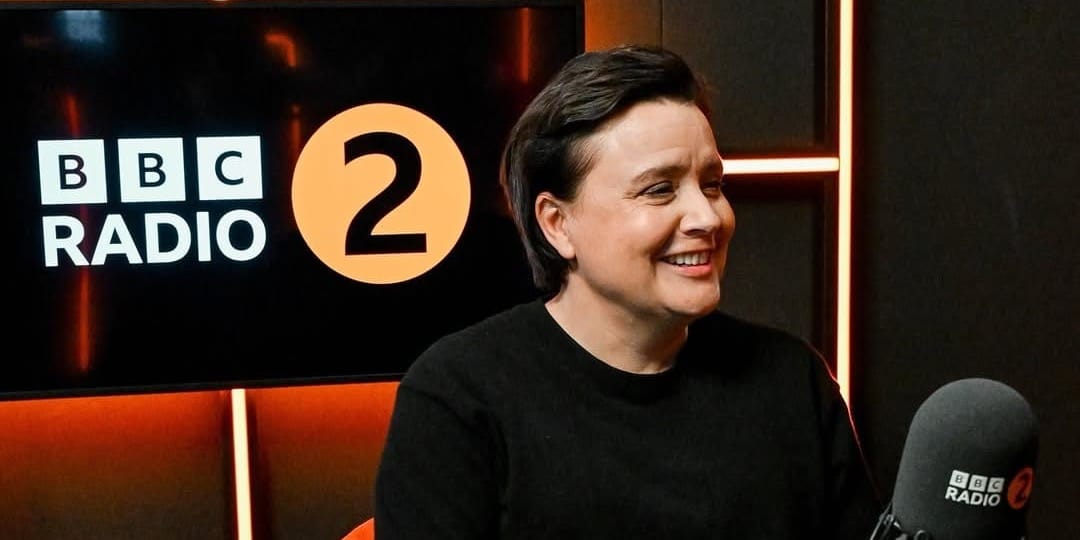
This week, Scottish comedian Susan Calman spoke openly about her experiences of growing up gay in Scotland with Vernon Kay on BBC Radio 2. The comedian and broadcaster appeared on Kay’s Tracks Of My Years, where she reflected on identity, belonging and the importance of LGBTQ+ spaces at key moments in her life.
During the programme, Calman became emotional while discussing gay clubs in Glasgow, describing them as places of safety and self‑discovery at a time when being openly lesbian felt far less visible or accepted. Recalling nights out in the city, she highlighted how those spaces offered community and affirmation, particularly in her younger years.
The conversation also touched on how long it took her to feel fully comfortable in her own skin. Calman told Kay that she “didn’t know who I was before 40”, a moment that prompted a visibly heartfelt response and resonated strongly with listeners. The remarks echoed her wider reflections on coming to terms with her sexuality and finding confidence later in life .
Calman has long been open about her sexuality and is widely regarded as one of the most visible lesbian voices in British broadcasting. She came out in the early 1990s and has frequently spoken about the challenges of growing up gay in Glasgow at a time when representation and safe spaces were limited, experiences she has revisited across radio, television and live performance.
Beyond her comedy career, Calman has used her public platform to champion LGBTQ+ equality and mental‑health awareness. In 2018, she was awarded an honorary doctorate by the University of Glasgow in recognition not only of her work in broadcasting and comedy, but also for highlighting issues around mental health and LGBTQ+ rights. The university cited her willingness to speak publicly about discrimination, identity and wellbeing as part of her contribution to public life.
Scene was founded in Brighton in 1993, at a time when news stories about Pride protests were considered radical.
Since then, Scene has remained proudly independent, building a platform for queer voices. Every subscription helps us to report on the stories that matter to LGBTQ+ people across the UK and beyond.
Your support funds our journalists and contributes to Pride Community Foundation’s grant-making and policy work.

Member discussion