

Historic gay rights poster donated to London Transport Museum
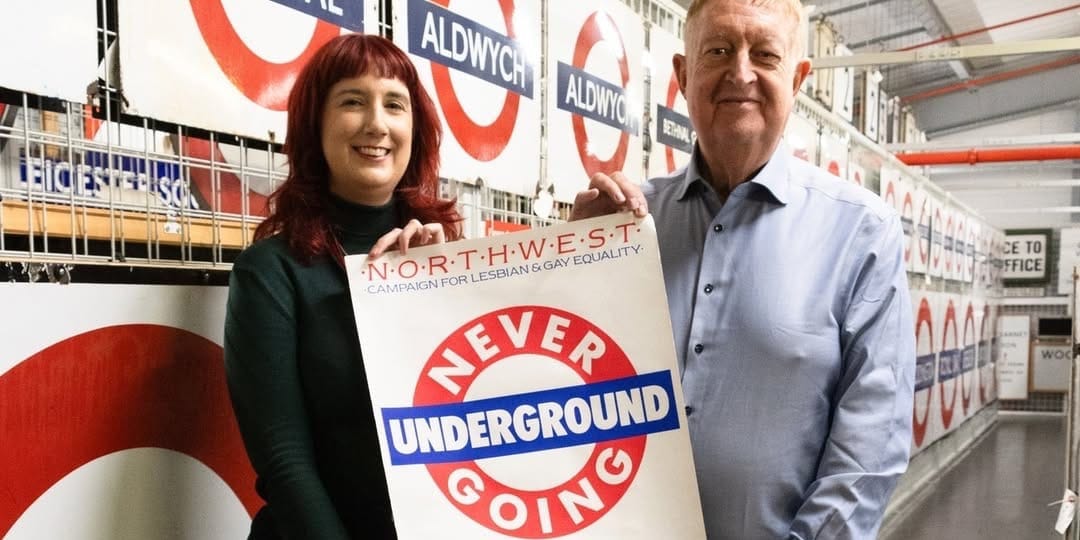
A campaigner who opposed legislation banning local authorities from “promoting” homosexuality has donated a rare gay rights poster to the London Transport Museum.
Ian Wilmott has presented the museum with what is believed to be one of the last remaining original Never Going Underground posters from 1988. The design reworked the iconic London Transport roundel and was created for the Manchester‑based campaign against Section 28.
The poster will form part of Pride, Passengers and Personnel, a research partnership between the University of Westminster and the museum that aims to uncover the experiences of LGBTQ+ passengers and transport workers during the 1970s and 1980s.
Wilmott said he hoped the donation would help future generations understand the “powerful and enduring connection” between London’s transport network and the grassroots movement that emerged in Manchester in response to Section 28.
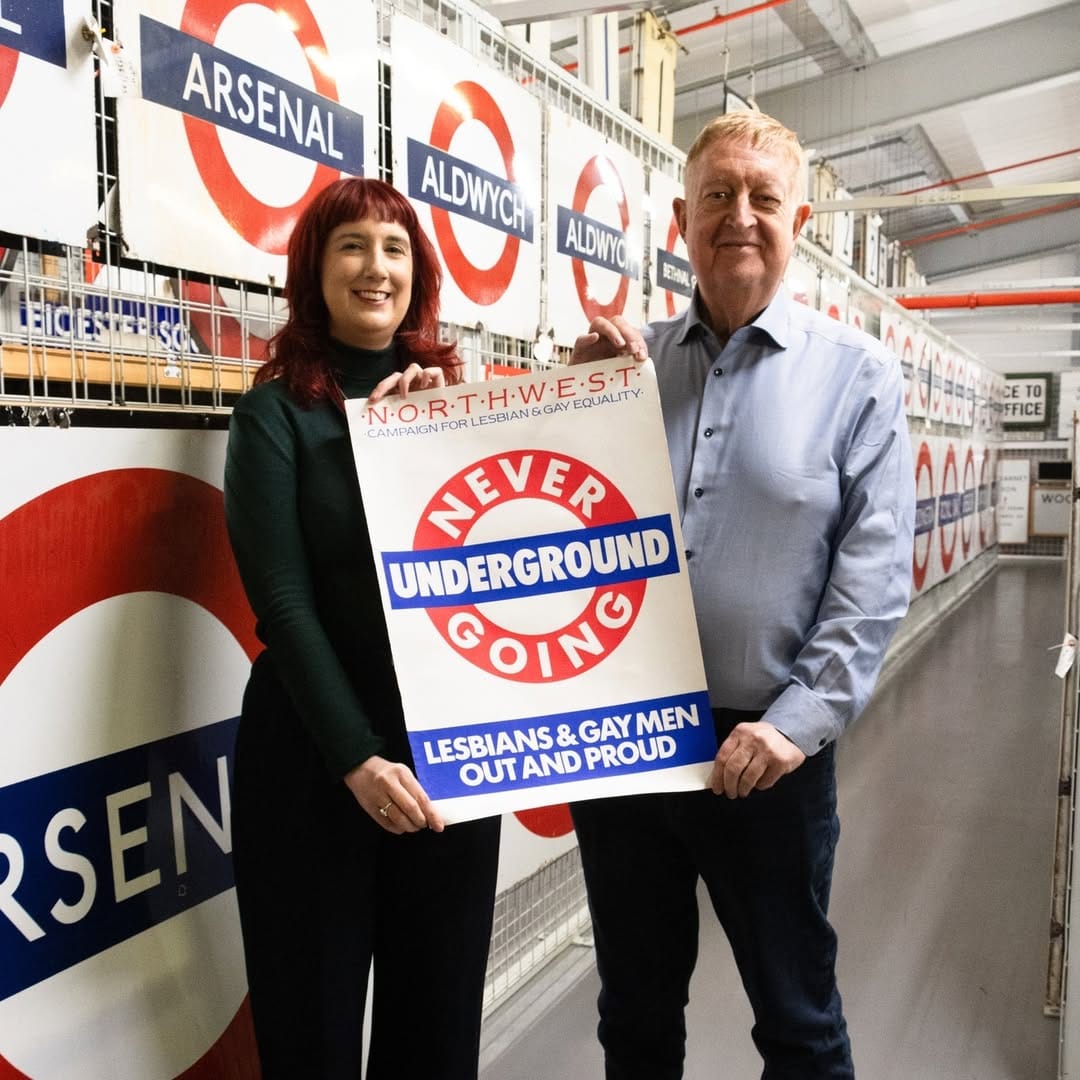
Section 28 of the Local Government Act came into force in May 1988 under the Conservative government led by Margaret Thatcher. The clause prohibited local authorities from “promoting homosexuality” and sparked widespread protests across the UK. The Never Going Underground campaign culminated in one of the largest LGBTQ+ demonstrations ever held in Britain, an event cited by activists as a key moment in the legislation’s eventual repeal.
Zoe Few, a doctoral researcher at Westminster, said the project sought contributions from anyone who travelled or worked on London’s transport network during the period. She said the work focused on a “significant” chapter in LGBTQ+ history and hoped it would help strengthen the museum’s collection.
Wilmott said he was “delighted” to be able to formally thank London Transport, whose roundel had been used - without permission - in the original poster campaign. “It is in mint condition and will be lovingly preserved within the museum’s poster archive,” he said.
Few added that her research would explore a range of lived experiences, including travel to LGBTQ+ venues, the use of transport spaces for cruising, and the impact of HIV and Aids on passengers and staff.
Dr Ellie Miles, from London Transport Museum, said the project brought “vital social context” to the institution’s existing collections.
Support independent LGBTQ+ journalism
Scene was founded in Brighton in 1993, at a time when news stories about Pride protests were considered radical. Since then, Scene has remained proudly independent, building a platform for queer voices. Every subscription helps us to report on the stories that matter to LGBTQ+ people across the UK and beyond.
Your support funds our journalists and contributes to Pride Community Foundation’s grant-making and policy work.
Subscribe today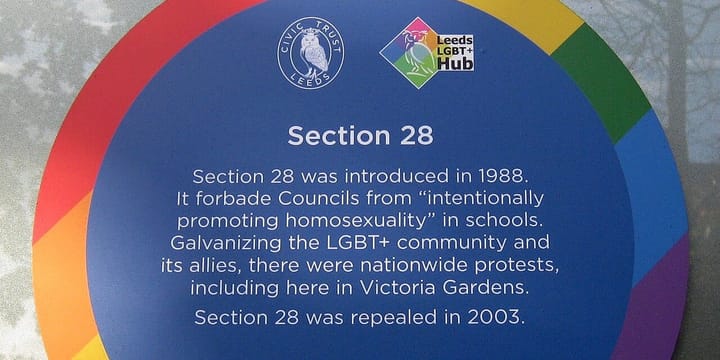

Comments ()