

Gender critical Scottish lesbian group criticises Olivia Colman for describing herself as ‘gay man’
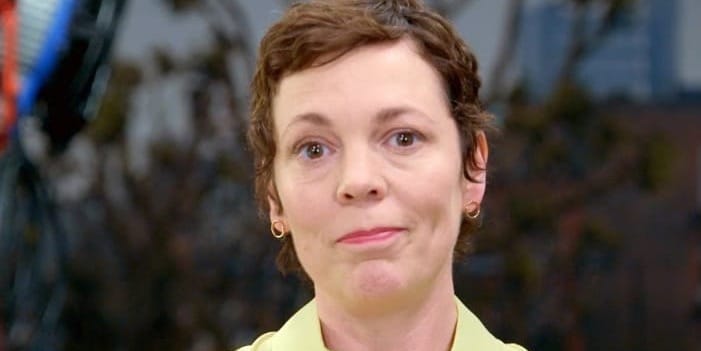
Olivia Colman has come under fire from a gender critical Scottish lesbian group after describing herself as a “gay man” while discussing her gender identity in recent interviews promoting her new film Jimpa. The actor, 52, said she has “always felt sort of non‑binary” and “never felt massively feminine”, adding that she often uses the phrase “gay man” to describe herself to her husband, writer Ed Sinclair.
The Fantastic Lesbians, a Scottish lesbian support group, which regularly shares gender critical posts to its followers on X, said Colman’s phrasing was “deeply painful” and diminished the lived experiences of gay and lesbian people. The group shared a two‑page response on social media on 18 February, stressing that their aim was not to “accuse or attack” Colman but to highlight the harm such statements can cause.
The Fantastic Lesbians have written to Olivia Coleman. pic.twitter.com/GDccEWcxhc
— Fantastic Lesbians (@ThefantasticsL) February 18, 2026
In their letter, the group argued that when someone who has lived “openly and comfortably as heterosexual” adopts language associated with marginalised identities, it risks trivialising the emotional, social and often traumatic journey that many LGBTQ+ people endure. They pointed to the confusion, fear and alienation that frequently accompany coming to terms with one’s orientation or gender identity - experiences that, they said, heterosexual individuals typically do not face.
Colman made her remarks while speaking about Jimpa, a drama exploring queer family dynamics, in which she plays the mother of a non‑binary child who travels to Amsterdam to visit the child’s gay grandfather. The actor reiterated in interviews with outlets including Them and Variety that she has long felt “sort of non‑binary”.
Support independent LGBTQ+ journalism
Scene was founded in Brighton in 1993, at a time when news stories about Pride protests were considered radical. Since then, Scene has remained proudly independent, building a platform for queer voices. Every subscription helps us to report on the stories that matter to LGBTQ+ people across the UK and beyond.
Your support funds our journalists and contributes to Pride Community Foundation’s grant-making and policy work.
Subscribe today
Comments ()