

Spain, Netherlands and Ireland pull out of Eurovision after Israel cleared to compete
Organisers of the Eurovision Song Contest are facing one of the biggest crises in the competition's history after the European Broadcasting Union (EBU) confirmed that Israel will be allowed to participate in next year’s competition, prompting immediate boycotts from several countries.
Following a tense two-day meeting in Geneva, the EBU opted against holding a vote on Israel’s inclusion, despite mounting pressure from member broadcasters. Instead, organisers introduced new voting rules aimed at curbing political interference, following allegations that Israel unfairly boosted its entry in 2025. Israeli singer Yuval Raphael finished second in Basel earlier this year after a surge in public votes, fuelling claims of manipulation.
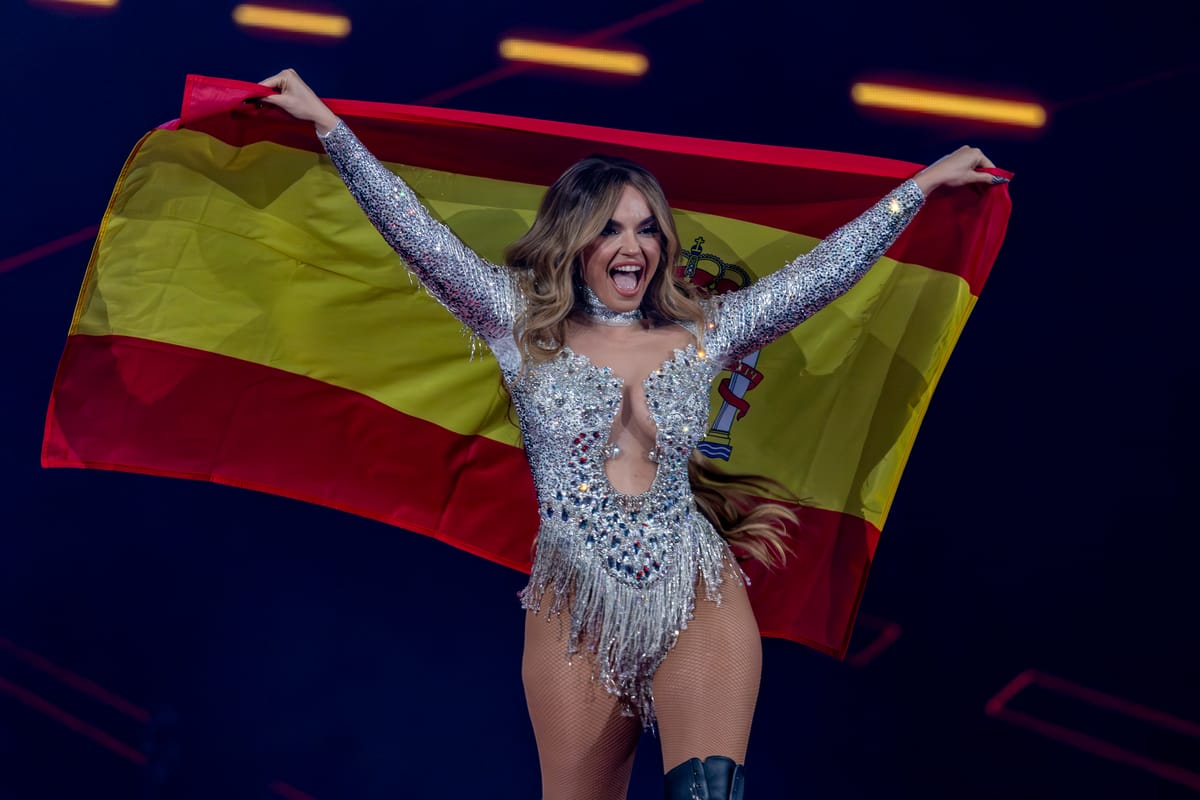
Spain and the Netherlands announced their withdrawal within hours of the decision, citing the humanitarian crisis in Gaza and concerns over press freedom. Ireland, which had previously signalled its intention to boycott, confirmed it will not take part, joining Spain and the Netherlands in what campaigners describe as an unprecedented protest. Slovenia and Iceland are expected to follow suit, while broadcasters in Belgium, Finland and Sweden have also hinted at possible action.
Spain’s national broadcaster RTVE accused Israel of “politically using the contest” and confirmed it will not air the semi-finals or the grand final in May. Dutch broadcaster AVROTROS said participation was “incompatible with the public values that are essential to us”. Ireland’s RTÉ echoed these concerns, stating that Eurovision “cannot ignore the humanitarian implications of this decision”.
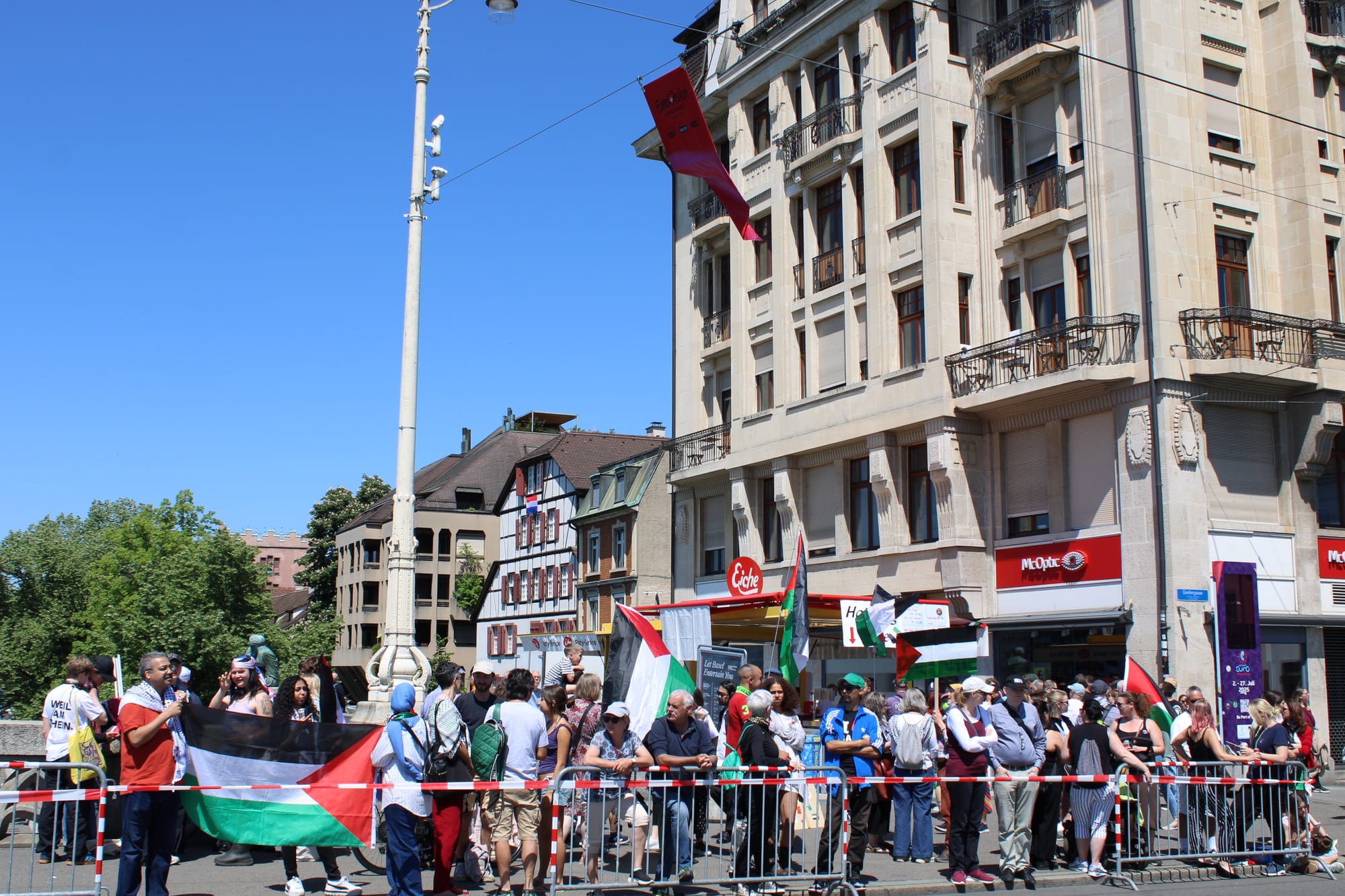
The controversy stems from Israel’s conduct during the war in Gaza, which has claimed more than 70,000 lives according to local health authorities. Critics argue that allowing Israel to compete undermines Eurovision’s ethos of unity and neutrality. Protests have dogged the contest for two consecutive years, and campaigners accuse Israel of leveraging Eurovision for political ends.
Austria, which will host the 2026 edition, has urged for “as many participants as possible” to attend, while Germany has warned it could withdraw if Israel is banned, underscoring deep divisions among Europe’s broadcasters. The BBC has yet to confirm the UK’s position.
Broadcasters have until mid-December to confirm participation.
Support independent LGBTQ+ journalism
Scene was founded in Brighton in 1993, at a time when news stories about Pride protests were considered radical. Since then, Scene has remained proudly independent, building a platform for queer voices. Every subscription helps us to report on the stories that matter to LGBTQ+ people across the UK and beyond.
Your support funds our journalists and contributes to Pride Community Foundation’s grant-making and policy work.
Subscribe today

Comments ()