

Equity report reveals drag artists affected by rising hate in London with drinks and stones thrown during performances
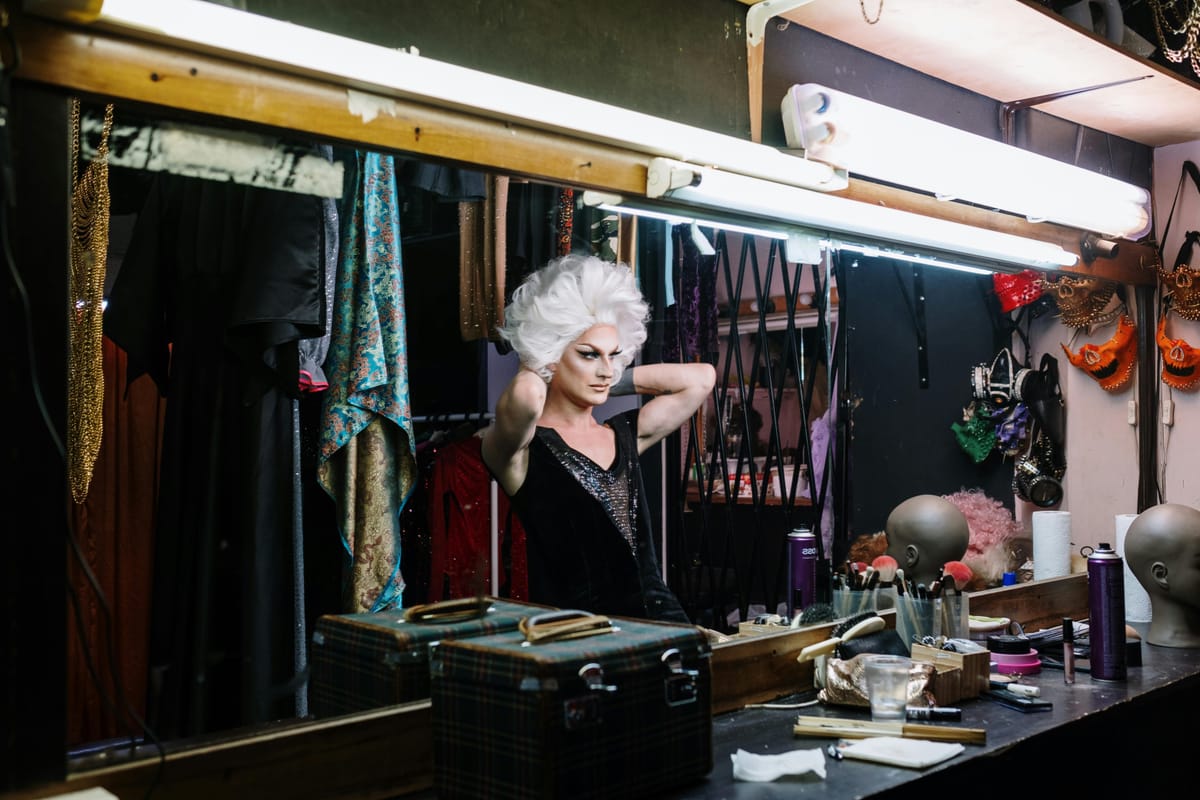
A new survey by the performers’ union Equity has uncovered a surge in discriminatory hostility within London’s nightlife sector, with 28% of respondents explicitly reporting an increase in transphobia, misogyny, homophobia, racism or far‑right sentiment in their working lives. The findings form part of a comprehensive look at the experiences of DJs, drag artists, comedians, cabaret performers and others who work across the capital’s nightlife scene, and they depict an environment increasingly marked by fear, instability and aggression.
What began as a wide‑ranging examination of low pay and precarious working conditions evolved into a stark portrayal of the social hostility performers now face. Many respondents described a noticeable rise in hateful behaviour from members of the public. This includes everything from verbal abuse to physical aggression, with certain performers highlighting experiences of intimidation linked to escalating far‑right sentiment and anti‑LGBTQ+ attitudes. Reports from the Evening Standard reinforce this trend, noting that performers have spoken of feeling “terrified” when travelling in full makeup, an anxiety closely connected to the uptick in discriminatory harassment.
Drag performers in particular have described incidents in which drinks or even stones were thrown at them during performances or while participating in community events such as drag story times. These accounts illustrate the extent to which once‑welcoming spaces can quickly become hostile, leaving performers vulnerable and unprotected. Many have reported that audience behaviour has worsened since the Covid‑19 pandemic, with shifts in social attitudes and alcohol‑fuelled volatility creating an atmosphere in which harassment is more openly expressed.
Concerns extend well beyond the venues themselves. Equity’s survey shows that 33% of nightlife workers feel less safe travelling to and from gigs than in previous years, while 29% feel less safe at work overall, underscoring a widespread sense of unease across the profession. Performers frequently cited experiences of violence, sexual harassment and general aggression, painting a picture of a sector struggling under the weight of both economic and interpersonal pressures.
These fears are amplified by a wider rise in crime across London’s transport network. A London Assembly report, referenced in related coverage from MSN, notes a 46% increase in crime on TfL services since the pandemic, intensifying anxiety for those who rely on late‑night travel as part of their working routine. Many performers say they feel especially vulnerable when travelling after dark, particularly when dressed for their acts, as their appearance can draw unwanted and sometimes dangerous attention.
In response to the findings, Equity has renewed its calls for more robust protections and greater representation for workers within the policymaking process. The union has criticised the composition of the Mayor of London’s Nightlife Taskforce, arguing that it is dominated by industry executives and fails to include enough voices from those directly affected by safety risks. Equity’s newly launched London Nightlife Network aims to unite performers in campaigning for systemic change, including improved safety measures, fair pay and stronger employment protections.
The survey also reveals the extent to which performers’ economic difficulties are intertwined with the safety crisis. Many nightlife workers earn far below the city’s median salary, despite contributing to a nightlife economy valued at £140 billion annually.
Support independent LGBTQ+ journalism
Scene was founded in Brighton in 1993, at a time when news stories about Pride protests were considered radical. Since then, Scene has remained proudly independent, building a platform for queer voices. Every subscription helps us to report on the stories that matter to LGBTQ+ people across the UK and beyond.
Your support funds our journalists and contributes to Pride Community Foundation’s grant-making and policy work.
Subscribe today
Comments ()