

Church of England formally abandons plans for standalone gay blessing ceremonies
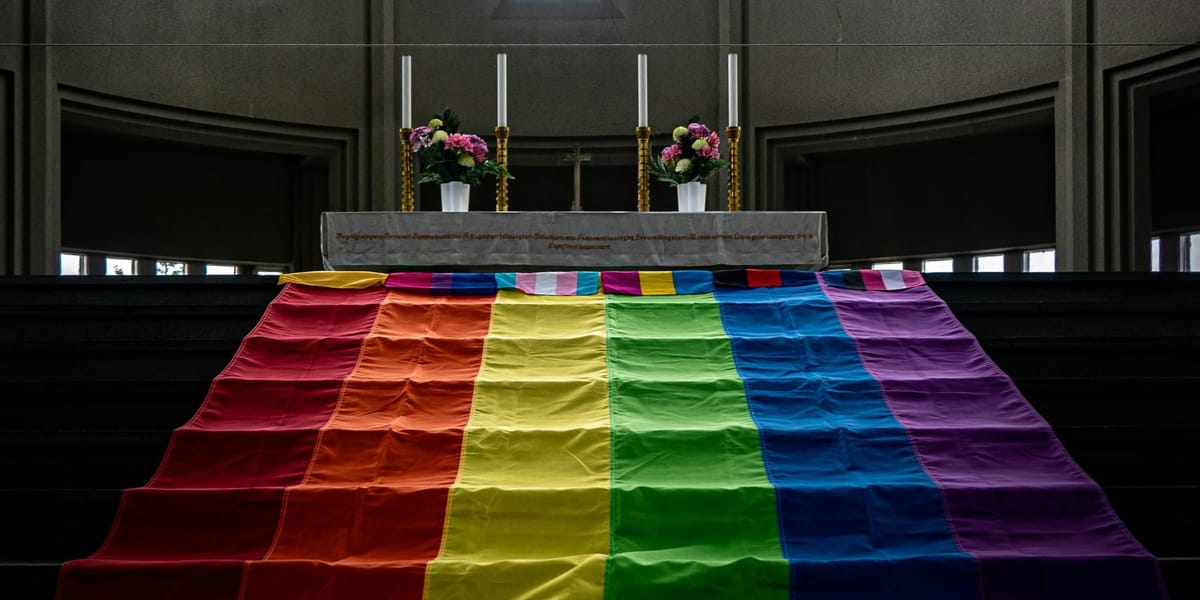
The Church of England has formally scrapped long‑debated proposals to introduce standalone blessing ceremonies for same‑sex couples, ending years of fraught internal discussions and reigniting frustration among LGBTQ+ members and allies. The decision was confirmed during a session of the General Synod on Thursday, where bishops said that theological and legal barriers meant dedicated services could not proceed at this time.
Although Synod voted to continue exploring the issue through a new working group, church leaders acknowledged the deep and ongoing divisions the debate has caused. Archbishop of York Stephen Cottrell told Synod that this outcome was “not where I want us to be,” offering an apology for the hurt experienced “on all sides” throughout the process.
The collapse of the initiative follows a years‑long period of consultation under the Church’s Living in Love and Faith (LLF) programme, launched in 2017 to consider sexuality, identity, relationships and marriage. Attempts to craft a workable set of standalone blessings have been ongoing since 2023, when the Church confirmed it would not permit same‑sex marriage but approved the use of prayers of blessing for same‑sex couples within regular services. That limited provision remains in place.
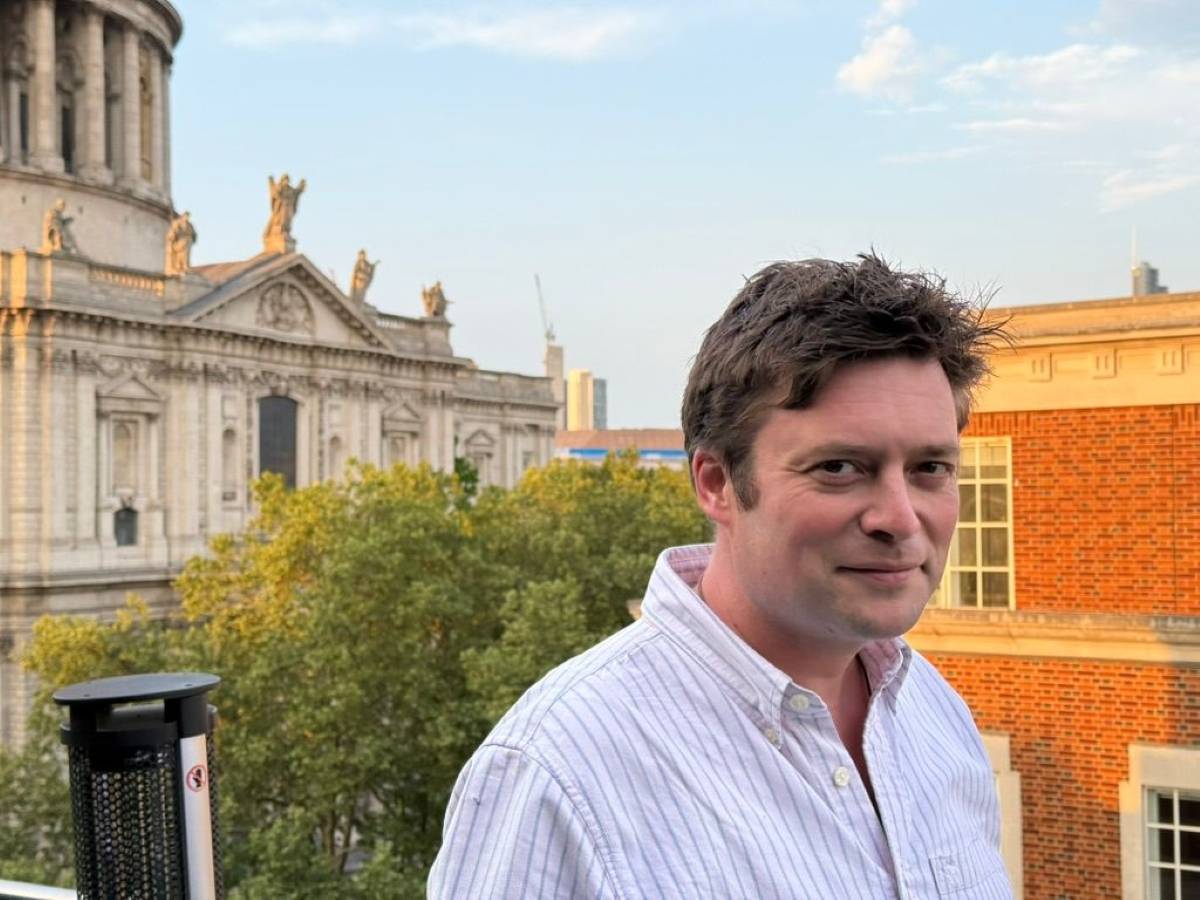
The process has been costly - estimated at £1.6 million - and emotionally draining for many involved. Gay priest the Rev Charlie Bączyk‑Bell condemned the drawn‑out effort as a “facetious charade,” telling Synod it was profoundly painful for LGBTQ+ Christians to see their lives repeatedly dissected as abstract theological problems. Through tears, he apologised to LGBTQ+ members “for what we continue to put you through” and for the Church’s inability to celebrate them fully.
The setback has sparked renewed warnings that LGBTQ+ members are leaving the Church, with campaigners describing the atmosphere as increasingly unwelcoming. Some gay Christians say they now feel pushed out “through the back door,” fading quietly from congregations after years of debate that have failed to deliver meaningful inclusion.
While many within the Church had hoped standalone blessing ceremonies would signal steady movement toward equality, senior bishops stressed that the latest decision reflects a lack of consensus and the need to avoid deepening division. A new working group will continue examining the issues of relationships, sexuality and gender, though there is no clear timetable for when - or whether - the matter may return to Synod for further action.
For now, the Church of England’s doctrine remains unchanged: same‑sex couples may receive prayers of blessing within ordinary services, but dedicated ceremonies and marriage rights remain off the table. The fallout from this decision is expected to shape upcoming Synod elections, with LGBTQ+ clergy and laity already expressing both disappointment and determination to push for fuller inclusion in the years ahead.
Comments ()