



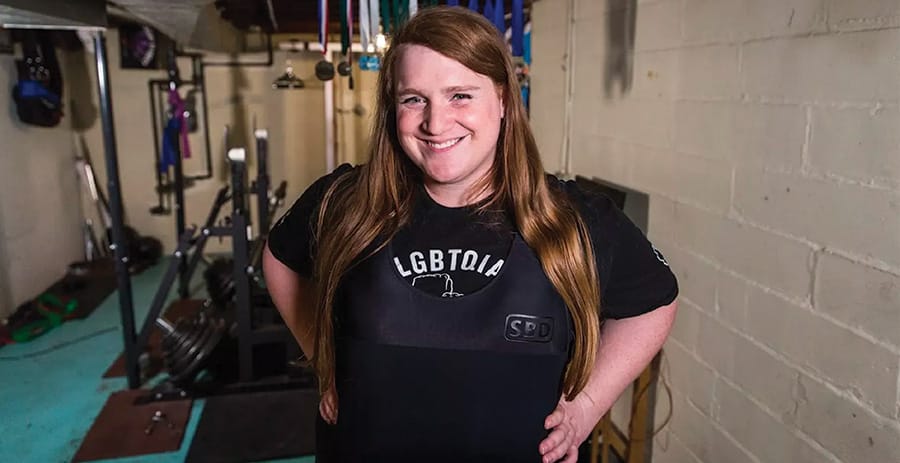
JayCee Cooper, a trans powerlifter from Minnesota, has reached a settlement with USA Powerlifting, ending a long‑running legal dispute over her exclusion from women’s competitions. The agreement follows a landmark ruling by the Minnesota Supreme Court, which found that the organisation had breached the state’s Human Rights Act by barring Cooper from taking part in female events.
The case stemmed from decisions made in 2018 and 2019, when Cooper was denied entry into women’s powerlifting competitions run by USA Powerlifting. At the time, the organisation did not have a formal written policy governing trans participation, but officials refused her entry and later introduced a blanket ban on trans women competing in the women’s division. Cooper subsequently brought a lawsuit, arguing that the exclusion amounted to unlawful discrimination under Minnesota law.
In October 2025, Minnesota’s Supreme Court ruled unanimously that USA Powerlifting’s actions constituted discrimination in public accommodations. The court held that excluding transgender women from the women’s category fell within the scope of the state’s Human Rights Act. While the court allowed the organisation to argue that its policy might serve a legitimate business purpose, it concluded that the exclusion itself could not be justified at that stage. The ruling sent parts of the case back to lower courts, paving the way for a financial settlement.
The settlement was confirmed on 28 April by Gender Justice, the legal group representing Cooper. Jess Braverman, the organisation’s legal director, described the outcome as significant for trans people in Minnesota, saying it reinforced their right to participate in sport and other areas of public life without discrimination. The precise terms of the agreement have not been made public, though multiple outlets have reported that it includes a financial remedy.
Scene was founded in Brighton in 1993, at a time when news stories about Pride protests were considered radical.
Since then, Scene has remained proudly independent, building a platform for queer voices. Every subscription helps us to report on the stories that matter to LGBTQ+ people across the UK and beyond.
Your support funds our journalists and contributes to Pride Community Foundation’s grant-making and policy work.
Member discussion