

Trans advocate Steph Richards blames 'transphobia' for backlash after endometriosis charity appointment
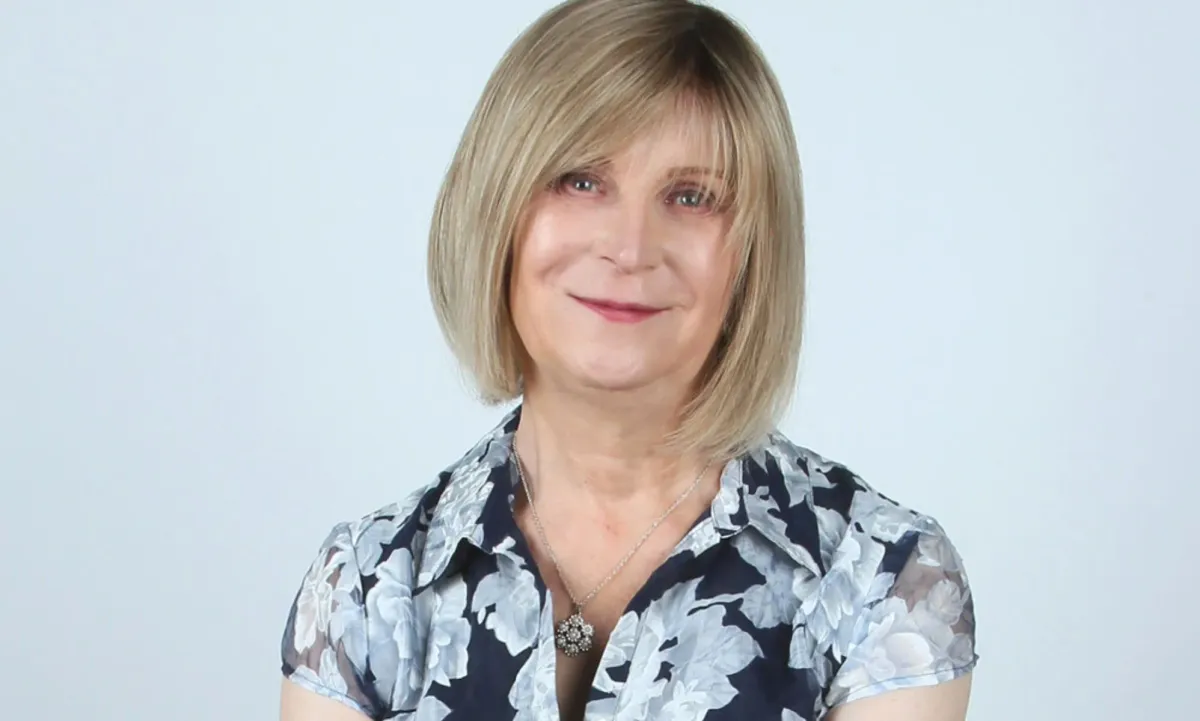
Steph Richards, a respected trans activist and charity lobbyist, has responded to a wave of gender‑critical backlash following her appointment as Parliamentary Engagement Officer at Endometriosis South Coast. Her appearance on Good Morning Britain on 1 April 2026 drew significant public attention, as Richards addressed critics who argued that her trans status should disqualify her from the role.
Richards’ appointment to the volunteer advocacy role prompted an immediate push from gender‑critical commentators, including some public figures, who claimed that only individuals with lived experience of endometriosis should represent the charity in political spaces. This narrative mirrors previous attempts to delegitimise trans professionals in women’s health advocacy, despite the fact that the charity sector regularly appoints leaders whose strength lies in policy expertise, not medical biography.
Steph Richards is a trans woman who works for the charity Endometriosis South Coast as their parliamentary engagement officer which is a voluntary role, but in the last week, she has seen a tsunami of hate directed her way.
— Good Morning Britain (@GMB) April 1, 2026
Some women online have called her appointment deeply… pic.twitter.com/zCCFhQq7J2
On GMB, co‑host Kate Garraway noted the “awful abuse” Richards had faced — much of it steeped in transphobic rhetoric. Richards responded with clarity and context, emphasising that men have long held leadership roles in women’s health organisations without their sex being framed as a barrier.
She pointed out that Endometriosis UK previously had a male CEO, Rob Music, who later went on to lead a cervical cancer organisation — positions that similarly did not require lived experience of the conditions to advocate effectively.
The charity itself has firmly defended the appointment. Endometriosis South Coast reiterated that endometriosis can affect trans men, non‑binary people, and intersex individuals - a point frequently erased in gender‑critical narratives that frame the disease exclusively through a cis‑female lens. They emphasised that Richards was chosen for her proven strengths in advocacy and public policy, not for personal medical experience.
This aligns with the charity’s explicit commitment to inclusivity and its long‑standing position that effective representation does not require biological experience of a condition - any more than a prostate cancer organisation must be led by someone with a prostate.
Richards noted that the scrutiny she faces is transparently ideological, not grounded in healthcare realities. She stated plainly that the backlash is “transphobic,” a sentiment she has expressed consistently in prior charity roles.
Support independent LGBTQ+ journalism
Scene was founded in Brighton in 1993, at a time when news stories about Pride protests were considered radical. Since then, Scene has remained proudly independent, building a platform for queer voices. Every subscription helps us to report on the stories that matter to LGBTQ+ people across the UK and beyond.
Your support funds our journalists and contributes to Pride Community Foundation’s grant-making and policy work.
Subscribe today

Comments ()