

Supreme Court ruling on Colorado’s conversion‑therapy ban sparks concern for LGBTQ+ youth
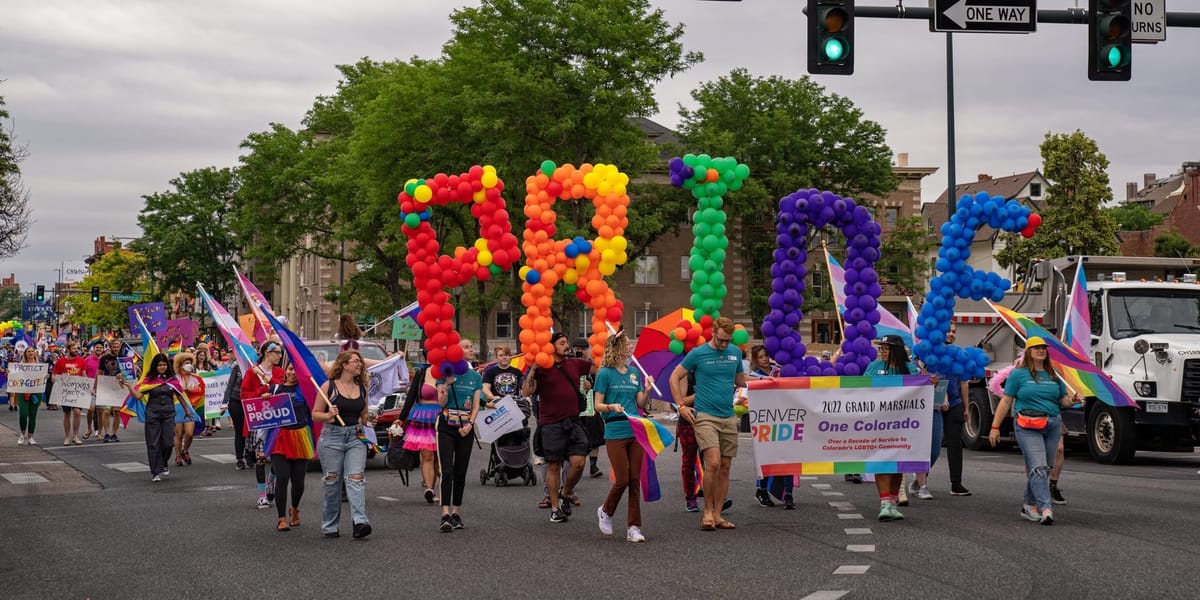
The US Supreme Court has dealt a significant blow to LGBTQ+ protections after ruling 8–1 against Colorado’s ban on so‑called “conversion therapy” for minors - a discredited practice widely condemned by medical and mental‑health experts for its documented harm to LGBTQ+ young people.
The decision, issued on 31 March 2026, concludes that the state’s 2019 law raises First Amendment concerns and must undergo the highest level of constitutional scrutiny. While the ruling does not immediately strike down the law, it sends the case back to a lower court and places long‑established protections for LGBTQ+ youth at risk not only in Colorado but across the United States.
For years, conversion therapy - efforts to “change” a young person’s sexual orientation or gender identity - has been denounced as harmful, ineffective, and psychologically damaging. Major medical bodies, including the American Psychological Association, have linked such practices to elevated risks of depression and suicidal ideation among LGBTQ+ youth. Colorado’s law was enacted to protect children from these dangers by prohibiting licensed therapists from attempting to “convert” minors.
Despite this, the Supreme Court majority argued that restricting talk‑based interventions constitutes a viewpoint‑based limitation on speech. Justice Neil Gorsuch wrote that the First Amendment “stands as a shield against any effort to enforce orthodoxy in thought or speech,” a position LGBTQ+ advocates fear elevates abstract constitutional principle above the safety and wellbeing of vulnerable young people.
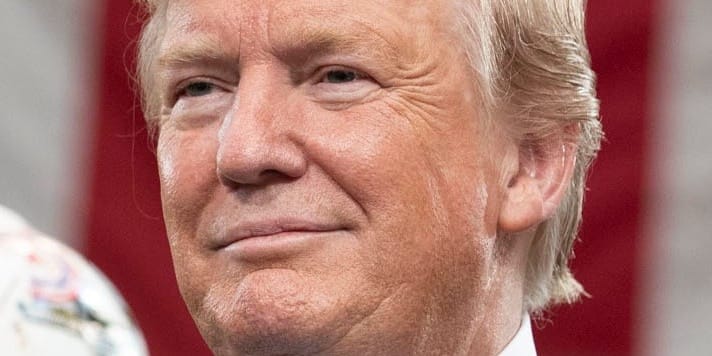
The case was brought by Kaley Chiles, a Christian counsellor who wished to offer “faith‑based” talk therapy to minors who wanted to suppress same‑sex attraction or “align” with their assigned sex. Chiles, supported by the Trump administration, insisted her methods differ from conversion‑therapy practices historically associated with abuse, such as electric‑shock conditioning.
Colorado countered that its law does not censor religious discussion, nor prevent therapists from speaking broadly about gender identity. Instead, it bars using therapy to push LGBTQ+ children towards heterosexual or cisgender identities - an intervention scientifically linked to trauma and shown to undermine mental health.
Roughly two dozen states currently ban conversion therapy for minors, forming a patchwork of protections built over the past decade to safeguard LGBTQ+ children. The Supreme Court’s decision could now place many of these laws in jeopardy.
Support independent LGBTQ+ journalism
Scene was founded in Brighton in 1993, at a time when news stories about Pride protests were considered radical. Since then, Scene has remained proudly independent, building a platform for queer voices. Every subscription helps us to report on the stories that matter to LGBTQ+ people across the UK and beyond.
Your support funds our journalists and contributes to Pride Community Foundation’s grant-making and policy work.
Subscribe today
Comments ()