

Stonewall warns of deepening division after IOC bans trans women from Olympic Games
LGBTQ+ rights charity Stonewall has warned that the International Olympic Committee’s (IOC) decision to ban trans women from competing in female categories at the Olympic Games risks fuelling further division and sending a damaging message to trans people at every level of sport.
A spokesperson for Stonewall said the ruling threatens one of sport’s most fundamental strengths: “Sport has a unique power to bring people together, and the Olympics is always the epitome of this. Today’s decision will be one that stokes further division in our increasingly polarised world.”
The organisation acknowledged that fairness and safety are vital considerations in elite competition, but cautioned that the consequences will extend far beyond the Olympic stage: “Considerations of safety and fairness should always sit at the heart of sporting competition; but there will undoubtedly be an unintended ripple effect across community and grassroots sports, where many trans people, young and old, will hear the message they are unwelcome and that sport is not a place for them.”
Stonewall also highlighted its Rainbow Laces campaign, which promotes LGBTQ+ inclusion in sport, emphasising that this work now feels more urgent than ever: “Our Rainbow Laces campaign is focused on helping ensure that all LGBTQ+ people feel they do belong and that they can move with pride.”
The IOC’s newly announced policy - set to come into force for the 2028 Games in Los Angeles - limits eligibility for women’s events to “biological females”, verified through a one‑time SRY gene test. The committee states that the policy aims to protect fairness, safety and competitive integrity in women’s sport.
The decision reverses the previous approach, which allowed individual sporting federations to determine their own inclusion rules. The IOC maintains that even marginal physical advantages can be decisive in elite competition.
While the policy will not apply retrospectively and does not extend to grassroots or recreational sport, many advocacy groups - Stonewall among them - fear that the symbolic impact will shape public attitudes and influence local sporting environments.
Athletes affected by the policy, including those with differences in sex development such as Caster Semenya, have expressed disappointment, arguing that the decision oversimplifies complex biological realities.
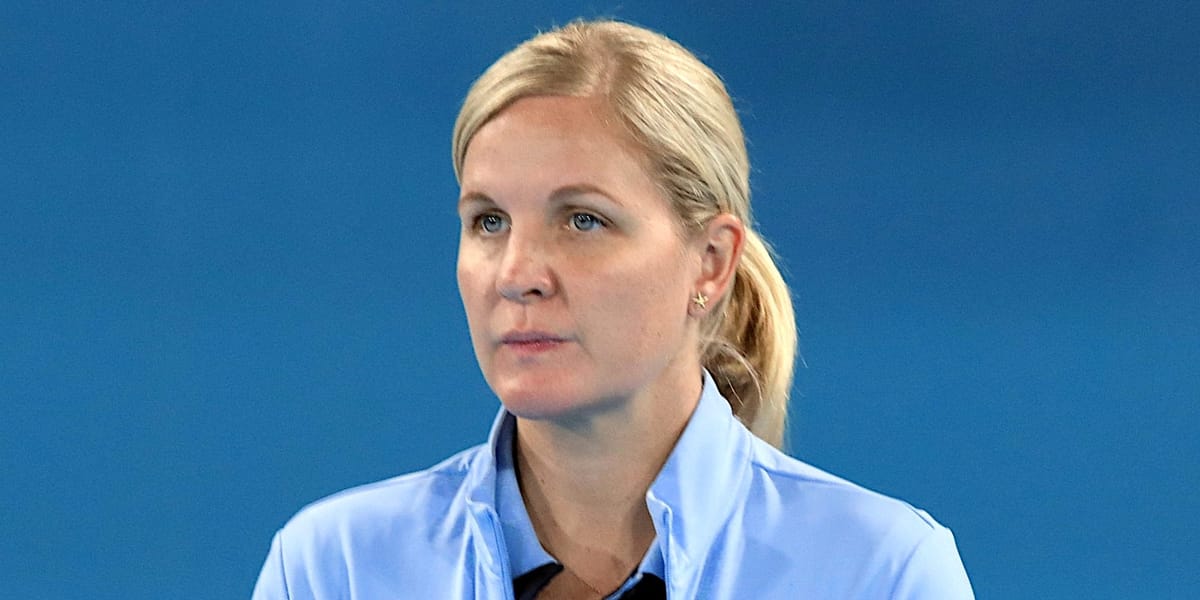
IOC President Kirsty Coventry, the first woman to lead the organisation in its 132-year history, framed the policy as protecting the integrity of women's sport, acknowledging it was "very sensitive."
Support independent LGBTQ+ journalism
Scene was founded in Brighton in 1993, at a time when news stories about Pride protests were considered radical. Since then, Scene has remained proudly independent, building a platform for queer voices. Every subscription helps us to report on the stories that matter to LGBTQ+ people across the UK and beyond.
Your support funds our journalists and contributes to Pride Community Foundation’s grant-making and policy work.
Subscribe today

Comments ()