

Stonewall Inn: A historic struggle reignited in 2026
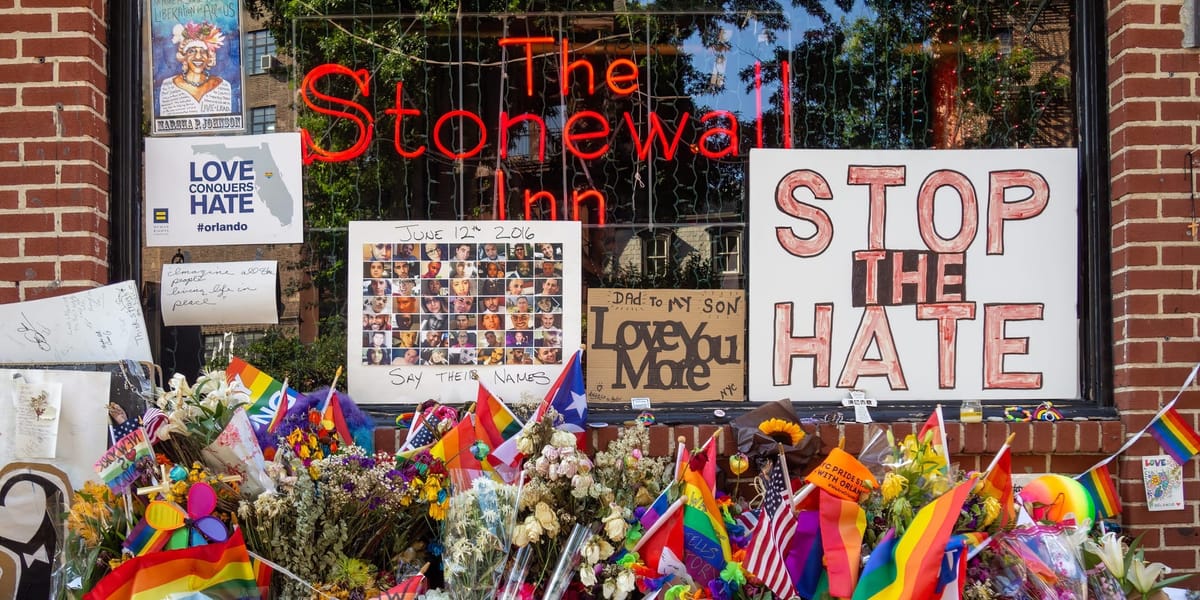
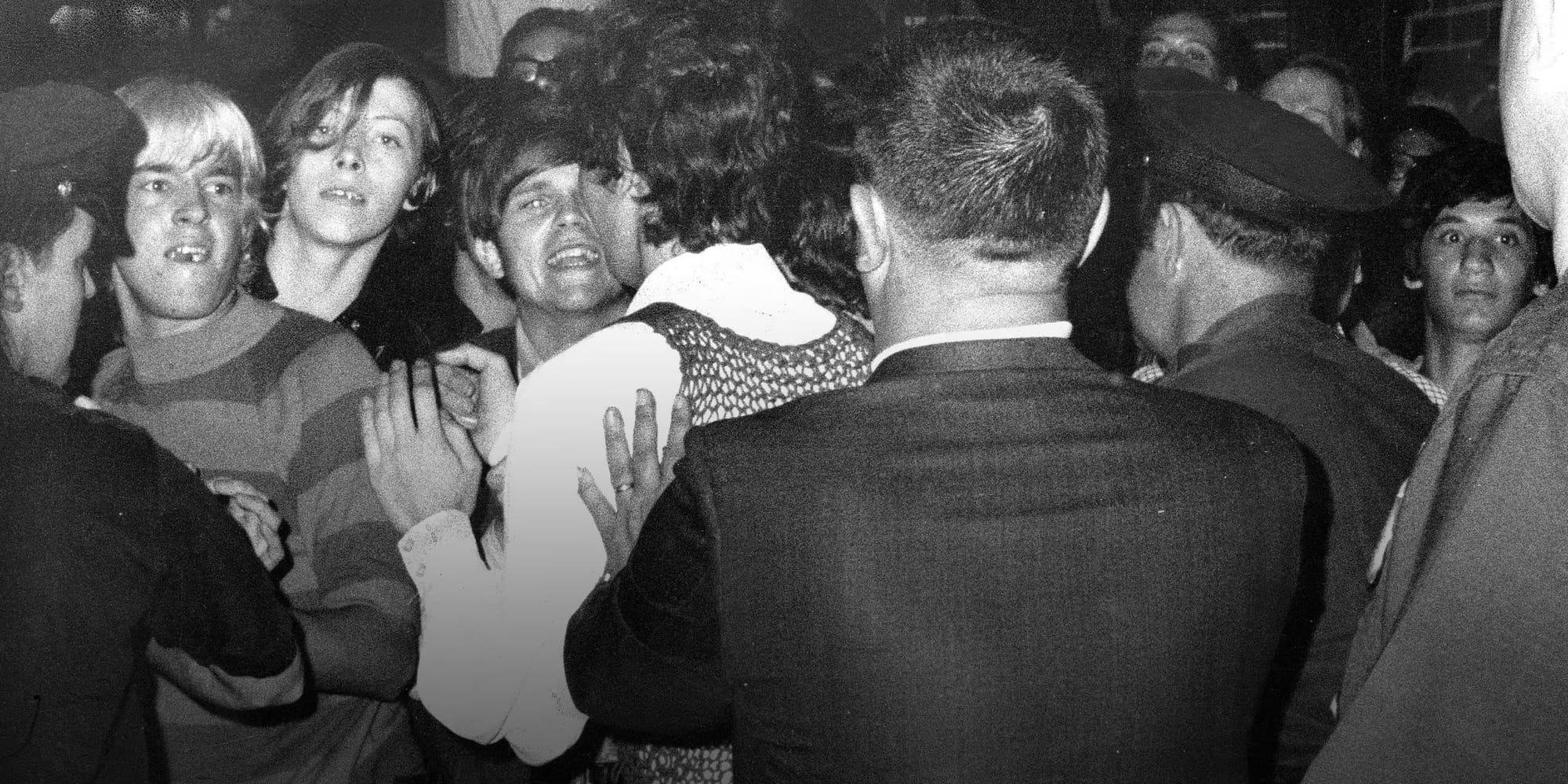
The Stonewall Inn stands as one of the most significant sites in LGBTQ+ history, its legacy forged in the early hours of 28 June 1969, when a police raid ignited what became known as the Stonewall riots. Patrons of the Greenwich Village bar - many of them queer people who had long endured harassment, brutality and legal persecution - fought back in a spontaneous uprising that unfolded over several nights. Historians widely credit the rebellion with sparking the modern movement for LGBTQ+ rights in the United States and inspiring activism across the world.
The Stonewall Inn, originally a Mafia-run gay bar frequented by some of the most marginalised members of the queer community, had faced routine police raids for years. But the 1969 raid differed in both its violence and the community’s refusal to disperse. Crowds swelled around the bar as news spread, and bystanders joined patrons in resisting the authorities. The uprising marked a profound turning point - one that led to the formation of organisations such as the Gay Liberation Front and ignited a new era of visibility and political mobilisation.
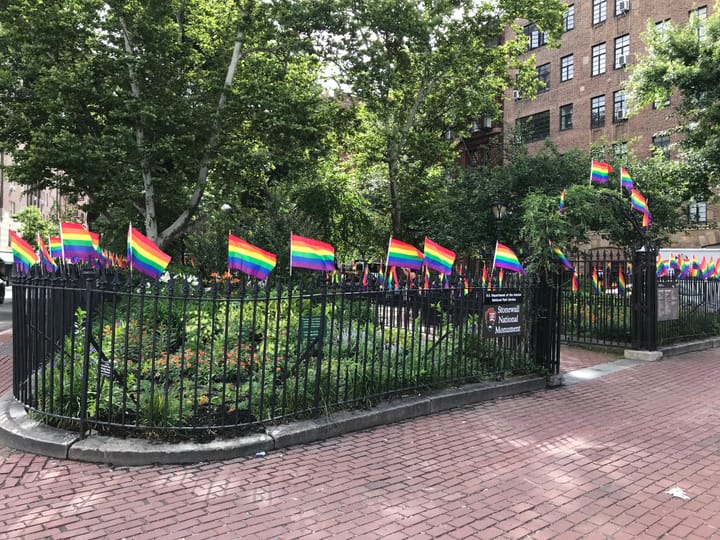
In the decades since, Stonewall has become an emblem of LGBTQ+ resistance, prompting the site’s designation as a National Historic Landmark, and in 2016, the creation of the Stonewall National Monument, the first US national monument dedicated to LGBTQ+ history.
This long legacy of defiance was thrust back into the international spotlight in February 2026, when President Donald Trump’s administration ordered the removal of the rainbow Pride flag from the Stonewall National Monument. The National Park Service (NPS) quietly took down the flag - first permanently installed in 2021 as the first Pride flag flown over federally funded land - citing federal guidance that restricts which flags can be flown on NPS-managed poles. Officials pointed to a memo allowing only the US flag, Department of the Interior flag and POW/MIA flag.
The decision immediately drew sharp condemnation from LGBTQ+ activists, historians and elected officials, who viewed the action as a symbolic and targeted effort to diminish queer visibility at a globally recognised civil rights landmark. Advocates such as Allen Roskoff and Steven Love Menendez argued that the administration’s explanation was a thinly veiled excuse for an ideologically driven move, questioning why a flag long sanctioned at the site was suddenly deemed inappropriate.
New York City leaders responded with defiance. On 12 February 2026, thousands gathered as local officials raised the Pride flag once again - this time on a temporary flagpole they brought to the site, tying it to the existing pole after the NPS installed an American flag in preparation for the demonstration. Activists chanted “We will not be erased,” signalling their refusal to allow federal intervention to overshadow the monument’s identity as a space of LGBTQ+ liberation.
The display of resistance echoed the ethos of the original uprising: a community confronting state power in defence of its dignity and visibility. As Manhattan Borough President Brad Hoylman-Sigal put it, “If you can’t fly a Pride flag steps from the Stonewall monument… where can you fly it?” His remarks followed a mass gathering in Christopher Park where politicians and marchers raised the flag while denouncing the administration’s move as petty, vindictive and historically tone-deaf
Support independent LGBTQ+ journalism
Scene was founded in Brighton in 1993, at a time when news stories about Pride protests were considered radical. Since then, Scene has remained proudly independent, building a platform for queer voices. Every subscription helps us to report on the stories that matter to LGBTQ+ people across the UK and beyond.
Your support funds our journalists and contributes to Pride Community Foundation’s grant-making and policy work.
Subscribe today
Comments ()