

Silence of the Lambs creators confront film’s harmful legacy for trans viewers
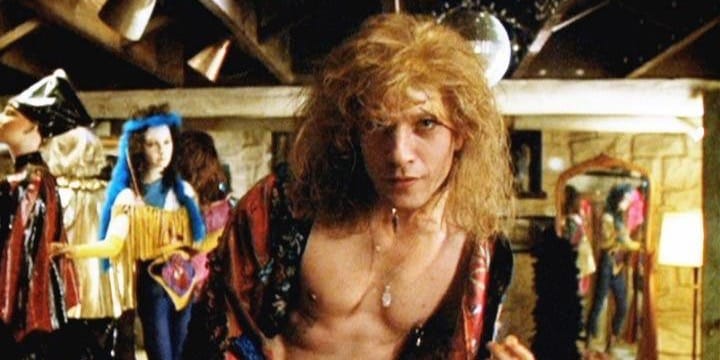
As The Silence of the Lambs marks its 35th anniversary, members of the film’s original creative team have spoken candidly about long-standing criticism from LGBTQ+ viewers, particularly concerning the portrayal of Buffalo Bill - a character widely interpreted over the years as embodying harmful stereotypes about trans people.
In new reflections published this week, actor Ted Levine, who portrayed Buffalo Bill, acknowledged that elements of the film have not aged well, expressing regret over aspects that have been viewed as transphobic. Levine stated that, with decades of hindsight and a deeper understanding of transgender experiences, the film’s depiction “vilified” identities it never intended to target. He emphasised that his performance was never meant to represent a gay or trans person, but rather “a messed-up heterosexual man,” noting that the script contained lines which, by today’s standards, would be considered deeply problematic.
Levine further explained that his evolving understanding came from working with trans colleagues and gaining greater awareness of gender identity, conceding that the portrayal may have inadvertently contributed to damaging stereotypes. “There are certain aspects of the movie that don’t hold up too well,” he said, describing it as “f***ing wrong” that the film entrenched negative associations.
We weren’t sensitive enough to the legacy of a lot of stereotypes and their ability to harm.
The film’s producer Edward Saxon, who worked alongside director Jonathan Demme, also expressed remorse. He admitted that, although the team remained faithful to Thomas Harris’s novel, they failed to fully consider how audiences - particularly LGBTQ+ viewers - would interpret Buffalo Bill’s gender presentation. Saxon acknowledged that the team lacked sensitivity to the legacy of harmful stereotypes and their potential impact, saying: “We weren’t sensitive enough to the legacy of a lot of stereotypes and their ability to harm.”
Both men noted that the original intention was not to depict Buffalo Bill as trans, but rather as a profoundly disturbed individual. However, they now recognise that the film contributed to a long-standing cinematic trend in which queer-coded or gender-nonconforming villains became shorthand for danger - a trope heavily criticised by LGBTQ+ advocates. Their comments echo concerns that have circulated for years within queer communities and film scholarship.
Support independent LGBTQ+ journalism
Scene was founded in Brighton in 1993, at a time when news stories about Pride protests were considered radical. Since then, Scene has remained proudly independent, building a platform for queer voices. Every subscription helps us to report on the stories that matter to LGBTQ+ people across the UK and beyond.
Your support funds our journalists and contributes to Pride Community Foundation’s grant-making and policy work.
Subscribe today

Comments ()