

Shia LaBeouf defends Mardi Gras arrest with odd claim that ‘gay people are scary to me’
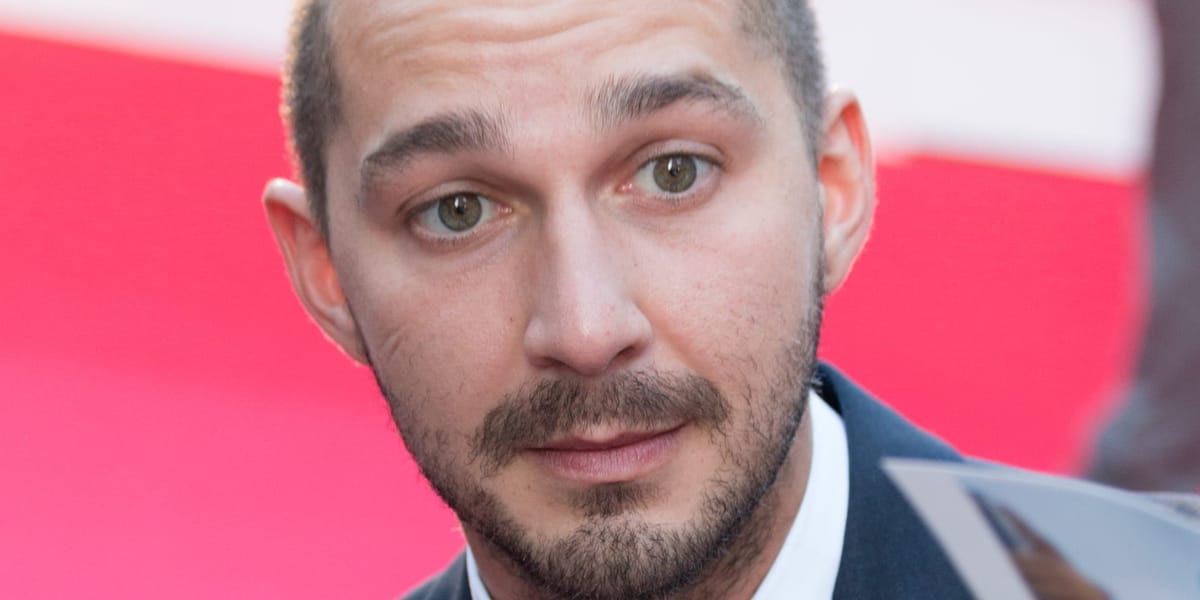
Shia LaBeouf has sparked widespread criticism after claiming that “gay people are scary to me” while attempting to explain the behaviour that led to his recent arrests during Mardi Gras celebrations in New Orleans.
The 39‑year‑old actor was arrested twice in the city last week, facing multiple counts of simple battery after allegedly hitting two people during separate altercations. According to police, LaBeouf was initially detained outside a Royal Street business after reportedly assaulting two individuals during the festivities.
In a newly released interview with YouTuber Andrew Callaghan, LaBeouf insisted that his conduct stemmed from feeling intimidated by gay men who he said were “touching my leg” during the celebrations. “When I’m standing by myself and three gays are next to me touching my leg, I get scared,” he said. “I’m sorry. If that’s homophobic, then I’m that.” He went on to add, “Big gay people are scary to me,” suggesting that discomfort, rather than prejudice, fuelled the confrontation.
The interview, which aired on Saturday, shows LaBeouf repeatedly offering contradictory explanations - at one point dismissing his own comments as “nonsense” brought on by drunkenness. “I was drunk and it’s Mardi Gras,” he said. “So everything I’m saying is nonsense.”
Witness statements cited in police paperwork, however, paint a more serious picture. One alleged victim, identified as Jeffrey “Damnit” Klein, told authorities that LaBeouf shouted a homophobic slur at him before becoming physically aggressive. Klein, who was dressed in drag for Mardi Gras, also shared mobile footage appearing to show the actor repeating the slur while in the back of an emergency vehicle. Another man, Nathan Thomas Reed, said he too was subjected to repeated use of the same slur.
LaBeouf’s outburst prompted a forceful response from the court. District Judge Simone Levine ordered him to attend a rehabilitation facility, undergo regular drug and alcohol testing, and avoid contact with the alleged victims and the bar where the altercation occurred. The judge also expressed concern that LaBeouf posed a danger to the marginalised LGBTQ+ community in New Orleans.
The actor rejected the judge’s assessment, claiming he does not have a drinking problem but instead struggles with what he described as a “small man complex,” suggesting the clashes stemmed from insecurity rather than substance abuse.
LaBeouf is no stranger to controversy. His past includes a 2017 arrest in which he directed racist remarks at police officers, and a high‑profile lawsuit by ex‑partner FKA Twigs alleging sexual battery and knowingly transmitting a sexually transmitted infection - a case that was settled out of court last year.
Following the latest Mardi Gras incidents, he posted a $100,000 bond and now faces additional warrants linked to further alleged victims from the same night. Witnesses reported that the actor became increasingly aggressive after being escorted from a business, allegedly striking one man multiple times before returning later and punching another in the nose.
LaBeouf continues to deny harbouring any ill intent, saying during the interview: “I don’t want to hurt nobody’s feelings… I’m wrong for what I did.” However, his attempts to frame the altercation as a response to fear - rather than homophobia - have only inflamed the backlash.
LGBTQ+ advocates and commentators have expressed alarm at both his remarks and the seriousness of the allegations, with one witness telling the court that LaBeouf’s behaviour “wasn’t just a bar fight. This was about hate.”
Support independent LGBTQ+ journalism
Scene was founded in Brighton in 1993, at a time when news stories about Pride protests were considered radical. Since then, Scene has remained proudly independent, building a platform for queer voices. Every subscription helps us to report on the stories that matter to LGBTQ+ people across the UK and beyond.
Your support funds our journalists and contributes to Pride Community Foundation’s grant-making and policy work.
Subscribe today
Comments ()