

Scotland ‘could be first country in world to end HIV transmission’ by 2030, say charities
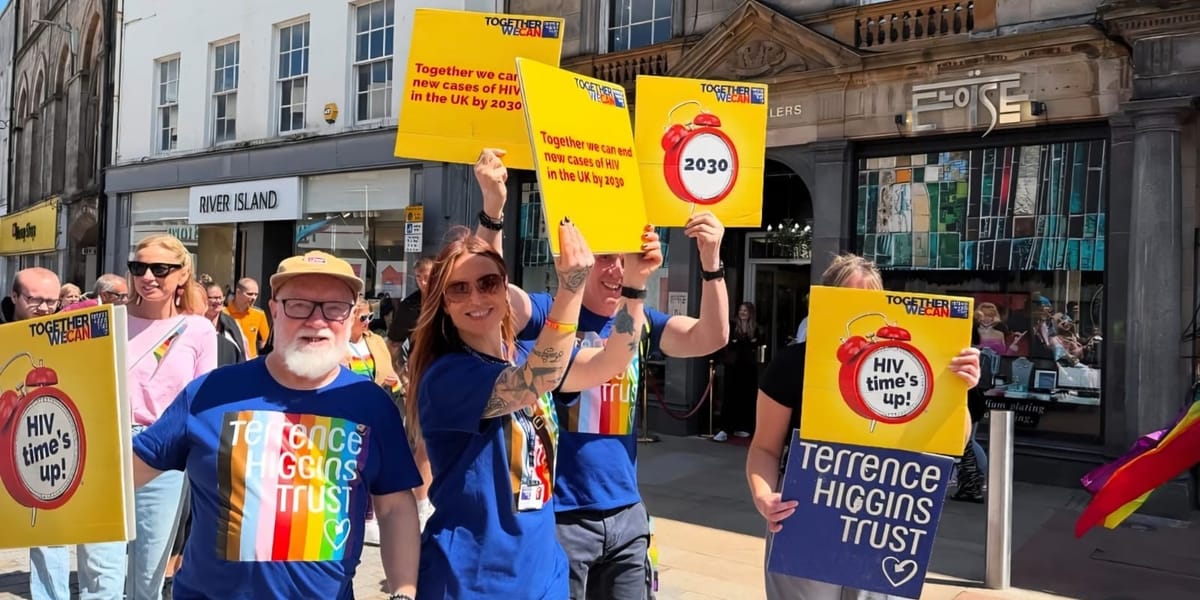
Scotland is on track to become the first country in the world to eliminate new HIV transmissions, leading charities have said — but warned that urgent action from the next Scottish Government is essential to meet the 2030 target.
The Scottish Government committed in 2020 to ending new HIV cases within the decade, a milestone that would mark the first time any virus had been stopped without a vaccine or cure. Despite this ambition, charities estimate that around 400 people in Scotland are living with undiagnosed HIV, while up to 1,400 people who have been diagnosed are no longer accessing life‑saving treatment.
Terrence Higgins Trust, Waverley Care and National AIDS Trust have now published a joint manifesto setting out the steps needed to deliver the 2030 goal. They are calling on all political parties to back the plan ahead of May’s election.
Medical advances mean that people living with HIV who are on effective treatment can expect long, healthy lives and cannot pass the virus on. Combined with the availability of the HIV prevention drug PrEP and rapid testing, campaigners say Scotland already has all the tools required - but access must be improved.
The charities are urging the next government to introduce a national online HIV prevention service offering home test kits and PrEP; establish a National HIV Testing Week; and launch a programme to re-engage people who have fallen out of HIV care.
Richard Angell OBE, Chief Executive of Terrence Higgins Trust, said: “The next intake of MSPs could be the generation that ends the HIV epidemic in Scotland. Scotland has an incredible history of leading the world in medical innovations - to be the first country in the world to end this epidemic, and to do so without a vaccine or cure, could be the next incredible chapter in that story. Swift action by the next government will be needed to make it a reality.”

Grant Sugden, Chief Executive at Waverley Care, said: “Scotland has made significant progress towards ending new HIV transmissions. But to stay on course, we must go further and faster. Where improvements are shown to be effective, they must be rolled out and properly funded across the country.
"We must also take further action to ensure that everyone living with HIV in Scotland today can live well. The third sector has a vital role to play and must be recognised and resourced as a key delivery partner. The next Scottish Government has the opportunity to turn this vision into reality - but it must act with urgency.”

Daniel Fluskey, Director of Policy at National AIDS Trust, added: “We have all the tools to make the goal of ending new HIV transmissions in Scotland a reality. Treatment means people living with HIV cannot pass the virus on, and continual advancements in prevention mean Scotland could be the first country to achieve the 2030 goal.
"This would be an amazing achievement, but it requires the next Scottish Government to make this a priority. Medicine alone isn’t enough - we need action to support people to live well with HIV and to tackle HIV-related stigma.”
Support independent LGBTQ+ journalism
Scene was founded in Brighton in 1993, at a time when news stories about Pride protests were considered radical. Since then, Scene has remained proudly independent, building a platform for queer voices. Every subscription helps us to report on the stories that matter to LGBTQ+ people across the UK and beyond.
Your support funds our journalists and contributes to Pride Community Foundation’s grant-making and policy work.
Subscribe today

Comments ()