

Russian ballet banned for ‘gay propaganda’ finds new stage in Berlin
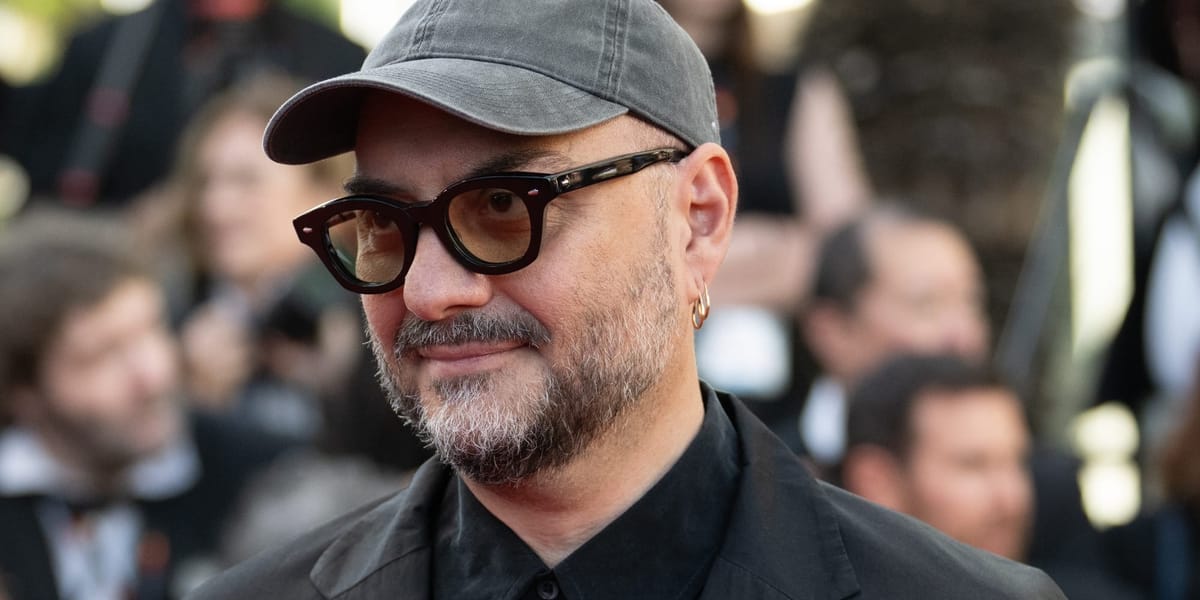
A ballet once prohibited in Russia under the country’s expanded anti‑LGBTQ legislation is set to make its long‑awaited international revival in Berlin this week. Nureyev, directed by exiled Russian filmmaker and theatre innovator Kirill Serebrennikov, will be performed at the Berlin State Ballet on 21 March - its first staging outside Russia.
The production, which premiered in Moscow in 2017, was banned in 2023 after Russian authorities deemed its portrayal of same‑sex relationships to be “gay propaganda” under tightened censorship laws. Serebrennikov left Russia in 2022 and has since lived in Germany, continuing his work despite longstanding political pressure and previous house arrest.
At the centre of the ballet is the life of Rudolf Nureyev, widely celebrated as one of the greatest male dancers of the 20th century. The narrative charts his 1961 defection to the West, his meteoric international career, and his personal relationships - elements that became the subjects of official scrutiny in Russia. The piece also restores staging elements that were previously censored, including a full‑stage nude photograph of Nureyev by Richard Avedon, which had been removed for the Bolshoi premiere.
Brazilian dancer David Soares, formerly of the Bolshoi and now living in Germany after leaving Moscow in 2022, will take the title role. He described the revival as both “special” and a “responsibility”, reflecting the ballet’s artistic and political weight.
Christian Spuck, artistic director of the Berlin State Ballet, has insisted the production remain faithful to Serebrennikov’s original concept. The director has emphasised that the message intended for Russian audiences - one about freedom, integrity, and resistance to repression - remains just as relevant in the West.
The staging highlights Nureyev’s relationships with men and his immersion in the Parisian gay scene, featuring dancers in drag and high heels. Such depictions were central to the controversy in Russia, where cultural and political figures accused the ballet of violating bans on so‑called “non‑traditional values”.
Serebrennikov noted, Nureyev remains “a magnet for artists” and an enduring emblem of the fight against conformity and censorship.
Support independent LGBTQ+ journalism
Scene was founded in Brighton in 1993, at a time when news stories about Pride protests were considered radical. Since then, Scene has remained proudly independent, building a platform for queer voices. Every subscription helps us to report on the stories that matter to LGBTQ+ people across the UK and beyond.
Your support funds our journalists and contributes to Pride Community Foundation’s grant-making and policy work.
Subscribe today

Comments ()