

Reform UK's Scottish leader claims ‘fake outrage’ after making 'homophobic' George Michael joke
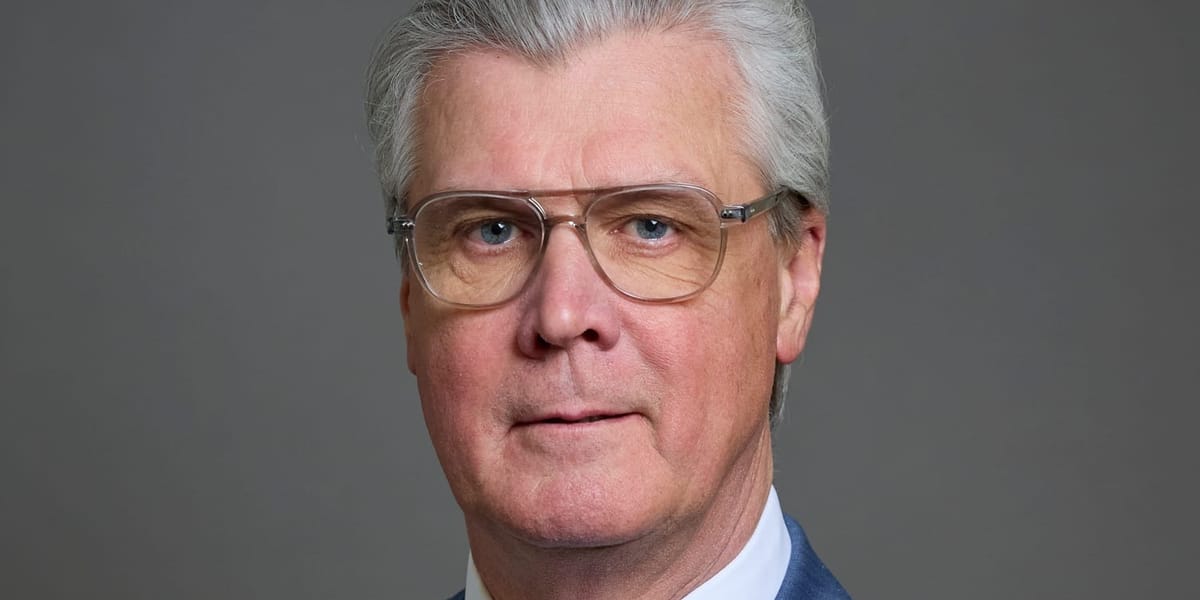
Reform UK’s Scottish leader, Malcolm Offord, is facing mounting criticism after defending what he described as “fake outrage” over a resurfaced joke about late pop star George Michael - a joke he has admitted was “probably” homophobic.
The remarks were made during a Burns Night speech at the London Scottish rugby club in 2018, where Offord was chair at the time. According to reporting in The Independent, the jest mocked George Michael’s grieving boyfriend, Fadi Fawaz, and was described by an attendee as “a crude, bad taste and insulting spectacle”. The witness added that the joke was so shocking they “had not forgotten it”. Although the precise wording has not been published by any outlet, all available accounts describe it as inappropriate and targeted at Michael’s partner shortly after the singer’s death.
Speaking this week, Offord said the backlash has been wildly disproportionate, claiming: “The fake outrage on this has been quite astonishing in the media.” He told BBC Radio Scotland he had received a “huge amount” of public support, with people telling him: “You told a bad joke and you apologised for it, Malcolm, what is the big deal?”
Offord acknowledged outright that the remark “probably was” homophobic, describing it as an error of judgement made when he was a private individual, before entering politics. He said he instantly regretted the joke, issued an apology at the time, and donated around £2,000 to the Kings Cross Steelers, the world’s first gay‑inclusive rugby union club, as an act of amends.
Opposition parties and LGBTQ+ campaigners, however, argue that the issue extends beyond the joke itself. First Minister John Swinney said the remarks “have no place in Scottish society”, while Labour’s Paul O’Kane said the episode exposed Reform UK “as the nasty party that they are”.
Offord maintains that he has taken responsibility, saying: “We have all said things we regret and the important thing is what you do about it. What I did about it was apologise and make amends.”
Support independent LGBTQ+ journalism
Scene was founded in Brighton in 1993, at a time when news stories about Pride protests were considered radical. Since then, Scene has remained proudly independent, building a platform for queer voices. Every subscription helps us to report on the stories that matter to LGBTQ+ people across the UK and beyond.
Your support funds our journalists and contributes to Pride Community Foundation’s grant-making and policy work.
Subscribe today
Comments ()