

Rebels, Rockers, and Revolutionary Love: The Leather Boys ride again
This slim volume absolutely flies by, utterly compulsive despite—or perhaps because of—its unflinching approach. It's essential reading for understanding how far we've travelled and what it cost those who came before.
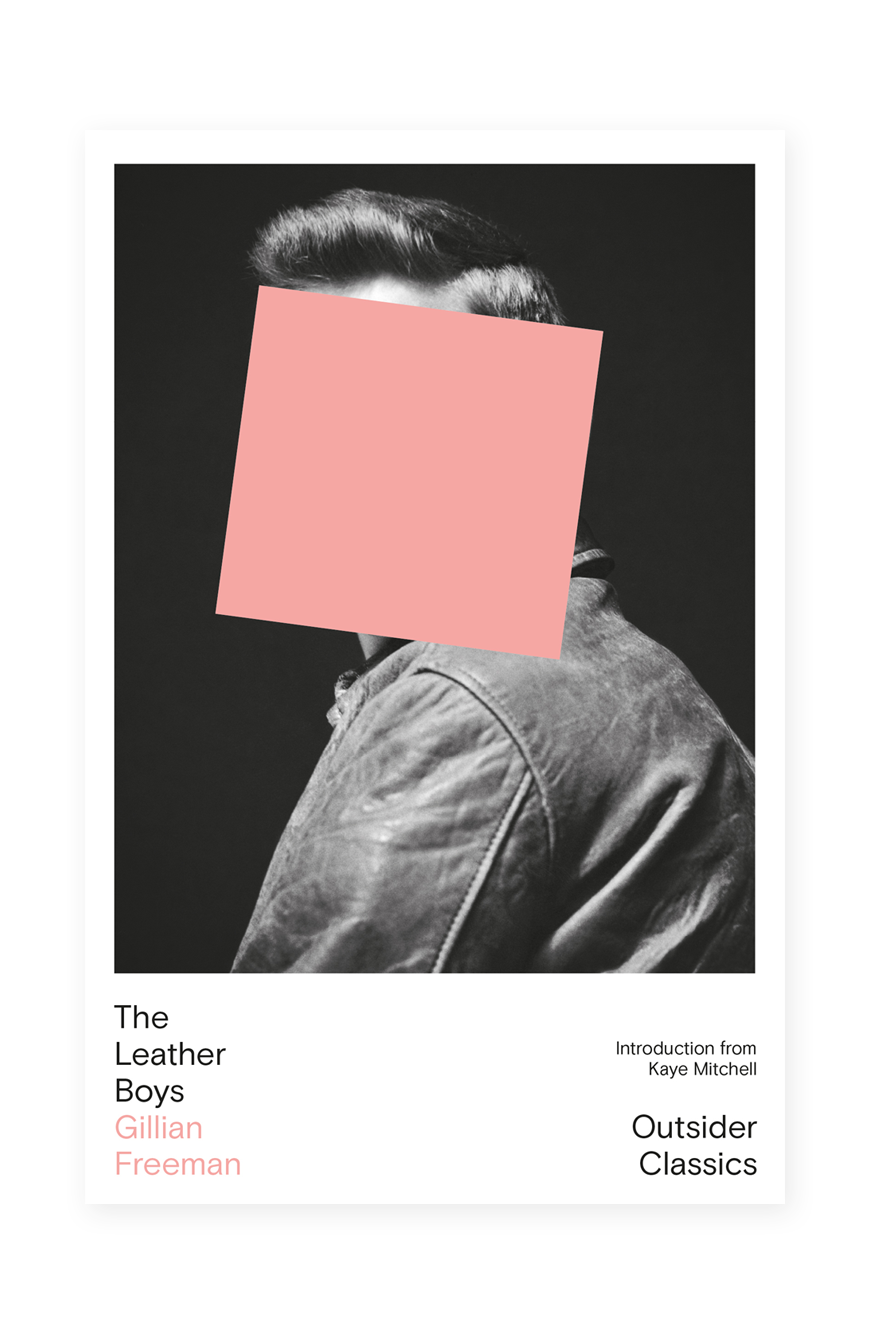
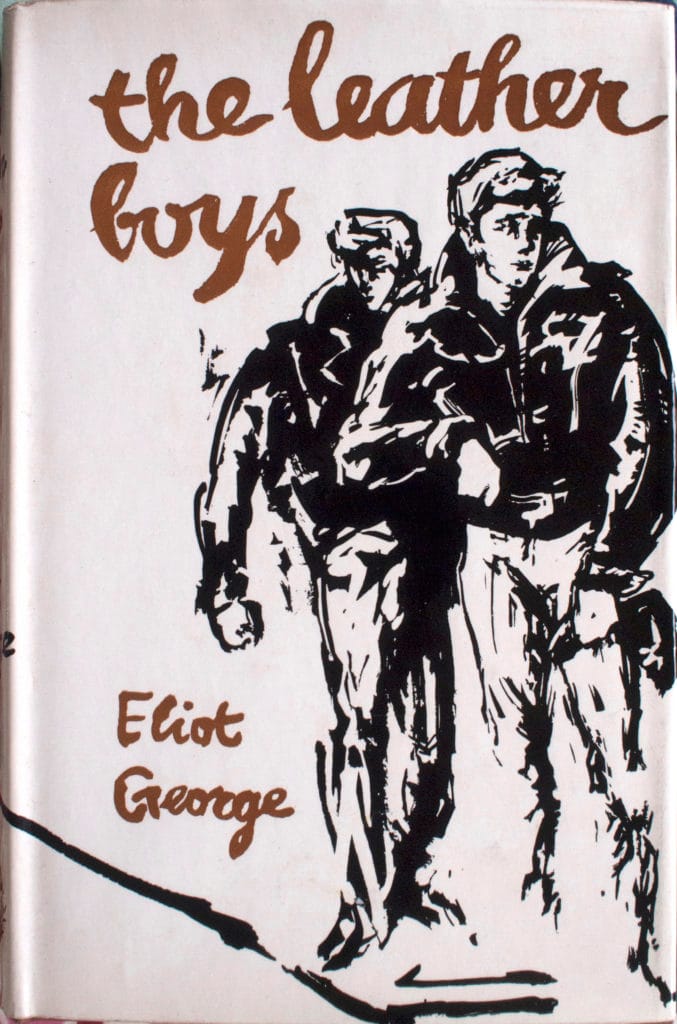
This is a book that absolutely roars off the page with the thunder of motorcycle engines and the quiet devastation of forbidden desire. Gillian Freeman's 1961 masterwork was originally smuggled into print under a nom de plume because acknowledging that working-class lads might fancy each other was outrageous at the time.
What Freeman achieved here was revolutionary. She dared to imagine that romance between men wasn't the exclusive province of Cambridge dons and aristocratic drawing rooms. Instead, she planted her star-crossed lovers firmly in South London's grease-stained garages and late-night caffs, giving us two young men whose attraction blooms amidst chrome and leather rather than port and privilege.
Our protagonists navigate the biker/rocker scene with its gleaming machines and rebellious swagger, one trapped in a miserable marriage to an unfaithful spouse, the other caring for his beloved grandmother through less-than-legal means. When circumstance draws them into cohabitation, what emerges transcends mere friendship into something far more profound and perilous for its time.
Freeman doesn't offer us sanitized queer tragedy. This is gritty, authentic, and occasionally brutal—a world of petty crime, economic desperation, and the violent undercurrents of working-class youth culture. The narrative pulses with genuine danger, and not merely from homophobic society (though that menace lurks throughout). For contemporary LGBTQ+ readers across Britain's diverse communities, this authenticity resonates powerfully: queerness intersecting with class, with found family, with survival itself.
The grandmother character provides unexpected warmth and wit amidst the darkness—a fully realized human being who grounds the story emotionally. And that conclusion carries that familiar sting of pre-liberation gay literature, Freeman's genius lies in ensuring their sexuality isn't simplistically blamed for their suffering. This Shakespearian tragedy feels earned, complex, inevitable from the opening pages yet still devastating.
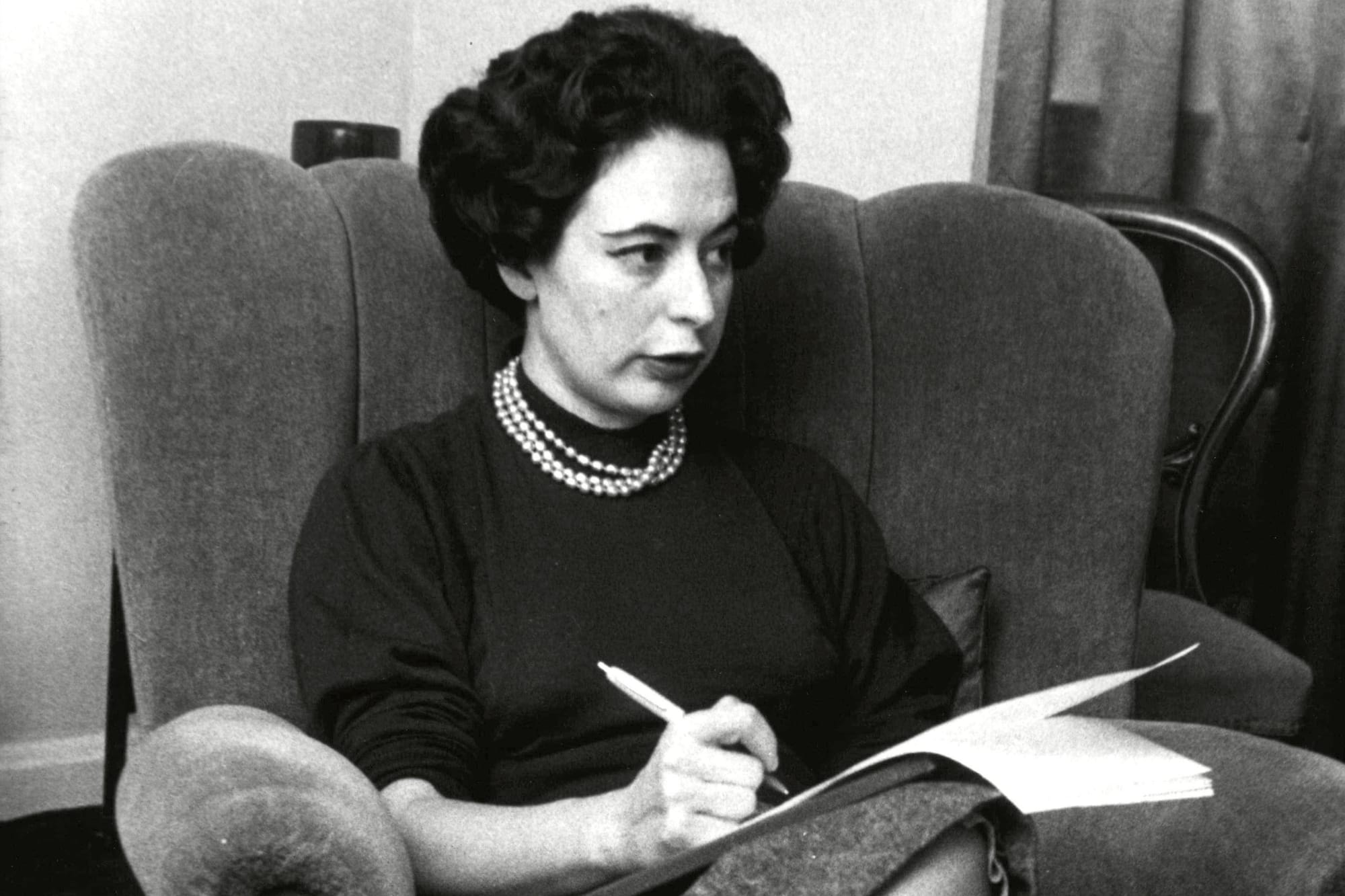
Both novel and its subsequent (watered down...) film adaptation genuinely shifted British consciousness about homosexuality, challenging entrenched prejudices about who could be gay and why. For today's queer audiences—whether you're a working-class kid from Glasgow, a British-Asian teenager in Birmingham, or anyone who's ever felt excluded from respectable gay narratives—Freeman's insistence that ordinary blokes deserve epic love stories remains thrilling.
Featuring a brand-new introduction from academic and queer studies expert Dr Kaye Mitchell, this slim volume absolutely flies by, utterly compulsive despite—or perhaps because of—its unflinching approach. It's essential reading for understanding how far we've travelled and what it cost those who came before.
Five leather-clad stars. Rev your engines and read it.
For more info or to order the book see the publishers website here: Dead Ink Books has launched its Outsider Classics list to republish "forgotten masterpieces" and "once-censored provocations".
The list is described as a "resurrection ground for the strange, the silenced and the outcasts", which "exhumes lost literary voices that were ahead of their time to restore them to the cult status they always deserved".
Support independent LGBTQ+ journalism
Scene was founded in Brighton in 1993, at a time when news stories about Pride protests were considered radical. Since then, Scene has remained proudly independent, building a platform for queer voices. Every subscription helps us to report on the stories that matter to LGBTQ+ people across the UK and beyond.
Your support funds our journalists and contributes to Pride Community Foundation’s grant-making and policy work.
Subscribe today
Comments ()