

Pride and Prejudice: The struggle for LGBTQ+ rights in Venezuela
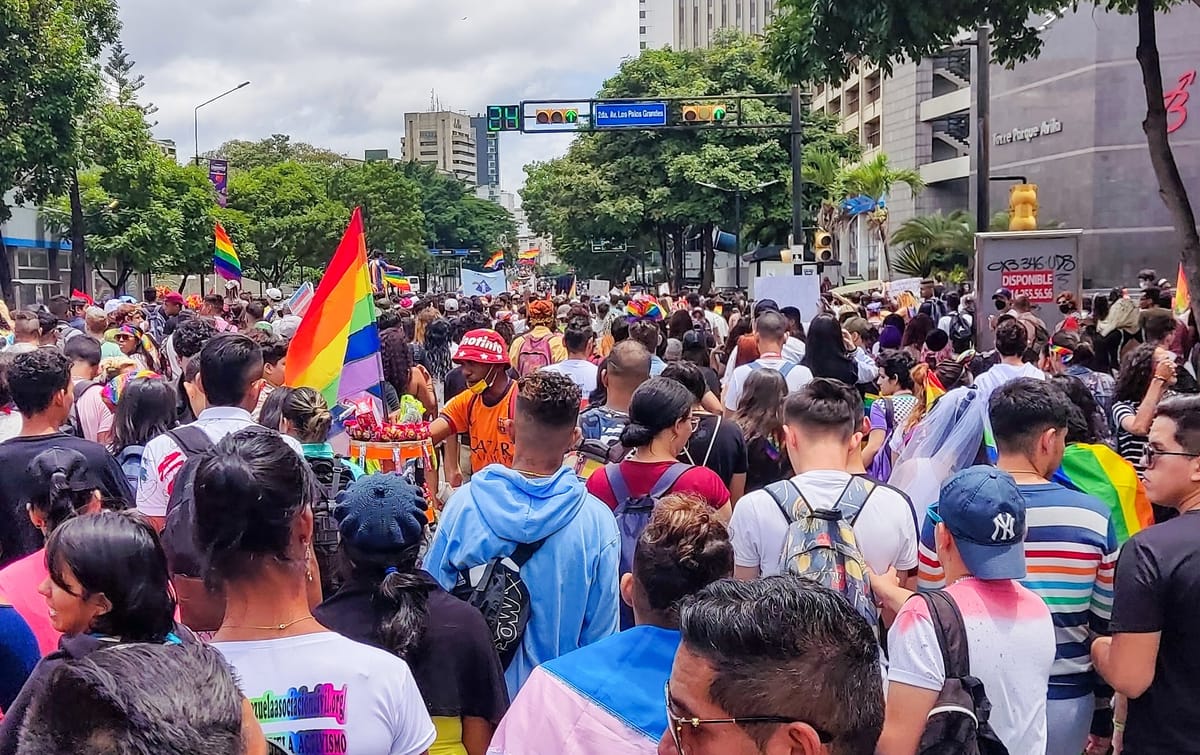
“In Venezuela, unlike most Latin American countries, no meaningful recognition has been achieved for the LGBTIQ+ population,” says a prominent activist, speaking from Caracas. “There is no equal marriage, no identity recognition for trans people, and existing anti‑discrimination laws are never enforced in practice.”
Same-sex relations have never been illegal in Venezuela - a rare distinction in the region - but the 1999 Constitution defines marriage as between a man and a woman, explicitly denying recognition to same-sex couples. Transgender people, meanwhile, have virtually no legal route to change identity documents, and medical support is scarce. Violence thrives in the gaps. Although hate crimes based on sexual orientation are technically an aggravating factor under law, enforcement is sporadic, and discrimination in employment, housing, and healthcare is rampant.
Activism in Venezuela has become increasingly perilous. In August 2024, LGBTQ rights defender Yendri Velásquez was detained at Maiquetía airport while preparing to travel to Geneva, his passport abruptly revoked and held incommunicado. “We live under a dictatorship, without the possibility to ask for what we really need without facing persecution,” says an activist who spoke to Caracas Chronicles. “Our organisation chose to participate as discreetly as possible … since the presidential elections, the queer community has been deeply affected.”
In July 2023, police raided a gay bar in Valencia, detaining 33 men under vague “lewd conduct” laws - arrests that sparked public outcry. “I thought it was a joke,” recalled one patron, describing how officers barged in with shouts of “Hands up!” before hauling everyone off to police headquarters.
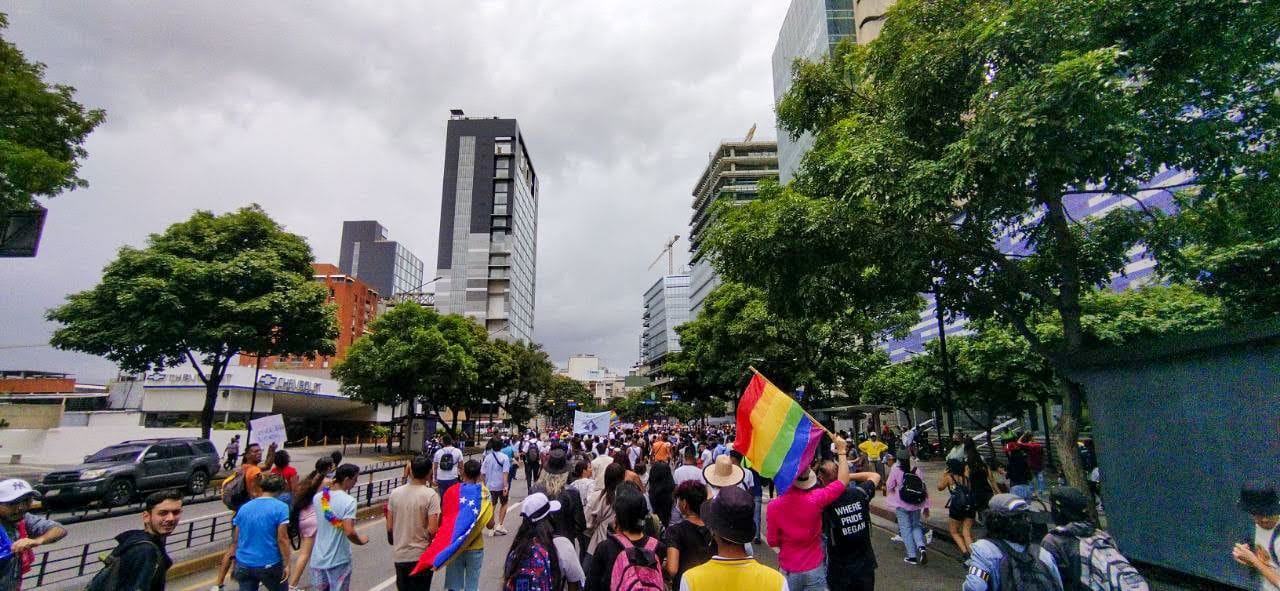
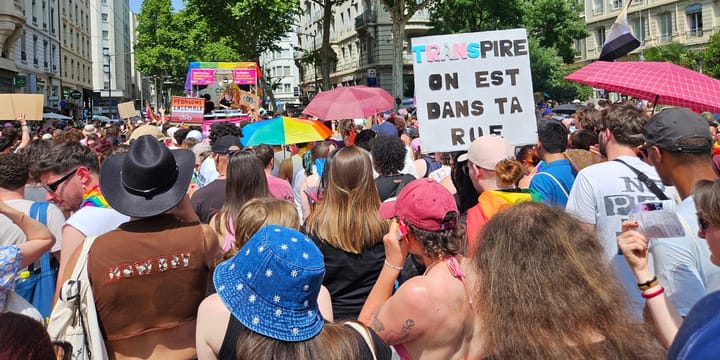
Yet Pride remains a powerful act of resistance. In 2023, more than 25,000 marched in Caracas, embassies joined in, floats appeared in the parade—but the visible presence of NGOs and activists has since diminished. The messages have softened, prioritising safety over slogans. Still, the march continues.
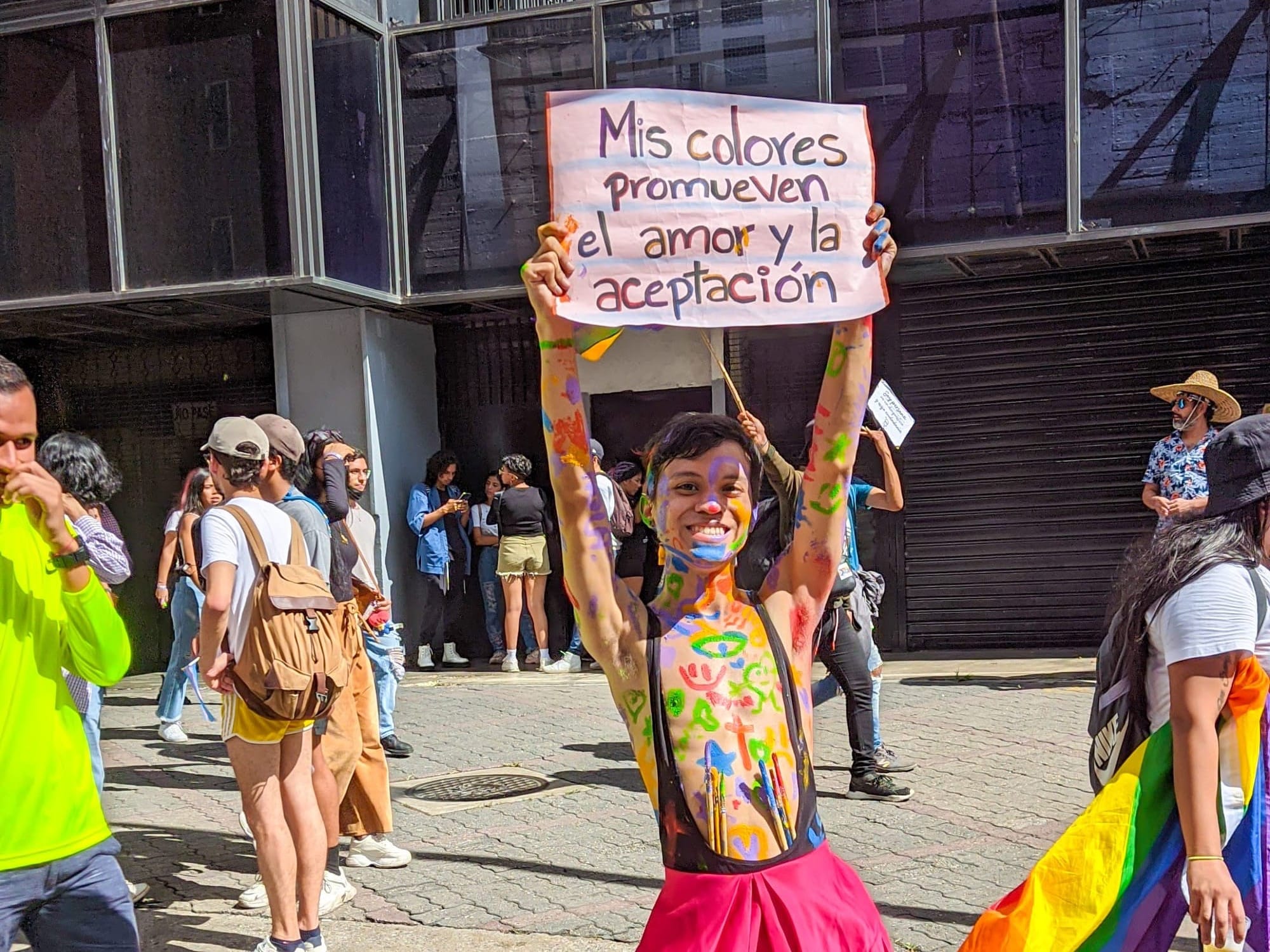
Despite the repression, Venezuelan LGBTQ groups are reaching out to international bodies like the UN and OAS, pushing for constitutional reforms around marriage equality, gender identity recognition, and stronger anti-discrimination measures. But with the country still in political and economic freefall, change remains elusive.
For now, LGBTQ Venezuelans confront prejudice, persecution, and the persistent fear of violence. But through annual Pride marches, grassroots organising, and global advocacy, their movement endures - anchored by courage, resilience, and the unspoken truth that their struggle is far from over.
Support independent LGBTQ+ journalism
Scene was founded in Brighton in 1993, at a time when news stories about Pride protests were considered radical. Since then, Scene has remained proudly independent, building a platform for queer voices. Every subscription helps us to report on the stories that matter to LGBTQ+ people across the UK and beyond.
Your support funds our journalists and contributes to Pride Community Foundation’s grant-making and policy work.
Subscribe today
Comments ()