

Over 90% of trans and non-binary people in Norway satisfied with gender-affirming care
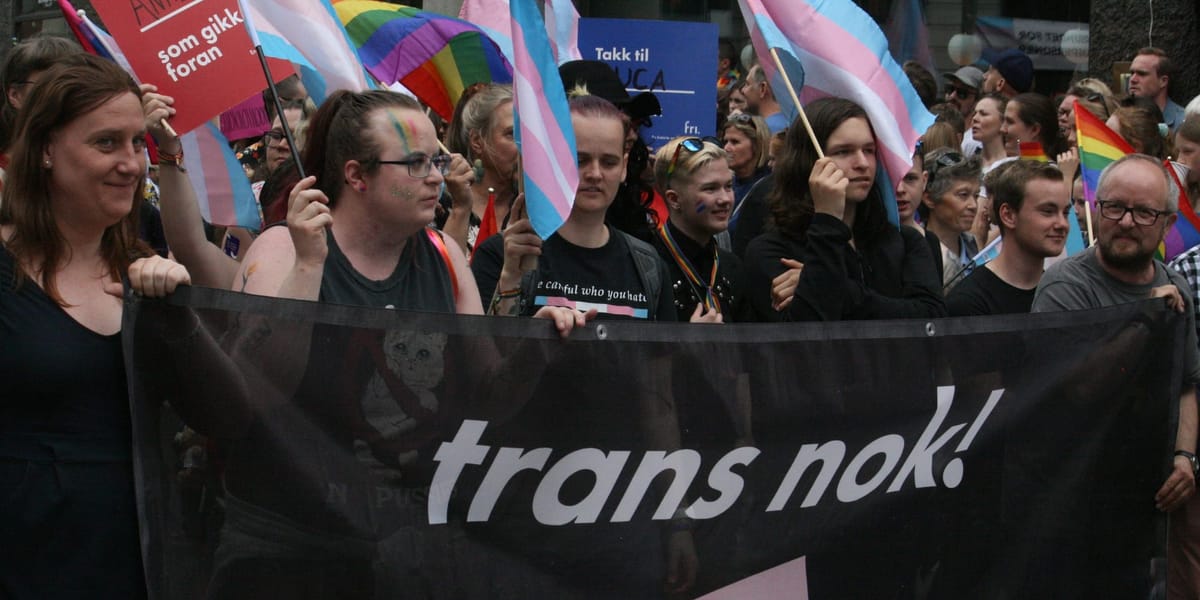
A survey of trans and non-binary people in Norway has found that the vast majority who have received gender-affirming care are satisfied with the treatment outcomes, including 93% of those who received hormones and 96% of those who underwent surgery.
The findings, included in a new report by the Williams Institute at UCLA School of Law in collaboration with the University of Agder, Norway, show that trans men and women were more likely than non-binary people to have obtained gender-affirming health care. The share of study participants who reported having made most of the changes they wanted - socially, medically, or in other ways - was highest among trans men (35%), followed by trans women (18%), nonbinary people assigned female at birth (16%), and non-binary people assigned male at birth (0%).
Using data from a nationwide sample of 579 trans and non-binary people in Norway, researchers examined gender-affirming health care needs, care experiences, and overall health and well-being across gender identity groups.
More than one-third of respondents (37%) reported having ever attempted suicide - about 12 times the rate in Norway’s general population (3%) - and three-quarters (75%) reported clinically high levels of mental distress. Fewer than half (47%) reported good general health, compared with 68% of the general population.
“Research shows that gender-affirming medical care is associated with improved quality of life and better mental health outcomes, including lower rates of depression, anxiety, mental distress, and suicidality,” said study author Ilan Meyer, Distinguished Senior Scholar of Public Policy at the Williams Institute. “The alarmingly high levels of mental distress and suicide attempts observed in this study underscore the urgent need to expand access to individualised gender-affirming care for those who seek it.”
Norway has universal health coverage, and publicly funded gender-affirming medical care is currently provided through a single national clinic. Eligible patients may access hormone therapy, breast and genital surgery, puberty blockers, permanent hair removal, and voice training following an assessment of at least one year.
Despite this coverage, barriers to care remain. Among participants with unmet needs, almost half (46%) reported being unable to afford hormones, more than half (66%) could not afford surgery, and one out of five had consulted a health professional but was refused treatment.
Among those who received hormones, one-third obtained them entirely through private funding. Among those who underwent surgery, half received it entirely through private funding.
Among respondents with unmet needs, non-binary people were less likely than trans men and women to be under assessment for treatment or on a waiting list to obtain surgery, although approved. A fear of negative reactions from others led non-binary people to avoid surgery more often than other groups.
“The transgender and non-binary populations in Norway are not homogeneous. Our study identified clear differences in health care needs both across and within gender identity groups,” said lead author Silje-Håvard Bolstad, Assistant Professor and Specialist in Clinical Psychology and Clinical Sexology at the University of Agder. “These findings underscore the importance of tailoring gender-affirming care to individual needs, rather than relying solely on gender identity group membership.”
Support independent LGBTQ+ journalism
Scene was founded in Brighton in 1993, at a time when news stories about Pride protests were considered radical. Since then, Scene has remained proudly independent, building a platform for queer voices. Every subscription helps us to report on the stories that matter to LGBTQ+ people across the UK and beyond.
Your support funds our journalists and contributes to Pride Community Foundation’s grant-making and policy work.
Subscribe today

Comments ()