

Orlando to demolish Pulse Nightclub ahead of permanent Memorial to honour 49 killed in mass shooting
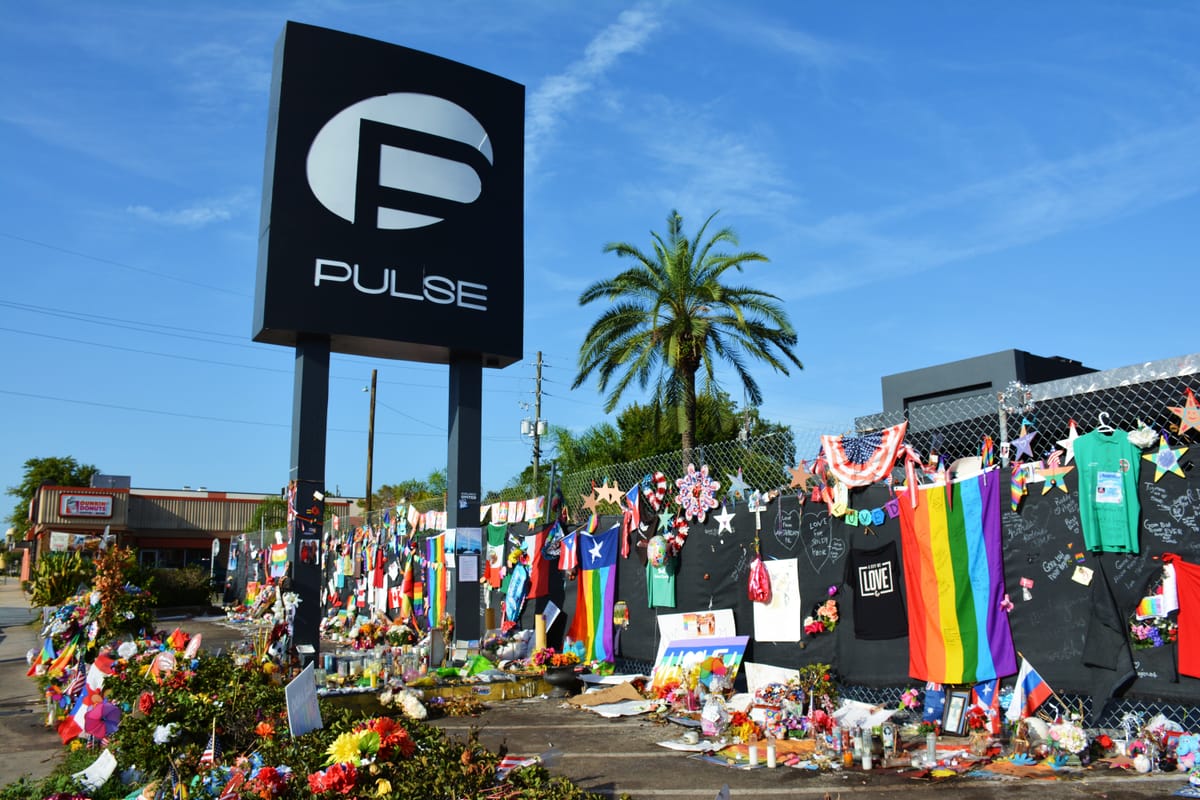
The City of Orlando is preparing to demolish the Pulse Nightclub next month, marking a significant and emotional step towards creating a permanent memorial to honour the 49 people killed in the 2016 mass shooting. The move comes nearly a decade after the attack, which remains one of the deadliest crimes committed against LGBTQ+ people in the United States.
City officials confirmed that demolition work will begin on 18 March 2026, following the removal of the club’s iconic Pulse sign, which is scheduled to be taken down and securely stored on or near 10 March. Construction fencing has already been installed around the site, closing the temporary memorial to the public, though a small area remains accessible for visitors to leave flowers and reflect.
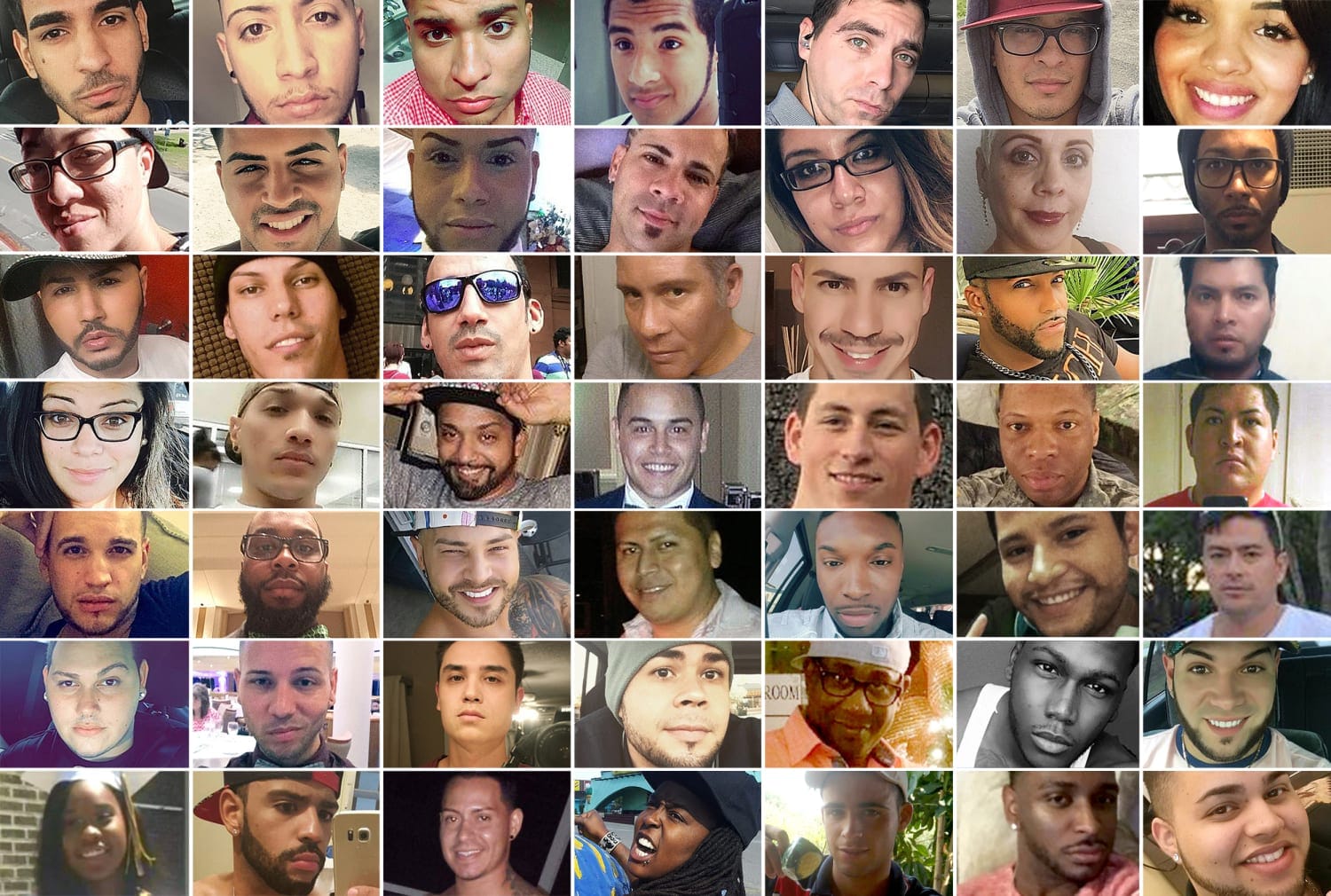
In recent months, city workers have been carefully removing and cataloguing key artefacts from inside the building - including chandeliers, posters and other décor - which are now stored in an environmentally controlled facility for potential inclusion in the future memorial. Portions of the temporary outdoor memorial, such as benches and items left by mourners, have also been preserved.
A public meeting will take place on 5 March to share updated design renderings for the permanent memorial, presented by the Pulse Memorial Advisory Committee. Early plans include a reflective pool, a survivors’ wall, and 49 tribute columns, representing each life lost. Funding for the multi‑million‑dollar memorial includes contributions from the City of Orlando, Orange County and the state of Florida.
The city anticipates construction to begin in early autumn 2026, with completion expected by late 2027. The project will create a dedicated space of remembrance at the site on Orange Avenue, which has served as an informal shrine since the tragedy. In June, Orlando will also mark the 10th anniversary of the attack with its annual Pulse Remembrance Ceremony.
Support independent LGBTQ+ journalism
Scene was founded in Brighton in 1993, at a time when news stories about Pride protests were considered radical. Since then, Scene has remained proudly independent, building a platform for queer voices. Every subscription helps us to report on the stories that matter to LGBTQ+ people across the UK and beyond.
Your support funds our journalists and contributes to Pride Community Foundation’s grant-making and policy work.
Subscribe today

Comments ()