

Murder of gay porn star Billy London solved 35 years later with help from documentary director
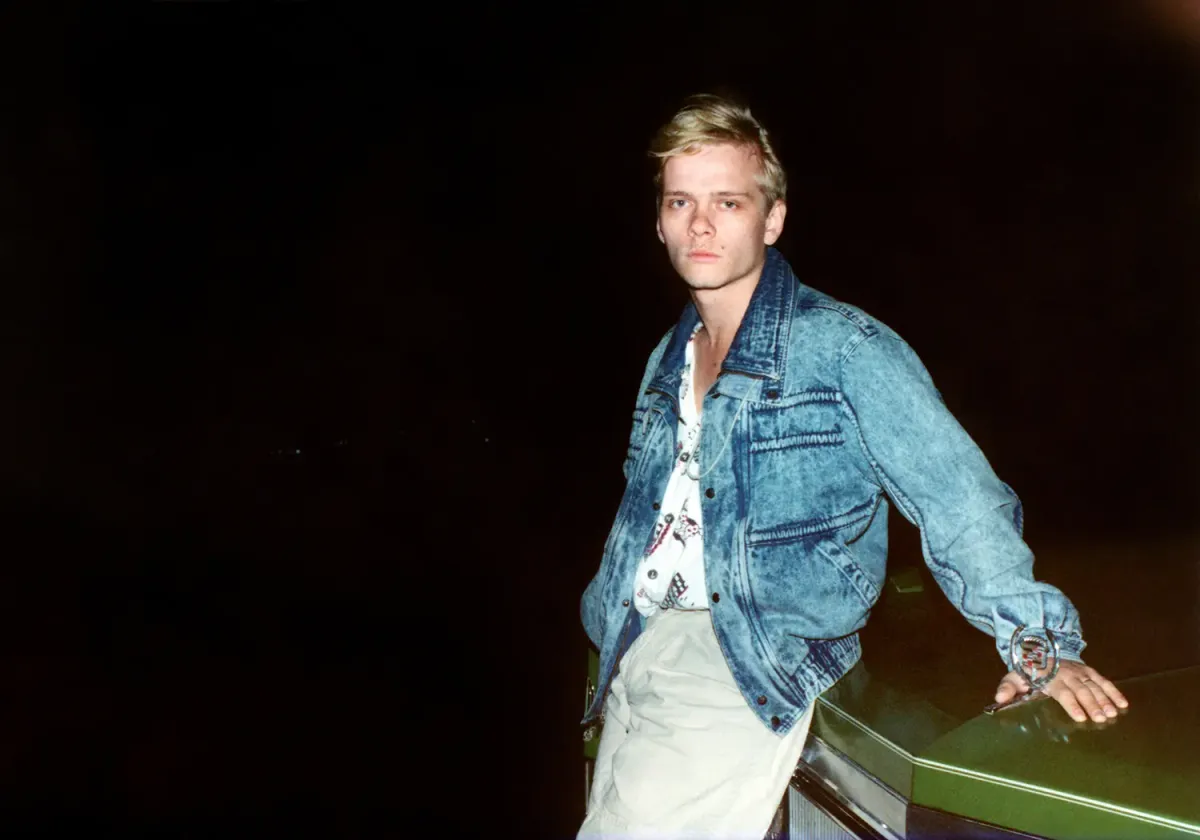
A 35-year-old cold case involving the gruesome murder of gay porn actor Billy London has finally been solved, thanks to the meticulous work of filmmaker Rachel Mason, whose new documentary unearthed crucial evidence long overlooked by investigators. The case, described for decades as the “gay Black Dahlia” due to its brutality, centred on the 1990 killing of performer William Arnold Newton, known professionally as Billy London, whose dismembered remains were found in a Hollywood dumpster.
Mason first stumbled upon the cold case while working on an earlier documentary, Circus of Books, about her parents’ iconic West Hollywood adult bookstore. Among a stack of archival materials, she found an old Advocate article reporting Newton’s unsolved murder. That discovery sparked a multi‑year investigation that brought together amateur sleuths, LGBTQ+ community historians and LAPD cold‑case detectives.
One key breakthrough came from Mason’s review of archival gay adult industry footage, including a videotaped early‑1990s memorial awards show. In the recording, an individual later identified as the killer - DarraLynn Madden, a former gay porn performer and member of a white supremacist skinhead group - unexpectedly appeared on stage. Mason described the moment as “chilling” and akin to a time capsule that captured a long‑ignored thread of evidence.
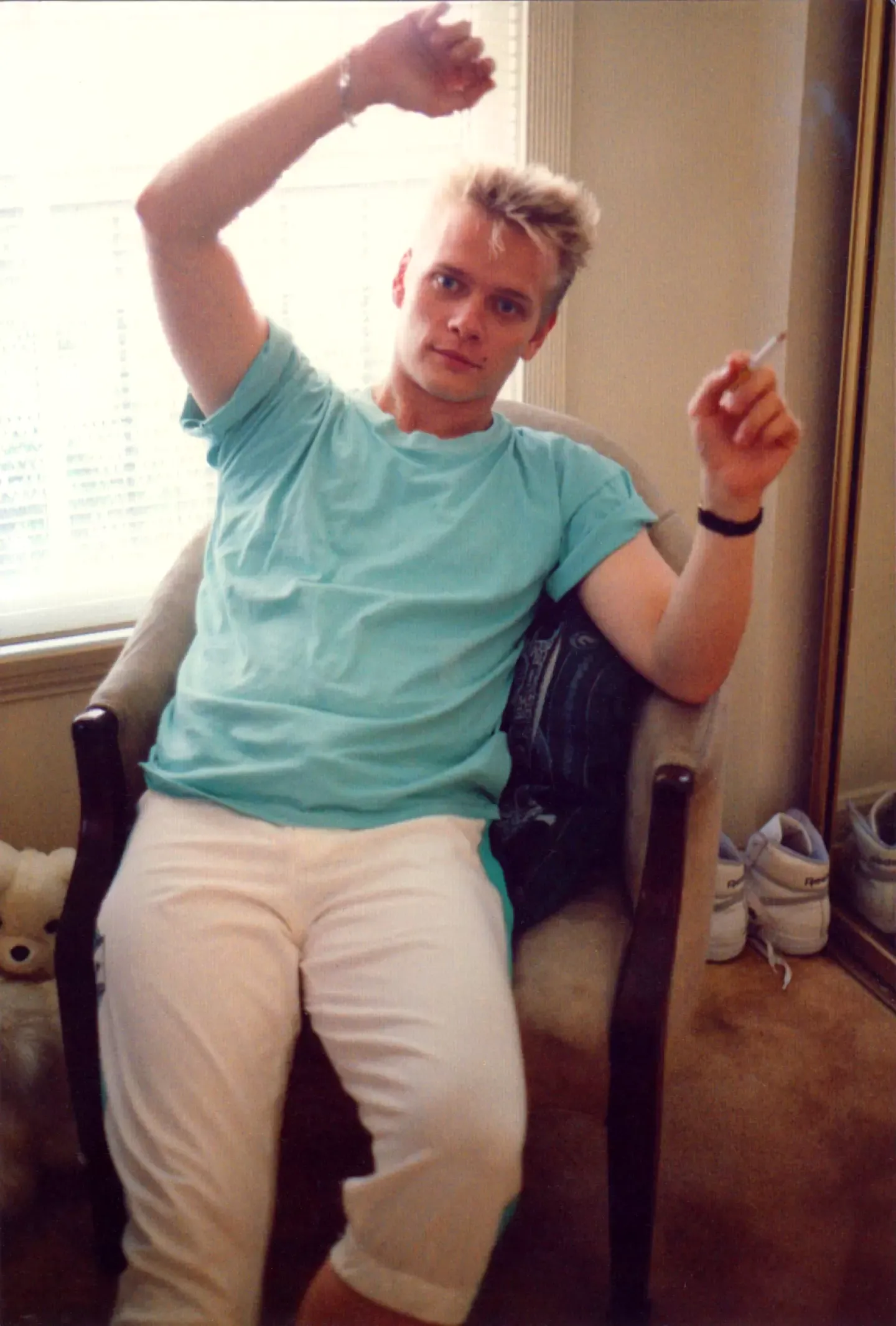
Another major contributor to the breakthrough was amateur investigator Clark Williams, who immersed himself in gay porn titles from the era. He repeatedly found the name Darrell Lynn Madden (now DarraLynn Madden) credited in multiple films. He then connected this name to interviews in which Madden had openly admitted involvement in homophobic murders in Baltimore and Los Angeles - statements that had not previously been linked to Newton’s killing. This pattern, combined with Mason’s archival discoveries, helped detectives re‑focus their investigation.
Mason’s documentary, My Brother’s Killer, ultimately yielded the most pivotal evidence of all: an on‑camera confession. Working alongside LAPD cold‑case detectives John Lamberti and Tamara Momayez, Mason approached Madden - now a trans inmate serving a life sentence for an unrelated murder - without fully revealing the scope of their investigation. During interviews, Madden volunteered details of the crime, corroborating longstanding suspicions and finally tying her unequivocally to Newton’s 1990 murder.
The case’s resolution marks an extraordinary moment in true‑crime history, echoing seismic moments such as Robert Durst’s accidental confession in HBO’s The Jinx. Critics and LGBTQ+ historians say the film highlights the erasure of queer lives during the AIDS crisis - when deaths from illness overshadowed acts of targeted violence - and restores dignity to a victim long dismissed by mainstream media.
Mason emphasised that the film is not merely about solving a crime, but about reclaiming queer history. She noted that gay porn archives - often dismissed or derided - proved to be “a form of history” and an essential tool in uncovering long‑buried truths.
Support independent LGBTQ+ journalism
Scene was founded in Brighton in 1993, at a time when news stories about Pride protests were considered radical. Since then, Scene has remained proudly independent, building a platform for queer voices. Every subscription helps us to report on the stories that matter to LGBTQ+ people across the UK and beyond.
Your support funds our journalists and contributes to Pride Community Foundation’s grant-making and policy work.
Subscribe today
Comments ()