

LGBTQ+ victims of the Holocaust remembered on Holocaust Memorial Day
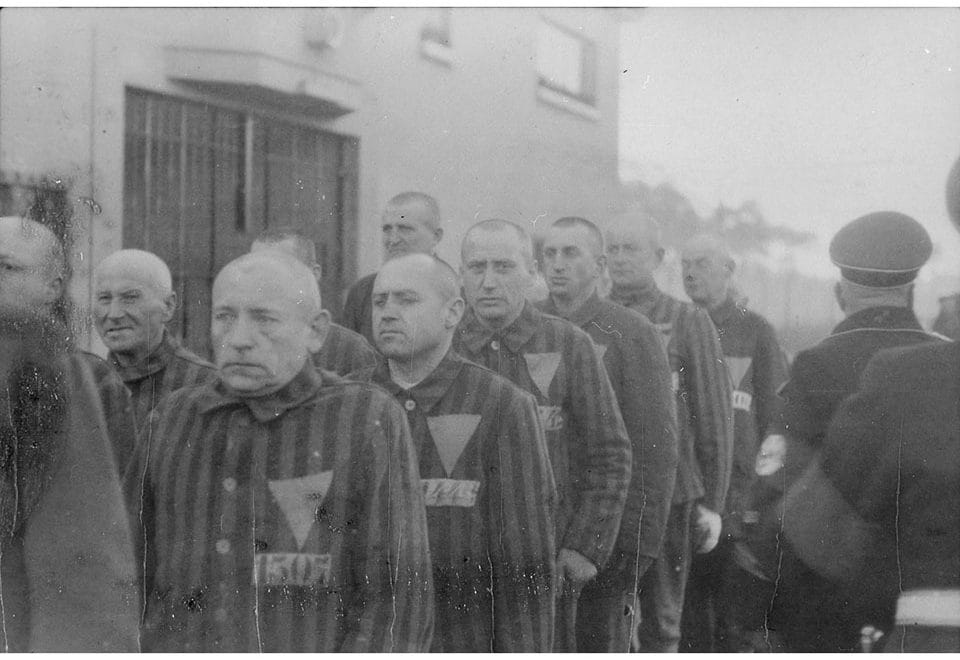
As the UK marks Holocaust Memorial Day (HMD) on 27 January 2026, the spotlight turns once again to the millions targeted and murdered under Nazi persecution - including LGBTQ+ people, whose experiences were long overlooked in post-war remembrance. This year’s national theme, Bridging Generations, invites renewed reflection on stories that span decades yet still resonate powerfully today.
LGBTQ+ people, particularly gay men, faced systematic persecution under the Nazis. The regime weaponised Paragraph 175, pre-existing German legislation that criminalised homosexual acts, intensifying its use from the moment Hitler came to power. Many LGBTQ+ people attempted to survive by fleeing abroad, entering heterosexual marriages, or otherwise conforming to the regime’s oppressive demands. Germany’s once-thriving queer culture was rapidly dismantled.
An estimated 50,000 men were convicted under Paragraph 175, suffering severe prison sentences under brutal conditions where torture, forced labour and starvation were commonplace. While the majority were kept in prisons rather than camps, some 10,000–15,000 gay menwere deported to concentration camps, many forced to wear the now-infamous pink triangle marking them for further abuse.
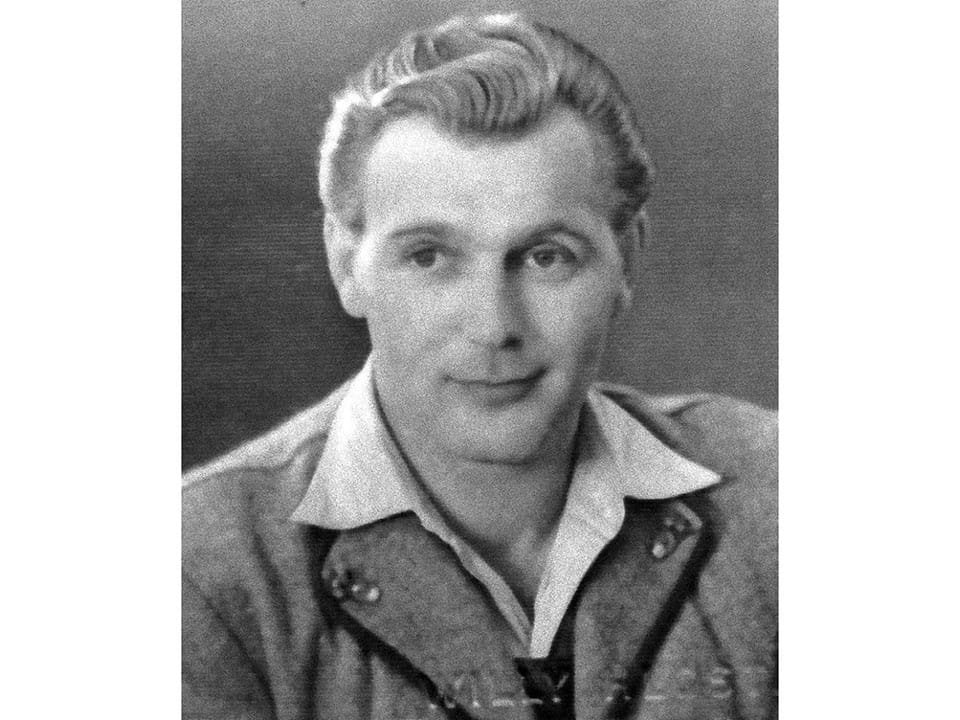
Survivors recount castration, medical experimentation and extremely high mortality rates. As one survivor, Heinz Heger - arrested in 1939 and imprisoned for six years - recalled, “We who wore the pink triangle were prioritised for medical experiments [...] which generally ended in death.”
Liberation in 1945 did not bring justice for LGBTQ+ survivors. The Allies chose not to repeal the Nazi-amended Paragraph 175, meaning that many continued to serve their sentences and were denied recognition as victims of Nazi persecution - a status essential for reparations or state acknowledgement. For decades, LGBTQ+ suffering during the Holocaust remained marginalised both legally and socially.
This year’s theme, Bridging Generations, highlights the importance of connecting past and present - a reminder that the responsibility of remembrance sits not only with survivors, but with younger generations now entrusted with carrying these histories forward. The theme emphasises cross-generational conversations, ensuring that the lessons of the Holocaust remain active, urgent and relevant.
Government-supported commemorations across the UK are bringing these stories into focus, with events organised by the Holocaust Memorial Day Trust to honour the six million Jewish victims and the millions more persecuted for their ethnicity, politics, disability, religion or sexuality.
Support independent LGBTQ+ journalism
Scene was founded in Brighton in 1993, at a time when news stories about Pride protests were considered radical. Since then, Scene has remained proudly independent, building a platform for queer voices. Every subscription helps us to report on the stories that matter to LGBTQ+ people across the UK and beyond.
Your support funds our journalists and contributes to Pride Community Foundation’s grant-making and policy work.
Subscribe today


Comments ()