

Kazakhstan enacts Russian-style anti-LGBTQ+ Bill
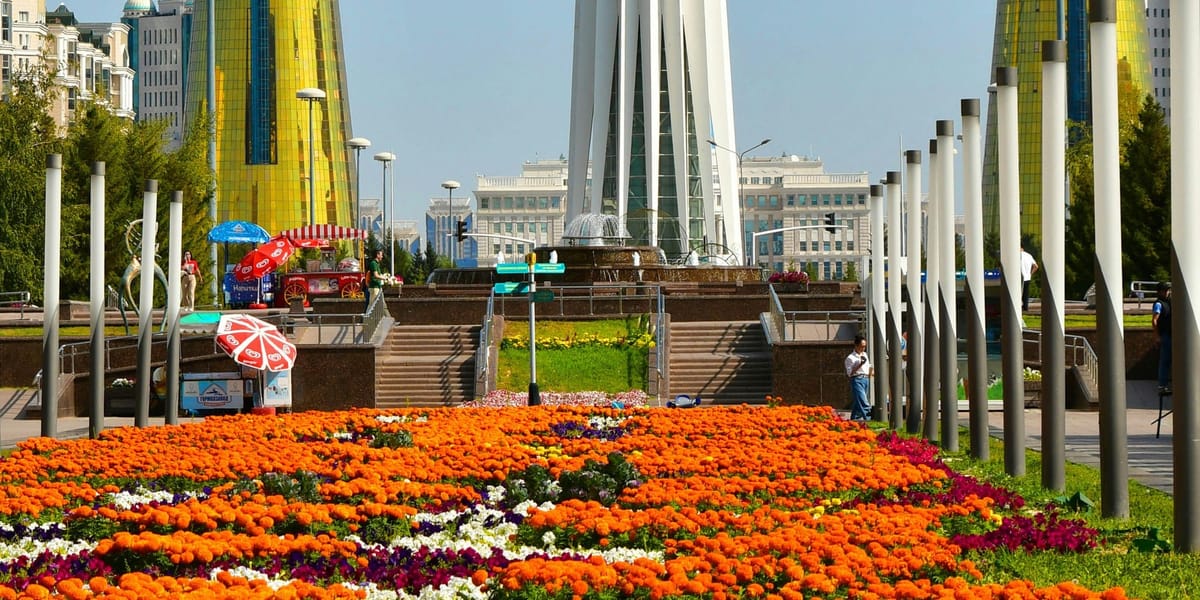
Kazakhstan has enacted a controversial law banning the dissemination of information deemed to promote “non-traditional sexual orientation”, drawing sharp criticism from international rights groups and comparisons to Russia’s notorious “gay propaganda” legislation.
President Kassym-Jomart Tokayev signed the bill on 30 December, with the amendments taking effect on 1 January. The law covers media, education, advertising, cultural activities and online platforms, and applies broadly to any content accessible to minors. While same-sex relationships remain legal, the legislation effectively prohibits positive or neutral portrayals of LGBTQ+ identities.
Violators face fines of up to 130,000 tenge (approximately £220), and repeat offences may result in up to ten days’ administrative detention. Officials claim the measure is intended to protect children from “harmful influences”, but critics argue it institutionalises censorship and discrimination.
Human rights organisations, including Amnesty International, have condemned the law as a breach of freedom of expression and non-discrimination. UN experts and EU representatives have also voiced concern, warning that the move could fuel intolerance and marginalisation.
Kazakhstan joins a growing list of countries adopting similar restrictions, including Russia, Hungary and Georgia. Activists within Kazakhstan have vowed to challenge the law in court and are urging international pressure on the capital of Astana.
The development marks a significant shift towards Russian-style social conservatism in Central Asia, raising fears for the future of LGBTQ+ rights in the region.
Support independent LGBTQ+ journalism
Scene was founded in Brighton in 1993, at a time when news stories about Pride protests were considered radical. Since then, Scene has remained proudly independent, building a platform for queer voices. Every subscription helps us to report on the stories that matter to LGBTQ+ people across the UK and beyond.
Your support funds our journalists and contributes to Pride Community Foundation’s grant-making and policy work.
Subscribe today
Comments ()