

João Lucas Reis da Silva set to make history as first openly gay male player at Australian Open
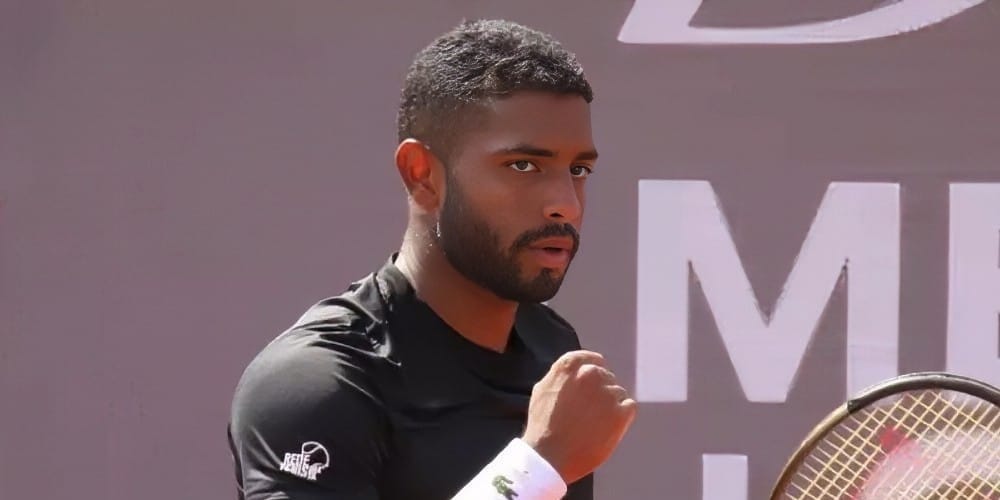
Brazilian tennis player João Lucas Reis da Silva is preparing to make history at Melbourne Park as the first openly gay man to compete in the Australian Open. The 25‑year‑old, currently ranked world No 204, will enter the qualifying rounds next week, marking a watershed moment for inclusivity in professional tennis.
Reis da Silva’s rise has been nothing short of extraordinary. Until late 2024, he was ranked outside the top 400. Then, in December, he publicly came out, sharing a heartfelt Instagram post celebrating his relationship with his partner, Gui Sampaio Ricardo. What followed was a surge in confidence and performance: he climbed more than 200 places in the ATP rankings, reached a career‑high of No 187, and claimed his first ATP Challenger title in Santa Fe during Pride Month.
His win‑loss record improved dramatically, and his presence on tour began to carry a new significance. “When I started to tell everyone that I’m gay, they stopped saying these things,” he said, referring to homophobic language he had previously encountered. For Reis da Silva, openness has not only changed his personal life but also reshaped his professional environment.
The Australian Open qualifying rounds begin on Monday, 12 January. To secure a spot in the main draw, Reis da Silva must win three consecutive matches. Even if he falls short, his participation alone is groundbreaking. The Brazilian has chosen to skip traditional warm‑up tournaments, opting instead for focused training before arriving in Melbourne. A first‑round exit would still earn him a significant prize purse, but the real victory lies in representation.
Men’s tennis has long lacked openly gay players, despite its global reach and influence. Reis da Silva’s decision to come out publicly challenges that silence. “I think there are other gay players on tour, but they’re not open,” he said recently. His visibility sends a powerful message to aspiring athletes: authenticity and success can coexist.
Experts and advocates have hailed his courage as a turning point. In a sport where locker‑room culture has historically been slow to embrace diversity, his story offers hope for a more inclusive future.
Support independent LGBTQ+ journalism
Scene was founded in Brighton in 1993, at a time when news stories about Pride protests were considered radical. Since then, Scene has remained proudly independent, building a platform for queer voices. Every subscription helps us to report on the stories that matter to LGBTQ+ people across the UK and beyond.
Your support funds our journalists and contributes to Pride Community Foundation’s grant-making and policy work.
Subscribe today


Comments ()