

‘Horrific’ delays push more trans people to seek gender surgery overseas
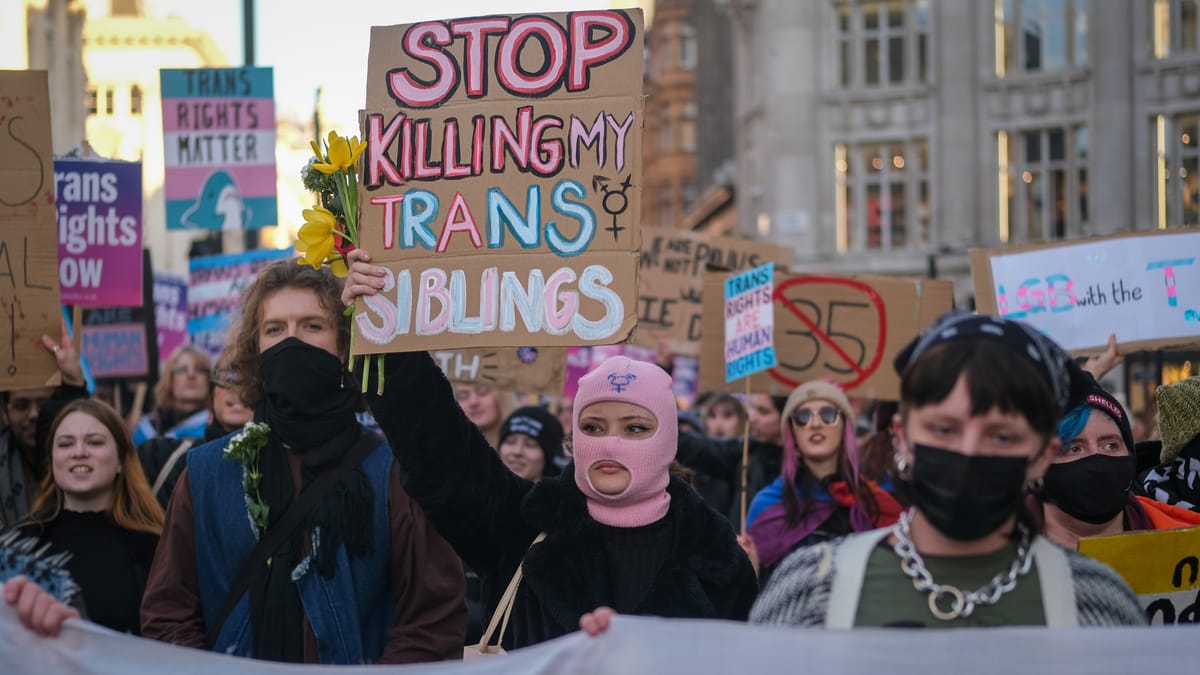
Trans people in the UK are turning to overseas clinics in growing numbers as NHS waiting lists for gender‑affirming care reach unprecedented lengths, with some patients facing delays of up to 20 years for surgery and more than 25 years for a first clinical appointment.
Charities and patient advocates warn that the escalating crisis is driving many to take drastic measures, including travelling to countries such as Thailand, Poland, Spain and Turkey, where shorter waiting times and more affordable procedures are widely advertised. According to The Independent, some UK patients have been left waiting decades for NHS treatment, prompting a surge in those paying thousands of pounds to access faster care abroad.
The delays - described as “horrific” by campaigners - stem from chronic NHS backlogs. The Levy Review, published in December, projects that waiting times for a first NHS adult gender dysphoria clinic appointment could reach 15 years without urgent intervention. Meanwhile, separate investigations suggest the situation is even worse nationwide: new data gathered via Freedom of Information requests indicates that the average UK wait now stands at 25 years, with some regions offering wait times so extreme they effectively preclude treatment. For example, projected waits at clinics in Glasgow have reached an estimated 224 years.
With the domestic system unable to meet demand, patients are increasingly making perilous decisions. Reports highlight significant medical risks for those travelling abroad for complex surgery, with some experiencing severe post‑operative complications once back in the UK. Because the NHS is not obliged to provide routine follow‑up care for privately funded overseas procedures, many return home to find themselves without adequate medical support.
Beyond physical risk, organisations working with trans people warn of a deepening mental‑health crisis. Long waits for assessment and treatment are contributing to widespread psychological distress, with some patients reporting anxiety, despair and, in extreme cases, suicidal thoughts. Clinicians and campaigners say the delays create a “desolate experience” that leaves many feeling abandoned and trapped in bodies that do not align with their gender identity.
The government has launched small-scale pilot schemes intended to provide interim wellbeing support, but critics argue these measures fall far short of addressing structural failings in the gender‑care system. Until the NHS dramatically expands specialist services and reduces wait times, analysts say the trend of trans patients seeking surgery abroad is likely to continue - highlighting an urgent shortfall in healthcare provision that many view as a matter of life‑saving necessity.
Support independent LGBTQ+ journalism
Scene was founded in Brighton in 1993, at a time when news stories about Pride protests were considered radical. Since then, Scene has remained proudly independent, building a platform for queer voices. Every subscription helps us to report on the stories that matter to LGBTQ+ people across the UK and beyond.
Your support funds our journalists and contributes to Pride Community Foundation’s grant-making and policy work.
Subscribe today

Comments ()