



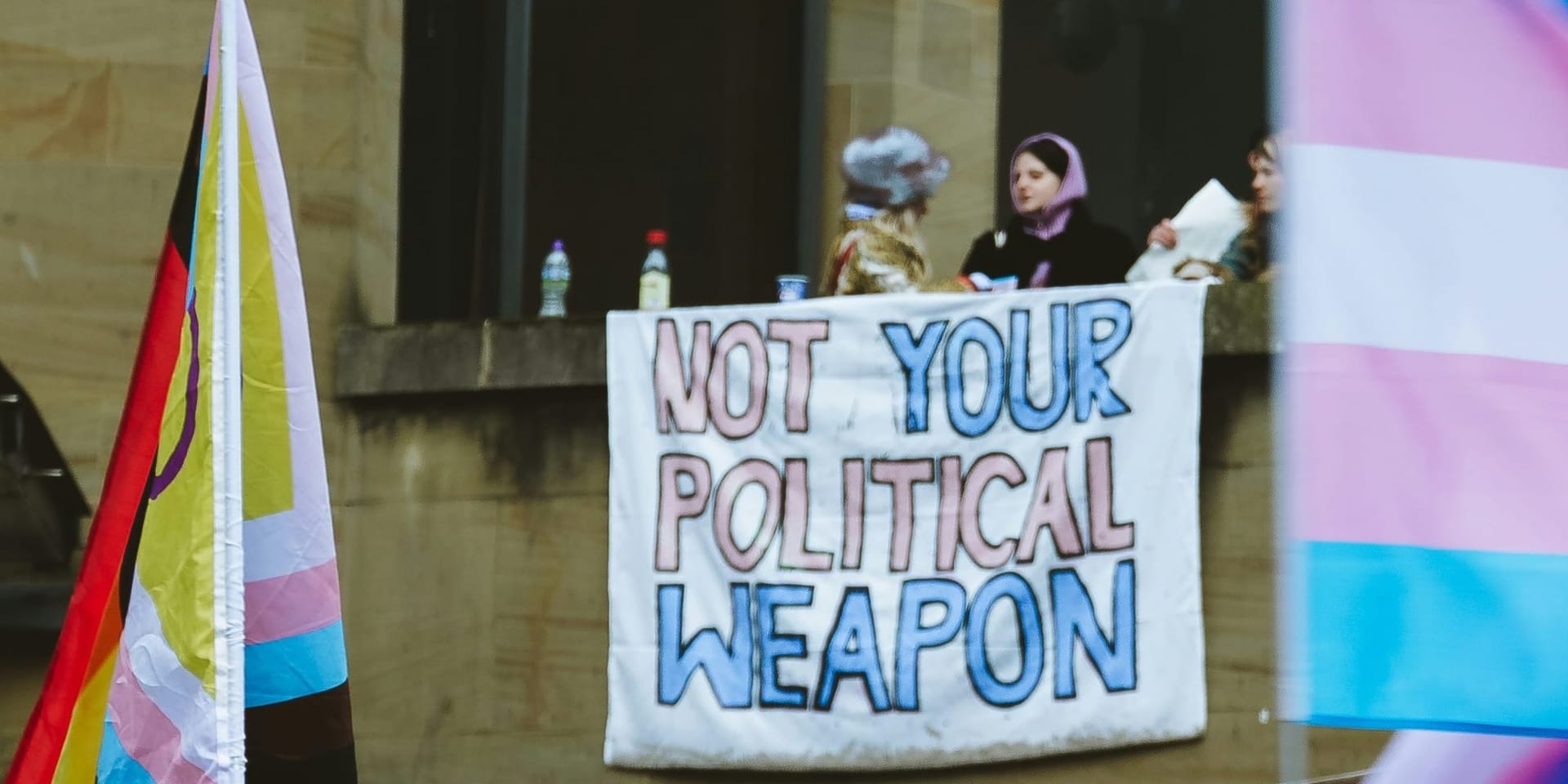
The government has moved to review proposed guidance from the Equality and Human Rights Commission (EHRC) on services, public functions and associations, following widespread criticism that earlier proposals risked undermining trans inclusion under equality law.
The EHRC confirmed it has submitted an updated draft of its statutory Code of Practice on Services, Public Functions and Associations to ministers for approval, after conducting consultations that drew more than 50,000 responses from organisations, legal experts and members of the public across the UK.
The revised code is intended to update guidance first published in 2011, reflecting developments in equalities legislation and a 2025 Supreme Court ruling on the meaning of sex under the Equality Act. Once approved by the Minister for Women and Equalities, Bridget Phillipson, the code will be laid before Parliament for scrutiny before coming into force .
Earlier interim guidance published by the EHRC in April 2025 had been criticised by campaigners and equality bodies for suggesting broad exclusions of trans people from single‑sex services, including toilets and changing facilities. Critics argued the proposals amounted to a de facto national “bathroom ban” and went beyond what the law requires .
Responding to the latest update, Alex Parmar‑Yee, director of Trans+ Solidarity Alliance, welcomed signs that the government had listened to concerns raised by trans communities and inclusive organisations.
“We're glad that the Government has heard how cruel and unworkable the EHRC's original proposals were,” she said. “A national bathroom ban under the guise of equality law is not in line with Labour's values, and we hope any new guidance scraps that idea for good.”
She said the past year had created deep anxiety for trans people and service providers seeking clarity. “For trans people and inclusive organisations, the last year has been horrific – now we have to find out whether this Government has taken its responsibilities seriously and fixed this mess or not,” she added.
Parmar‑Yee said any revised guidance must uphold the principle of trans‑inclusive provision. “The only workable solution is to protect the norm of trans‑inclusive provision across the country, in line with international human rights standards and Labour's own promises to the trans community,” she said.
The EHRC has said the updated code aims to provide clarity to service providers while ensuring legal compliance with the Equality Act 2010. However, concerns remain among equality groups that inconsistent guidance could lead to confusion, discrimination and increased legal risk for organisations and individuals .
The government has not yet confirmed when the revised code will be laid before Parliament, or whether further changes will be made before approval.
Scene was founded in Brighton in 1993, at a time when news stories about Pride protests were considered radical.
Since then, Scene has remained proudly independent, building a platform for queer voices. Every subscription helps us to report on the stories that matter to LGBTQ+ people across the UK and beyond.
Your support funds our journalists and contributes to Pride Community Foundation’s grant-making and policy work.



Member discussion