

Georgian trans activist left with concussion after being hit with a brick, just one month after the killing of another trans woman
A suspect has been arrested after Nata Talikishvili, a trans activist in Georgia, was left with concussion after being hit with a brick in Tbilisi on October 20, just a month after the killing of another trans woman, Kesaria Abramidze, reflecting the worsening climate for LGBTQ+ rights in the countr
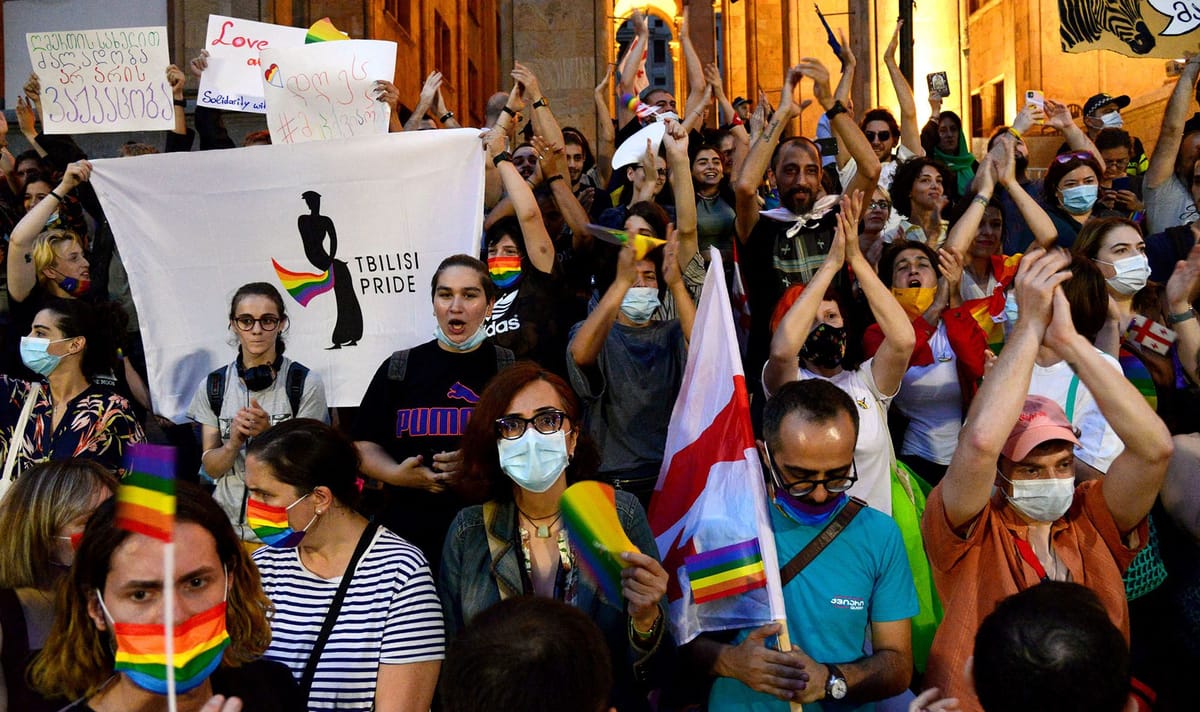
A suspect has been arrested after Nata Talikishvili, a trans activist in Georgia, was left with concussion after being hit with a brick in Tbilisi on October 20, just a month after the killing of another trans woman, Kesaria Abramidze, reflecting the worsening climate for LGBTQ+ rights in the country.
The attacks of Abramidze and Talikishvili, a recipient of the Kato Mikeladze Prize in 2018 for her work defending women’s rights, came after Georgian lawmakers approved legislation restricting LGBTQ+ rights.
The new laws allow for the prohibition of cultural events, including Pride marches, effectively limiting public expression for the LGBTQ+ community.
A 26-year-old suspect has since been detained in the Abramidze killing, with investigators blaming gender-based violence. Abramidze represented Georgia at the Miss Trans Star International beauty pageant in Barcelona in 2018 and regularly appeared in media and television.
The attacks underscore the LGBTQ+ community’s long-standing struggle in Georgia, where conservative social attitudes and political rhetoric have often marginalised sexual and gender minorities. Despite the growing visibility of LGBTQ+ activists and events, backlash has been common.
Violent disruptions of Pride marches and homophobic rhetoric from conservative groups and some politicians have cultivated an increasingly hostile environment for LGBTQ+ Georgians.
Human rights organisations are calling for stronger protections and a crackdown on hate crimes. Amid the restrictive new laws, many fear a continuing escalation of violence against LGBTQ+ individuals in Georgia.
Support independent LGBTQ+ journalism
Scene was founded in Brighton in 1993, at a time when news stories about Pride protests were considered radical. Since then, Scene has remained proudly independent, building a platform for queer voices. Every subscription helps us to report on the stories that matter to LGBTQ+ people across the UK and beyond.
Your support funds our journalists and contributes to Pride Community Foundation’s grant-making and policy work.
Subscribe today
Comments ()