

Friends of Muhsin Hendricks - widely recognised as the world’s first openly gay imam - "still waiting for justice" one year after his murder
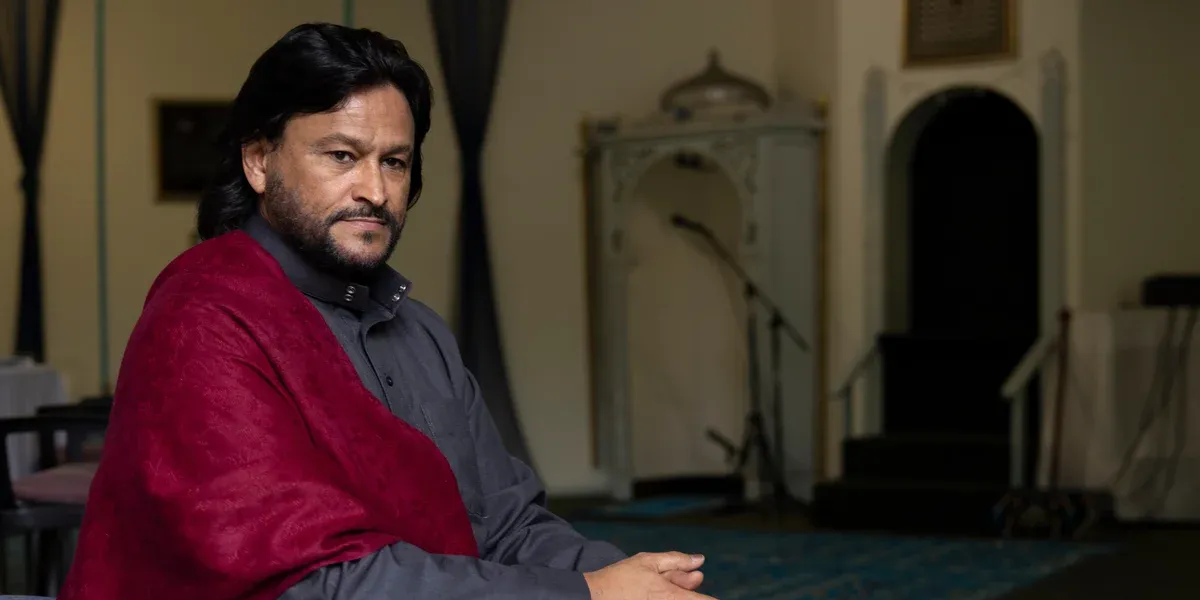
One year after the killing of Muhsin Hendricks - widely recognised as the world’s first openly gay imam - friends, colleagues and LGBTQ+ Muslim advocates are renewing calls for justice, amid growing frustration over the lack of arrests and clarity around the case.
Hendricks, 57, was shot dead on 15 February 2025 in what many described at the time as a targeted, execution‑style attack while travelling near the South African city of Gqeberha. His vehicle was ambushed in broad daylight by masked assailants, who opened fire before fleeing the scene. Police later confirmed that two unidentified suspects had approached the car and fired multiple shots through the window, killing Hendricks instantly.
Hendricks’ death sent shockwaves across global LGBTQ+ Muslim communities. As a pioneering religious leader and founder of inclusive organisations such as The Inner Circle (later the Al‑Fitrah Foundation), he was known internationally for helping queer Muslims reconcile their faith and identity, and for training imams to adopt more inclusive interpretations of Islamic teachings.
Advocates across South Africa and abroad said in 2025 that the nature of the killing suggested a professional hit, with several political parties and LGBTQ+ organisations arguing that he had been targeted for his progressive theological work and his role in providing safe spaces for queer Muslims. Authorities acknowledged at the time that an assassination was a possibility and confirmed that investigations into a hate‑crime motive were ongoing.
As the first anniversary passes, friends say they are dismayed that the investigation appears to have stalled. No arrests have been made, and police have not publicly identified suspects or established a definitive motive for the attack. This lack of progress has left loved ones “in limbo”, according to those close to Hendricks’ work.
Many say that South African authorities must do more. LGBTQ+ Muslim advocates note that Hendricks had faced repeated threats during his life, including attempts to shut down the inclusive mosque he founded in Cape Town and intimidation linked to his teaching and activism. The fact that these threats were known has led campaigners to argue that investigators should have had clearer lines of inquiry.
A close friend in the UK’s queer Muslim community previously described the murder as a “deep shock”, adding that it had triggered renewed fears for LGBTQ+ Muslims living with threats, abuse and violence even outside South Africa. This anxiety, they say today, has not eased - especially as no one has been held accountable.
International organisations, including ILGA World, are again urging South African authorities to pursue the case vigorously. In statements made shortly after Hendricks’ death, ILGA leaders called for a thorough investigation into what they feared was a hate crime. Those calls are being echoed this week by supporters who say the world must not forget the significance of Hendricks’ work - or the danger he faced because of it.
Community leaders emphasise that Hendricks’ legacy extends far beyond South Africa. His teachings and support networks have shaped a generation of queer Muslims seeking affirmation within their faith. Friends say that failing to bring his killers to justice not only dishonours his memory but also signals to opponents of LGBTQ+ inclusion that such violence can go unpunished.
“Everything he did was about showing people they could be both queer and Muslim,” one friend said. “One year on, we are still waiting for the truth. We are still waiting for justice.”
Support independent LGBTQ+ journalism
Scene was founded in Brighton in 1993, at a time when news stories about Pride protests were considered radical. Since then, Scene has remained proudly independent, building a platform for queer voices. Every subscription helps us to report on the stories that matter to LGBTQ+ people across the UK and beyond.
Your support funds our journalists and contributes to Pride Community Foundation’s grant-making and policy work.
Subscribe today
Comments ()