

European Parliament declares ‘trans women are women’ in landmark vote
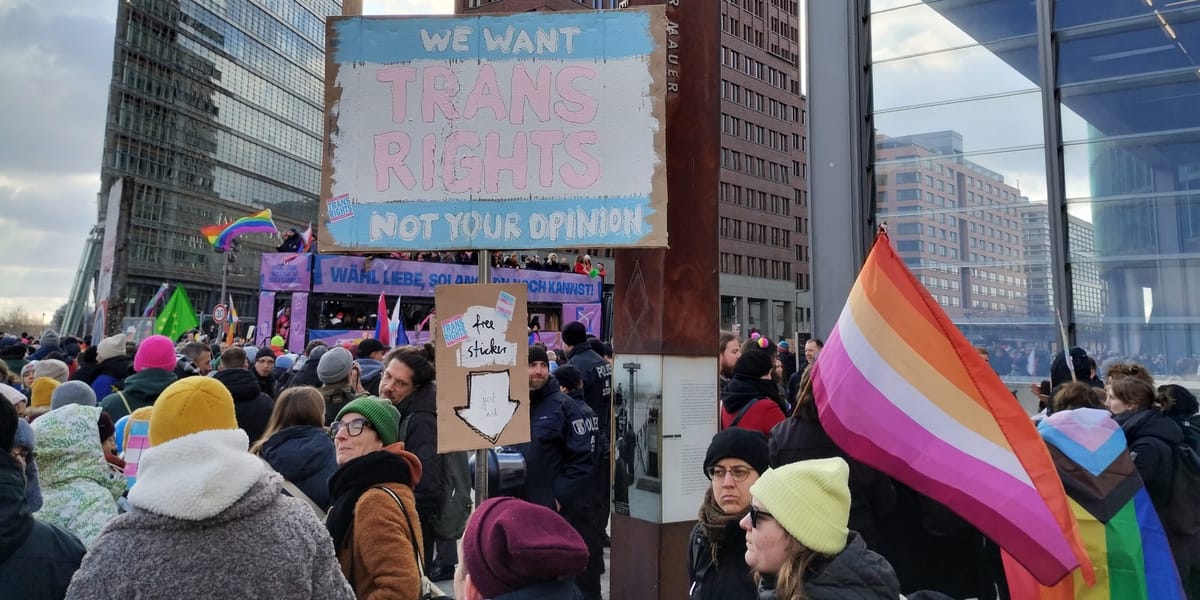
The European Parliament has overwhelmingly backed a landmark resolution affirming that “trans women are women” in a move widely viewed as a decisive statement of support for trans equality across the EU. The non‑binding resolution, adopted in Strasbourg on 12 February with a 340–141 majority and 68 abstentions, sets out the EU’s priorities ahead of next month’s U.N. Commission on the Status of Women in New York.
The text calls for the full recognition of trans women as women and emphasises that their inclusion is “essential for the effectiveness of any gender‑equality and anti‑violence policies.” It also urges EU institutions and member states to ensure equal access for trans women to protection and support services - a stance intended to strengthen EU advocacy for LGBTQ+ rights on the global stage.
A proposed amendment that sought to specify that “only biological women can become pregnant” was firmly rejected, with 233 MEPs voting against it. Supporters of the main resolution say the defeat of the amendment underscores the Parliament’s commitment to gender self‑identification as a guiding principle in its equality and human‑rights policy.
Although non‑binding, the resolution carries political weight. It is expected to influence EU positions at the U.N. session and guide longer‑term equality strategies, funding priorities and diplomatic engagement. Observers note that the resolution also responds to escalating attacks on LGBTQ+ rights across parts of Europe and beyond, with the Parliament explicitly warning of “anti‑gender and anti‑rights movements” undermining democratic values.
Support independent LGBTQ+ journalism
Scene was founded in Brighton in 1993, at a time when news stories about Pride protests were considered radical. Since then, Scene has remained proudly independent, building a platform for queer voices. Every subscription helps us to report on the stories that matter to LGBTQ+ people across the UK and beyond.
Your support funds our journalists and contributes to Pride Community Foundation’s grant-making and policy work.
Subscribe today


Comments ()