

Europe reaches new low as LGBTQ+ people face renewed criminalisation, report warns
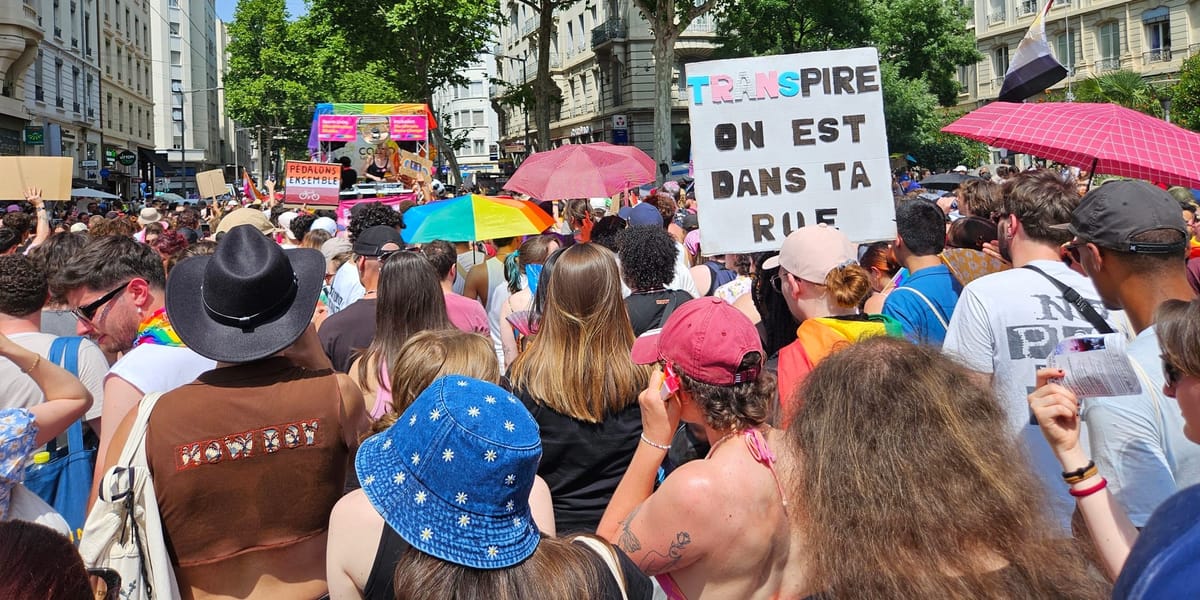
Europe is entering a dangerous new phase of democratic backsliding, with LGBTQ+ communities increasingly targeted through criminalisation, censorship and the misuse of state powers, according to a major annual report published today by ILGA‑Europe.
The organisation’s Annual Review documents a sharp intensification of state-led measures against LGBTQ+ people over the past year, marking what it describes as a shift from isolated incidents to “systemic suppression of dissent and individual freedoms”.
Katrin Hugendubel, ILGA‑Europe’s Deputy Director and Advocacy Director, said the findings reflected “a pattern that is familiar from history”.
“Over the past ten years, ILGA‑Europe’s Annual Reviews have traced a pattern: propaganda, scapegoating and disinformation escalate into the denial of basic rights, which has now translated into laws that criminalise and silence,” she said. “While the pace and intensity vary across countries, the underlying trajectory is unmistakable and deeply concerning.”
According to the report, several governments have begun to formalise measures previously used ad hoc to marginalise LGBTQ+ organisations. These include criminal investigations, restrictions on civil society funding, and the deployment of courts and administrative powers to stifle advocacy.
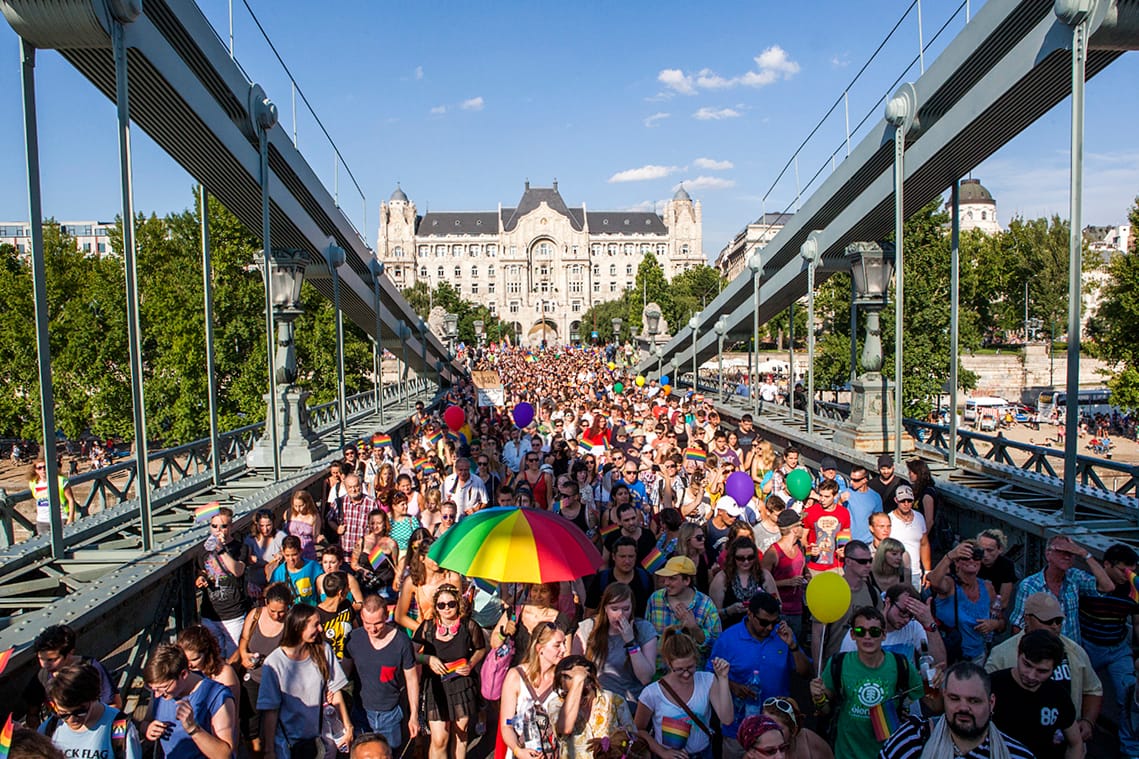
In Hungary, the mayor of Budapest was investigated for his role in organising Pride, resulting in an indictment; similar proceedings were launched against a Pride organiser in Pécs. Turkey saw 11 activists from the Young LGBTI+ Association charged under the Associations Law, while journalists covering LGBTQ+ issues now face probes under disinformation legislation. Among them is the Editor-in-Chief of KaosGL.org, who was arrested on suspicion of membership of a terrorist organisation.
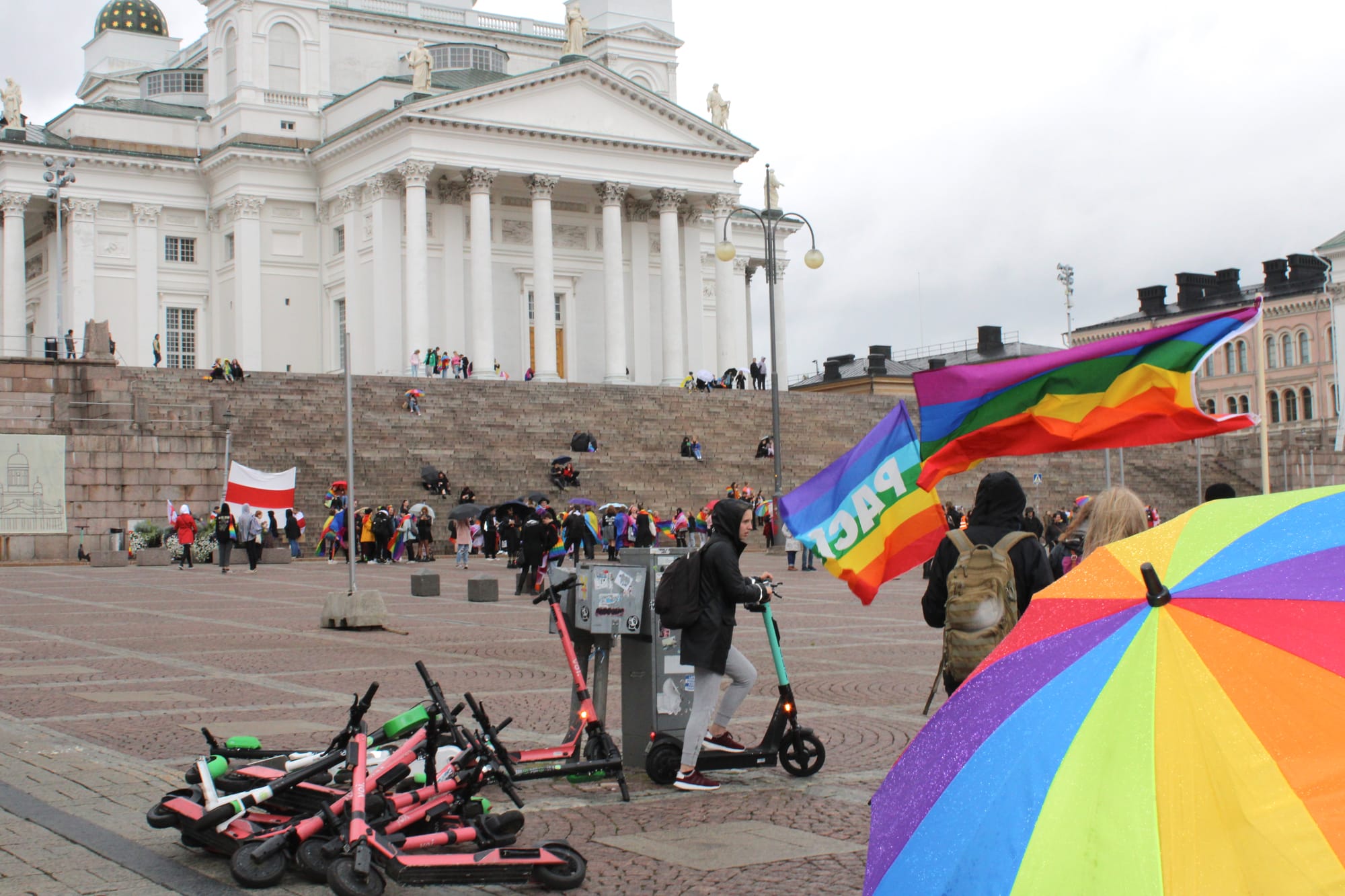
Belarus introduced amendments classifying “propaganda” of homosexuality and gender reassignment as harmful to children, laying the legal groundwork for criminal charges. Kyrgyzstan proposed prison sentences for sharing information deemed to create a “positive attitude” towards so-called non-traditional sexual orientation. In Russia, authorities escalated enforcement of the 2023 designation of the “international LGBTQ+ movement” as an extremist organisation, resulting in raids, prosecutions, website blocks and the creation of a database of LGBTQ+ individuals.
The report notes that the repression increasingly extends beyond LGBTQ+ communities. In Turkey, Council of Europe Youth Delegate Enes Hocaoğulları was arrested after criticising police violence and democratic backsliding before the Council.
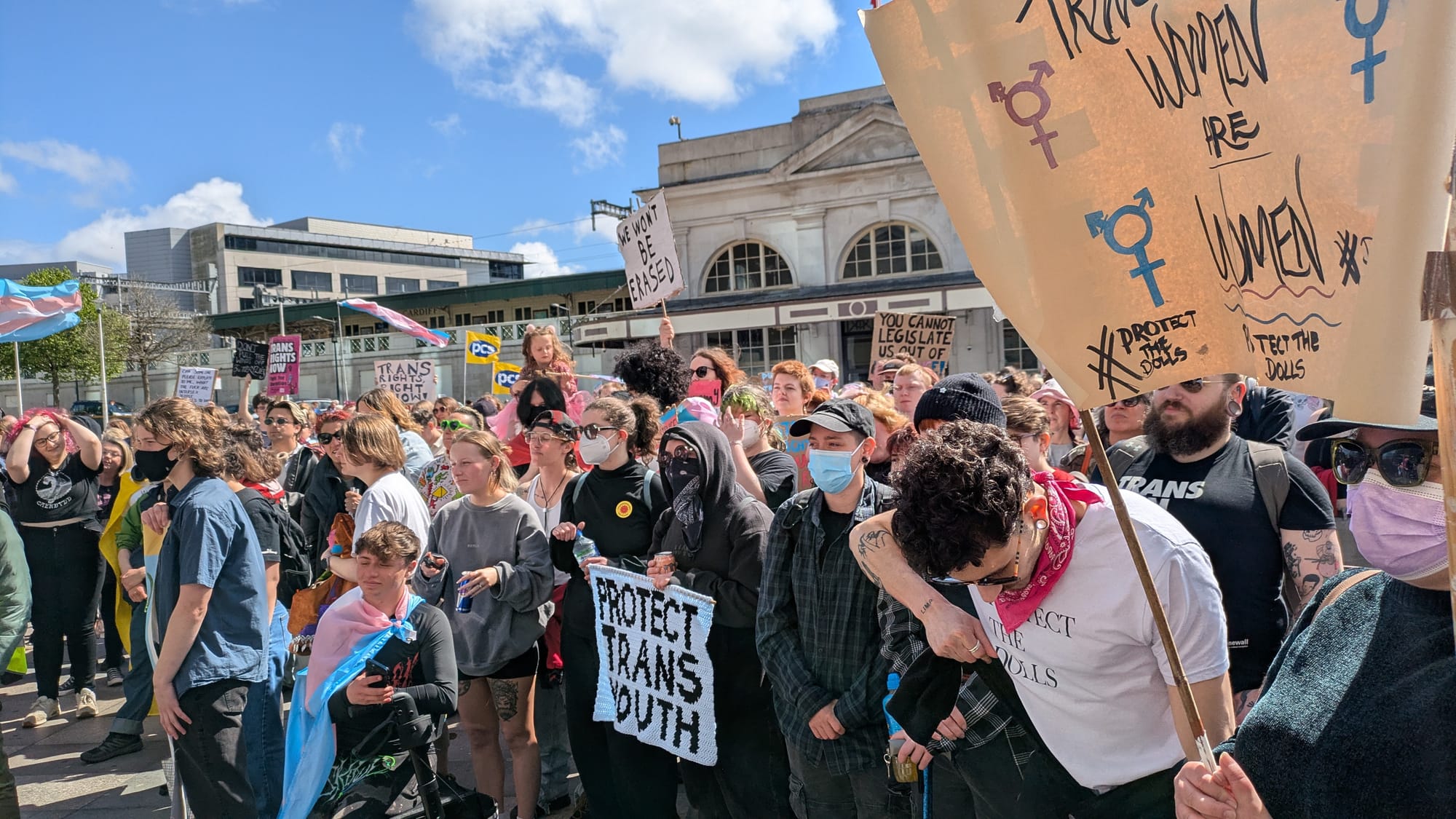
ILGA-Europe warns of a Europe-wide retreat from rights-based governance, particularly affecting trans and gender-diverse people. A growing number of policies hinge on the assertion that only two biological sexes exist, fixed at birth - a framework that effectively strips trans people of legal recognition and restricts access to healthcare, documentation and equal treatment.
Among the most significant developments in 2025 were the UK Supreme Court’s ruling interpreting “woman” and “sex” as referring solely to biological sex; amendments to Hungary’s constitution defining sex as immutable; and legislative moves in Georgia to remove references to “gender” and “gender identity” from equality law.
These trends, the report says, often begin in schools and youth settings. Hungary’s Child Protection Act restricts educational content deemed to “promote deviation” from sex assigned at birth or homosexuality. Similar pressures are emerging elsewhere, with Italian school projects on gender identity facing political backlash, and equality initiatives in France and Germany coming under renewed scrutiny.
Despite the bleak outlook, ILGA‑Europe highlights examples of progress. In Poland, the final remaining “LGBTI‑free zone” resolution was repealed in April, formally closing a chapter widely criticised by European institutions. Meanwhile, Spanish regional parliaments have pushed back against attempts by the far-right party Vox to dismantle equality protections.
“These examples show that backsliding is not inevitable,” the report notes. “Where political will exists, institutions can still act decisively to uphold human rights.”
Hugendubel issued a stark warning: “The human rights safeguards established after the Second World War are now in serious jeopardy. This is not about so-called ‘wokeism’ or ideology. It is about real people being targeted and persecuted. Our leaders must respond with urgency. Without decisive action, we face a rapid and dangerous democratic collapse.”
Support independent LGBTQ+ journalism
Scene was founded in Brighton in 1993, at a time when news stories about Pride protests were considered radical. Since then, Scene has remained proudly independent, building a platform for queer voices. Every subscription helps us to report on the stories that matter to LGBTQ+ people across the UK and beyond.
Your support funds our journalists and contributes to Pride Community Foundation’s grant-making and policy work.
Subscribe today

Comments ()