

English footballer Tony Powell speaks publicly about hiding his sexuality for decades

Former Bournemouth and Norwich City defender Tony Powell has spoken openly about spending most of his life concealing the fact that he is gay, revealing the profound personal cost of keeping his identity secret during a long professional career in English football.
Powell, now 78, played more than 200 matches for Bournemouth before joining Norwich City in 1974, where he went on to make 275 appearances and win the club’s Player of the Season award in 1979.
Powell said he knew his sexuality throughout his playing days in the 1970s and early 1980s, but believed coming out would have been impossible within the culture of the game at the time. He said he kept the truth not only from teammates, but even from his then‑wife and their two daughters.
Despite playing alongside Justin Fashanu, who privately told teammates he was gay years before eventually coming out publicly in 1990, Powell felt he could not follow the same path.
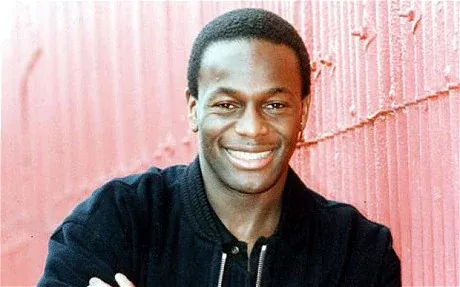
In 1981, Powell abruptly left his family and moved to the United States, joining the San Jose Earthquakes before retiring in 1983. He later settled in West Hollywood, managing the Holloway Motel for 25 years and living largely in isolation, believing his family would reject him if his sexuality became known.
A documentary released in 2025, The Last Guest at the Holloway Motel, uncovered much of his hidden life after filmmakers became intrigued by his solitary existence at the motel. The film also follows his emotional reconnection with his daughters and sisters more than three decades after cutting ties.
Powell’s experiences have also become the subject of wider reporting and discussion, including features exploring the long‑term impact of hiding his identity and the stark cultural differences between football then and now.
He has been described as an example of the pressures faced by gay players in past eras, where the professional game offered no visible route for openly LGBTQ+ players and where the personal risks - both real and perceived - felt overwhelming.
Powell’s story comes at a time when football continues to confront its history regarding LGBTQ+ inclusion. Documentaries and journalistic investigations have highlighted his case as part of a broader reassessment of how many players lived double lives amid fear of discrimination.
Support independent LGBTQ+ journalism
Scene was founded in Brighton in 1993, at a time when news stories about Pride protests were considered radical. Since then, Scene has remained proudly independent, building a platform for queer voices. Every subscription helps us to report on the stories that matter to LGBTQ+ people across the UK and beyond.
Your support funds our journalists and contributes to Pride Community Foundation’s grant-making and policy work.
Subscribe today

Comments ()