

"Does the Scottish Government wish to champion progress for trans rights, or not?"
Equality Network and Scottish Trans are inviting LGBTQ+ people, along with their friends, families and allies, to ask the Scottish Government how it wishes to be remembered
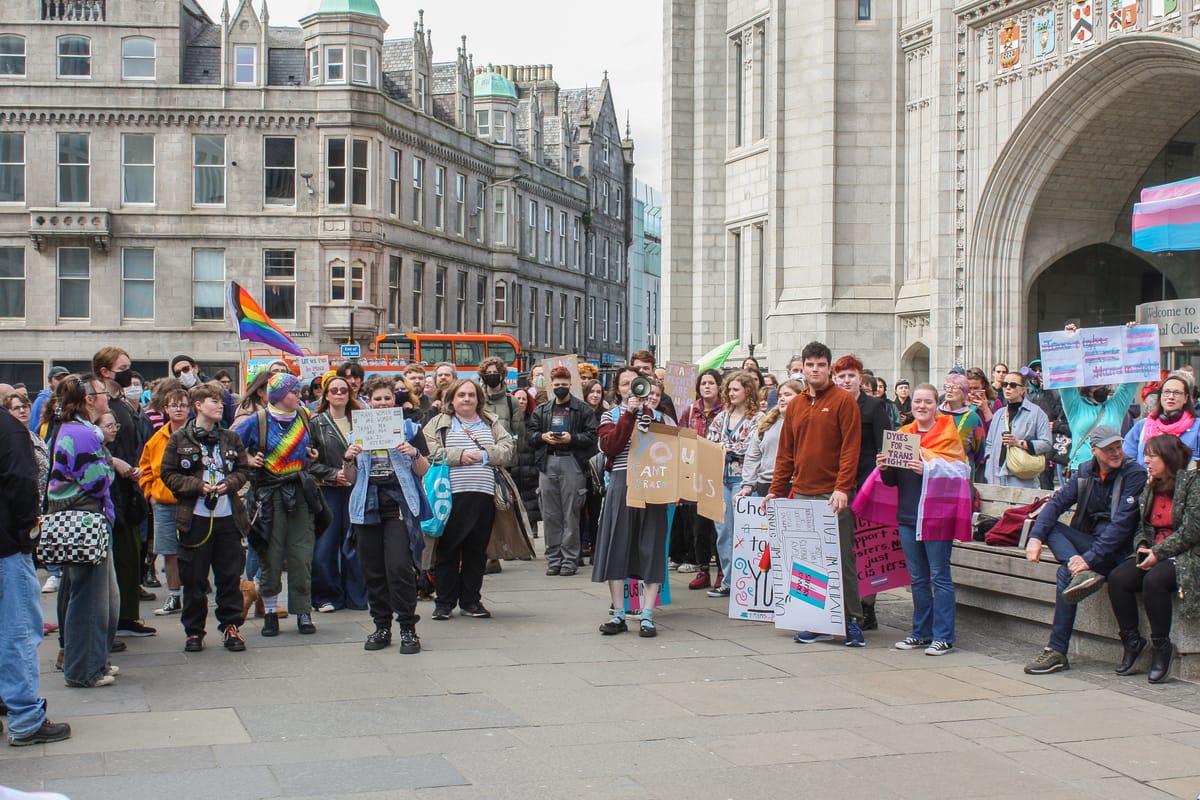
February is LGBTQ+ History Month, and Equality Network and Scottish Trans are inviting LGBTQ+ people, along with their friends, families and allies, to ask the Scottish Government how it wishes to be remembered: as a government that stood up for marginalised communities, or one that stood by while trans people’s rights were challenged across the UK.
The organisations are clear that misogyny and the violence and harassment experienced by women and girls must be addressed across Scottish society. They strongly supported the Misogyny Bill - now delayed indefinitely - and continue to emphasise the importance of protecting women from the disproportionate harm they face.
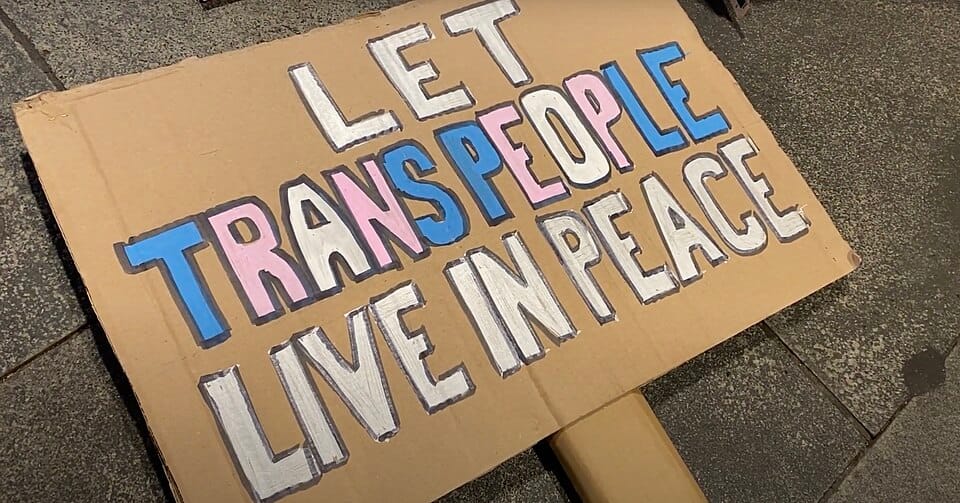
Last week, however, instead of progressing the Misogyny Bill, the Scottish Government laid a Scottish Statutory Instrument (SSI) to add “sex” as a characteristic within hate crime legislation. In doing so, the Government adopted a definition of sex as “biological sex at birth” - the first time any government in the UK has used such a definition in legislation. This wording expressly excludes trans people’s gender recognition within this context.
The Government has stated that this approach follows the UK Supreme Court’s judgment from April. However, the Supreme Court was explicit that its ruling applied solely to the Equality Act. In the Court’s own words, “it is not the role of the court to adjudicate on the arguments in the public domain on the meaning of gender or sex”.
Equality Network and Scottish Trans have expressed "deep concern" about the decision. Since the ruling, uncertainty about the future of trans people’s equality and human rights has grown across the UK. International human rights bodies have also raised alarms about the UK’s trajectory. Many trans people are already experiencing heightened exclusion, harassment and discrimination, particularly when trying to access everyday spaces and services.
By becoming the first government in the UK to embed this definition in law, Equality Network and Scottish Trans believe the Scottish Government risks further harm to trans people, including extending the implications of the Supreme Court ruling into devolved areas that are not connected to the Equality Act or reserved matters.
Does the Government wish to champion progress for trans rights, or not?
Although trans women would still be protected from sexist hate crime - as such cases rely on how an incident is perceived - the inclusion of “biological sex at birth” in Scottish law undermines legal gender recognition and sets a concerning precedent for further restrictions on trans people’s rights.
Vic Valentine, Manager of Scottish Trans, said: “Since April’s Supreme Court ruling, trans people all across Scotland have been feeling scared and anxious about what it will mean for our daily lives. Simple, everyday moments - like trying on clothes or using a toilet in a café - have become sources of worry.
"Against that backdrop, it’s incredibly difficult to understand why the Scottish Government has chosen to copy the Supreme Court’s definition of ‘sex’ into hate crime legislation - a step that appears entirely unnecessary. For a government that has often described itself as a leader on LGBTQ+ equality, this decision does not sit comfortably with that claim.”
Rebecca Don Kennedy, CEO of the Equality Network, added: “Despite messages to the contrary, the Scottish Government seems to be placing the rights and wellbeing of trans people in Scotland into further doubt. Does the Government wish to champion progress for trans rights, or not?
"Do they want to prevent overreach and avoid further harm arising from the ruling, or not? This decision raises those questions. They were not required to take this approach, and we do not believe it was the right one. These actions feel at odds with the commitment to protect marginalised communities - and may also have introduced technical issues within the legislation.”
Support independent LGBTQ+ journalism
Scene was founded in Brighton in 1993, at a time when news stories about Pride protests were considered radical. Since then, Scene has remained proudly independent, building a platform for queer voices. Every subscription helps us to report on the stories that matter to LGBTQ+ people across the UK and beyond.
Your support funds our journalists and contributes to Pride Community Foundation’s grant-making and policy work.
Subscribe today

Comments ()