

Canada has NOT officially expanded LGBTQ+ acronym to MMIWG2SLGBTQQIA+
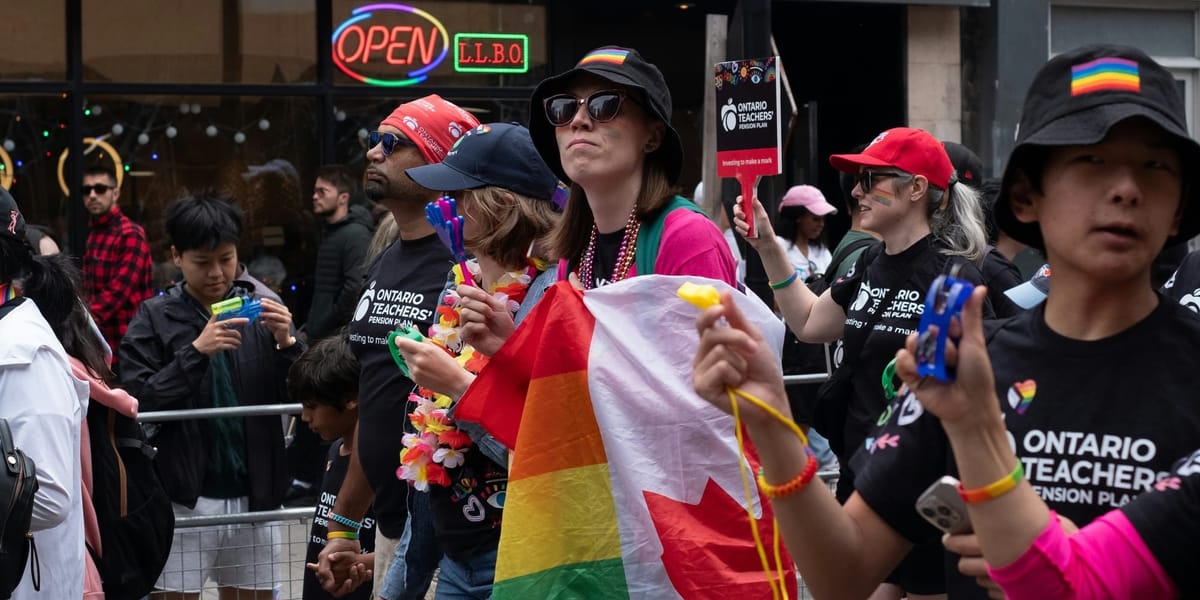
Canada has rejected claims circulating online that it has officially expanded the LGBTQ+ acronym to the far longer MMIWG2SLGBTQQIA+, following a surge of public debate triggered by a viral press conference clip.
The controversy began when Member of Parliament Leah Gazan used the extended acronym during remarks on federal budget cuts affecting Indigenous women’s organisations. Gazan, speaking on 8 April, referenced the term while condemning what she described as government inaction on violence faced by Indigenous and gender‑diverse communities.
Her use of the acronym - combining references to Missing and Murdered Indigenous Women and Girls (MMIWG), Two‑Spirit identities, and a broad range of LGBTQ+ identities - quickly spread online and prompted widespread commentary.
The expanded acronym includes:
• MMIWG — Missing and Murdered Indigenous Women and Girls
• 2S — Two‑Spirit
• LGBTQ+ identities such as lesbian, gay, bisexual, transgender, queer, questioning, intersex, and asexual
Supporters argue that such terminology acknowledges historically marginalised groups, while critics say it is unwieldy and cumbersome for everyday use.
However, despite the online speculation, Canada has not officially changed its acronym. Fact‑checking reports clarify that the federal government has not adopted the MP’s phrasing, and claims suggesting an official update to “MMIWG2SLGBTQQIA+” are incorrect.
Canada continues to use 2SLGBTQI+ in its official documentation and equality initiatives - an acronym that has been the federal standard for some time. Government resources, including those from Women and Gender Equality Canada, still reference this established terminology across programmes, policy communications, and inclusion campaigns.
Confusion appears to have stemmed from the rapid spread of the video clip, amplified by high‑profile social media reactions. While Gazan’s use of the extended acronym aligns with the context of her speech on Indigenous and gender‑diverse communities, it does not reflect any formal policy revision.
Support independent LGBTQ+ journalism
Scene was founded in Brighton in 1993, at a time when news stories about Pride protests were considered radical. Since then, Scene has remained proudly independent, building a platform for queer voices. Every subscription helps us to report on the stories that matter to LGBTQ+ people across the UK and beyond.
Your support funds our journalists and contributes to Pride Community Foundation’s grant-making and policy work.
Subscribe today
Comments ()