

Bridget Phillipson accused of delaying government guidance on single‑sex spaces to protect political prospects
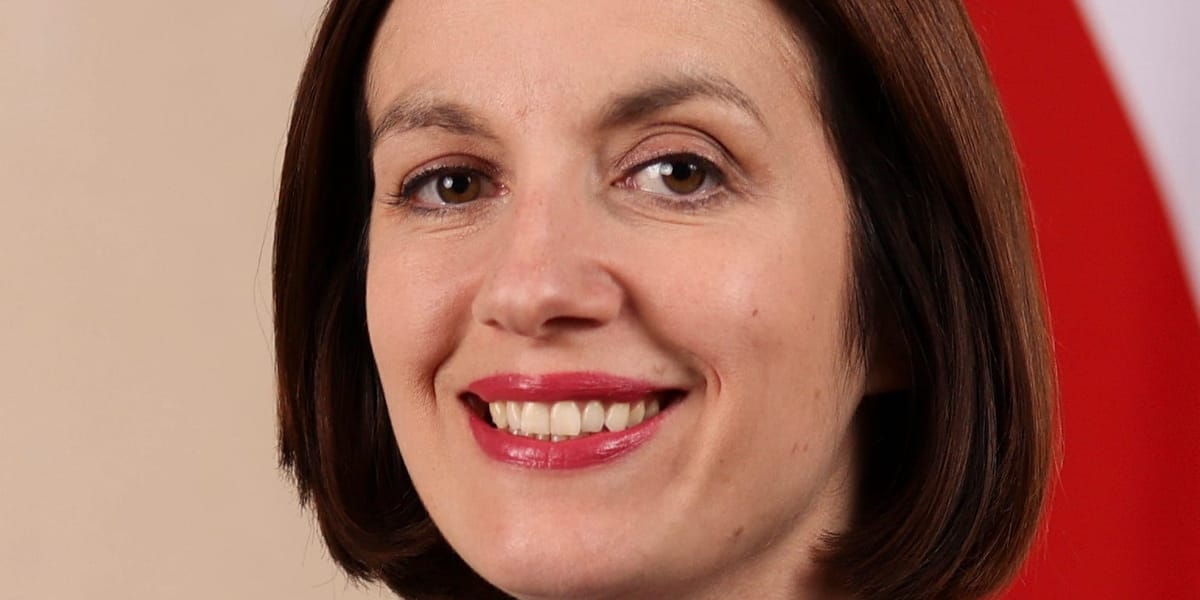
Bridget Phillipson, Women and Equalities Minister, is facing accusations from Baroness Kishwer Falkner and other critics who claim she is delaying government guidance on single‑sex spaces - allegedly to protect her own political prospects.
According to reporting, Falkner alleges that the Labour MP has been “putting her personal ambition” ahead of publishing statutory guidance drafted by the Equality and Human Rights Commission (EHRC), claiming the minister is fearful of alienating pro‑trans Labour MPs whose support she may require for future promotion.
Phillipson herself has pushed back against the accusations, calling them “politically motivated smears” and insisting that the EHRC only recently provided key documentation needed to complete the review process. She argues the Government must “get this right” rather than rush out guidance that could compromise fairness, legality or the rights of vulnerable groups. According to The i Paper, she also notes that more than thirty Labour MPs have raised concerns that the draft guidance could open the door to discrimination against trans people.
For many LGBTQ+ organisations, the broader issue is not whether guidance is published quickly, but whether it is shaped by evidence, compassion and fundamental rights - rather than moral panic. Critics of the EHRC’s proposals argue that codifying the exclusion of trans women from public life contradicts the Commission’s own remit and risks legitimising hostility that is already rising across the UK.
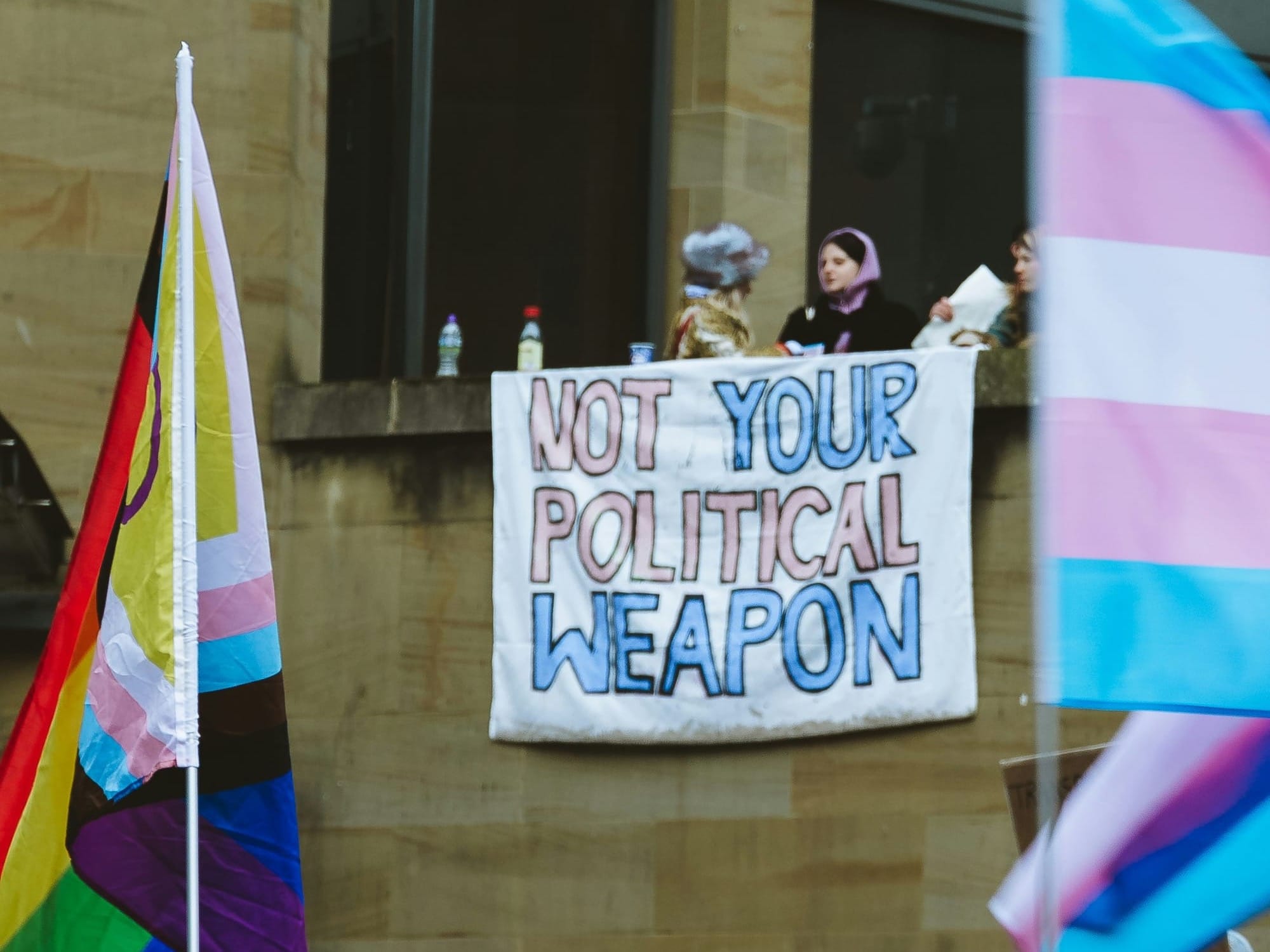
Debate over single‑sex spaces and trans inclusion has been intensifying in the UK for several years. The issue gained new momentum following a Supreme Court judgment defining “woman” as a biological category under the Equality Act - a ruling that prompted the EHRC to publish an interim update in 2025 for public bodies ranging from hospitals to gyms.
Reacting to the interim update, trans rights charity Mermaids said in April 2025: "We are deeply concerned about this interim update, which will have significant negative impacts for trans, non-binary and intersex children, young people and adults, from where they get changed for PE, to which toilets they use at school or in public and even which youth organisations and clubs they can join.
"No young person deserves to live in fear or face intrusive questioning when trying to access facilities and exist in public.
"The EHRC is contributing to the culture of bullying, abuse and harassment which trans people already face.
"We know that a quarter of trans students experience transphobia at school or college, with almost half finding it harder to attend because of experiencing transphobia. This update from EHRC will embolden those bullies. The EHRC did not speak with any trans organisations following the Supreme Court’s judgement and have committed to only a two-week consultation on their Code of Practice."
Support independent LGBTQ+ journalism
Scene was founded in Brighton in 1993, at a time when news stories about Pride protests were considered radical. Since then, Scene has remained proudly independent, building a platform for queer voices. Every subscription helps us to report on the stories that matter to LGBTQ+ people across the UK and beyond.
Your support funds our journalists and contributes to Pride Community Foundation’s grant-making and policy work.
Subscribe today
Comments ()