

Billy Porter warns that Black, queer artists are being “squeezed out” in Trump’s America
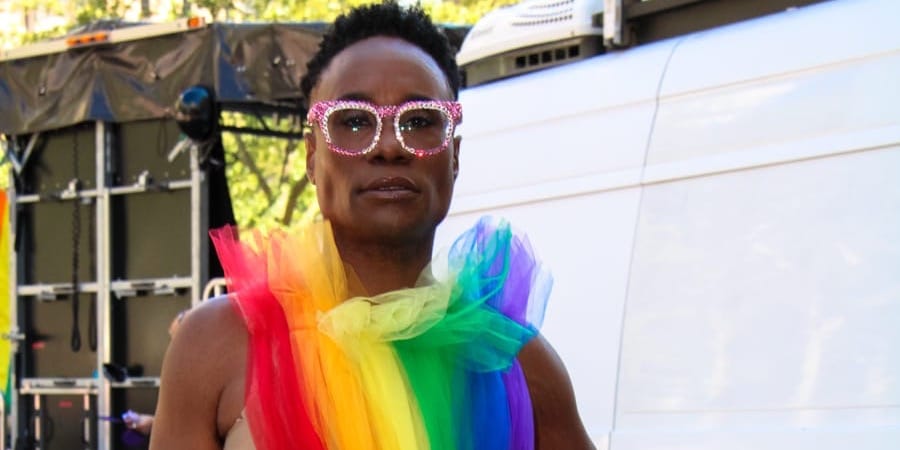
Actor, singer, and LGBTQ trailblazer Billy Porter has issued a stark warning that creative opportunities for Black and queer artists are “slowly drying up” under President Donald Trump’s cultural agenda. Speaking at a series of high‑profile protests in Washington, D.C., Porter's remarks have amplified fears that the administration’s policies are undermining artistic freedom and silencing marginalised voices.
Porter joined demonstrations outside the John F. Kennedy Center for the Performing Arts, where artists and activists protested sweeping changes to the institution, including mass staffing cuts and a planned two‑year closure following a reorientation of programming under Trump’s oversight.
In an appearance on MSNBC’s PoliticsNation with Al Sharpton, Porter emphasised that the arts have historically been an early target for authoritarian regimes, precisely because creative expression fosters empathy and challenges dominant power structures. “The arts have the power to reach inside of people and change the molecular structure from the inside out,” he said, adding that such influence is “dangerous for fascists - and they know it.”
He stressed that while it may be “early” to fully measure the long‑term effects of the administration’s cultural shifts, the impact is already visible in the careers of marginalised performers. As an openly gay Black artist, Porter described previously breaking through “concrete” creative ceilings during a period of what he characterised as “performative wokeness,” only to now witness those hard‑won opportunities evaporating.
Porter noted a sharp contrast between mainstream television formulas - which continue unaffected - and more diverse, emotionally resonant storytelling. While the industry still churns out familiar police dramas and network procedurals, he argued there is “not a lot of that work going on right now” when it comes to stories centred on communities “that don’t look like everybody else.”
According to Porter and fellow activists, this shift coincides with broader structural attacks on arts and culture, including funding cuts across museums, public broadcasting, the National Endowment for the Arts, and the National Endowment for the Humanities. These reductions have already resulted in more than 1,200 cancelled grants supporting community history projects, public lectures, and youth arts initiatives.
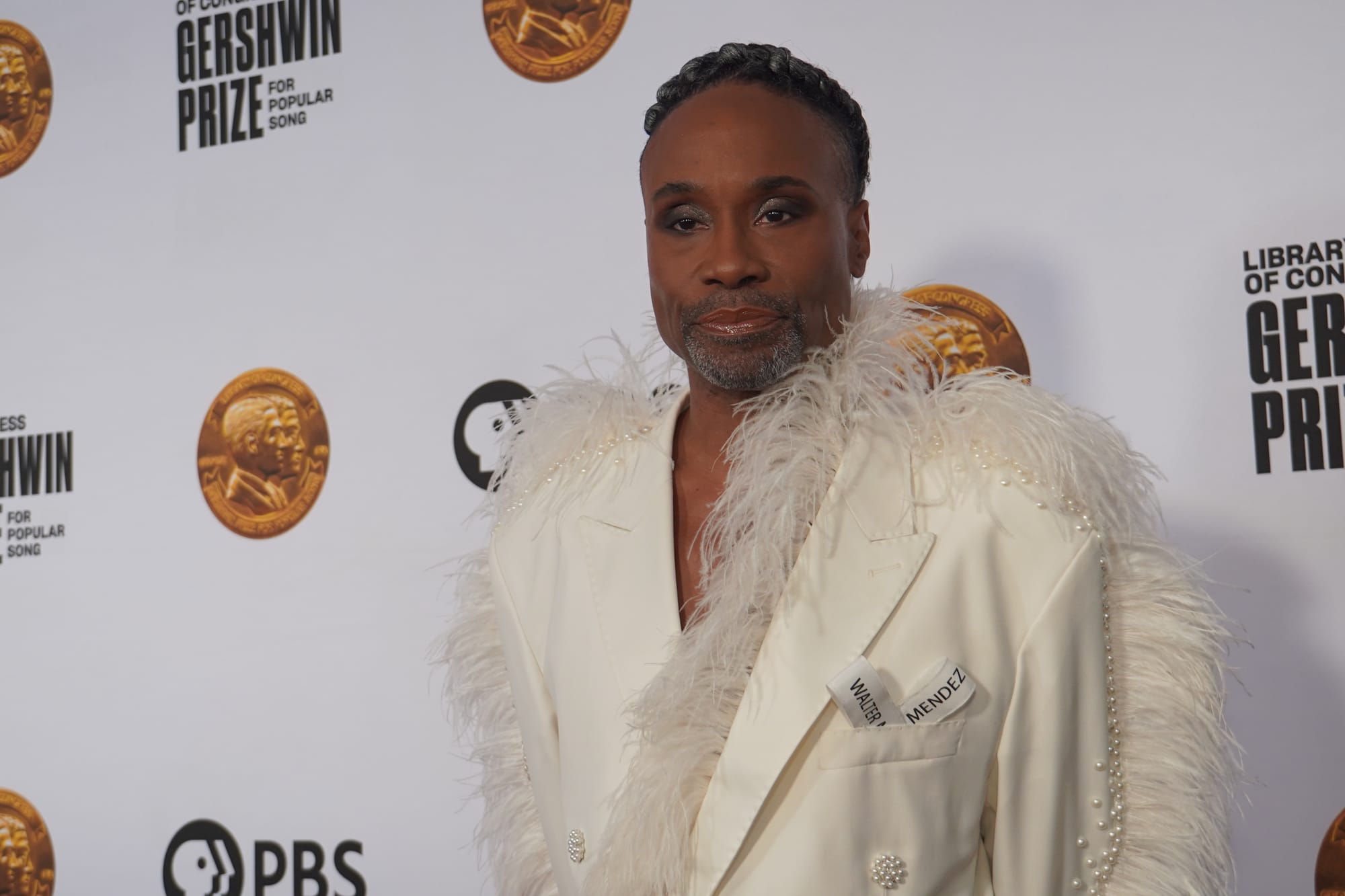
The rally at the Kennedy Center formed part of the nationwide “No Kings” demonstrations, one of the largest single‑day mobilisation efforts in recent U.S. history. Organisers estimated that more than eight million people participated across all 50 states, protesting issues ranging from immigration crackdowns and executive overreach to the administration’s handling of arts and cultural policy.
Prominent figures including Jane Fonda, Joan Baez, Jim Acosta, Maggie Rogers, and Sam Waterston joined Porter in condemning the Trump administration’s cultural trajectory. Fonda criticised what she called the “racist erasure of history” and underscored the threat posed by cuts to arts institutions and the removal of public monuments and educational materials.
Despite the challenging climate, Porter emphasised that the “No Kings” protests left him feeling “hopeful again,” praising the collective fight to protect artistic independence. He urged communities - especially LGBTQ and Black creatives - to “come together and save the arts” in the face of an administration he said “does not follow the rules” or respect the cultural sector’s vital public role.
Support independent LGBTQ+ journalism
Scene was founded in Brighton in 1993, at a time when news stories about Pride protests were considered radical. Since then, Scene has remained proudly independent, building a platform for queer voices. Every subscription helps us to report on the stories that matter to LGBTQ+ people across the UK and beyond.
Your support funds our journalists and contributes to Pride Community Foundation’s grant-making and policy work.
Subscribe today
Comments ()