

Bangor University students take stand against Reform UK over party's "racist, transphobic and homophobic” views
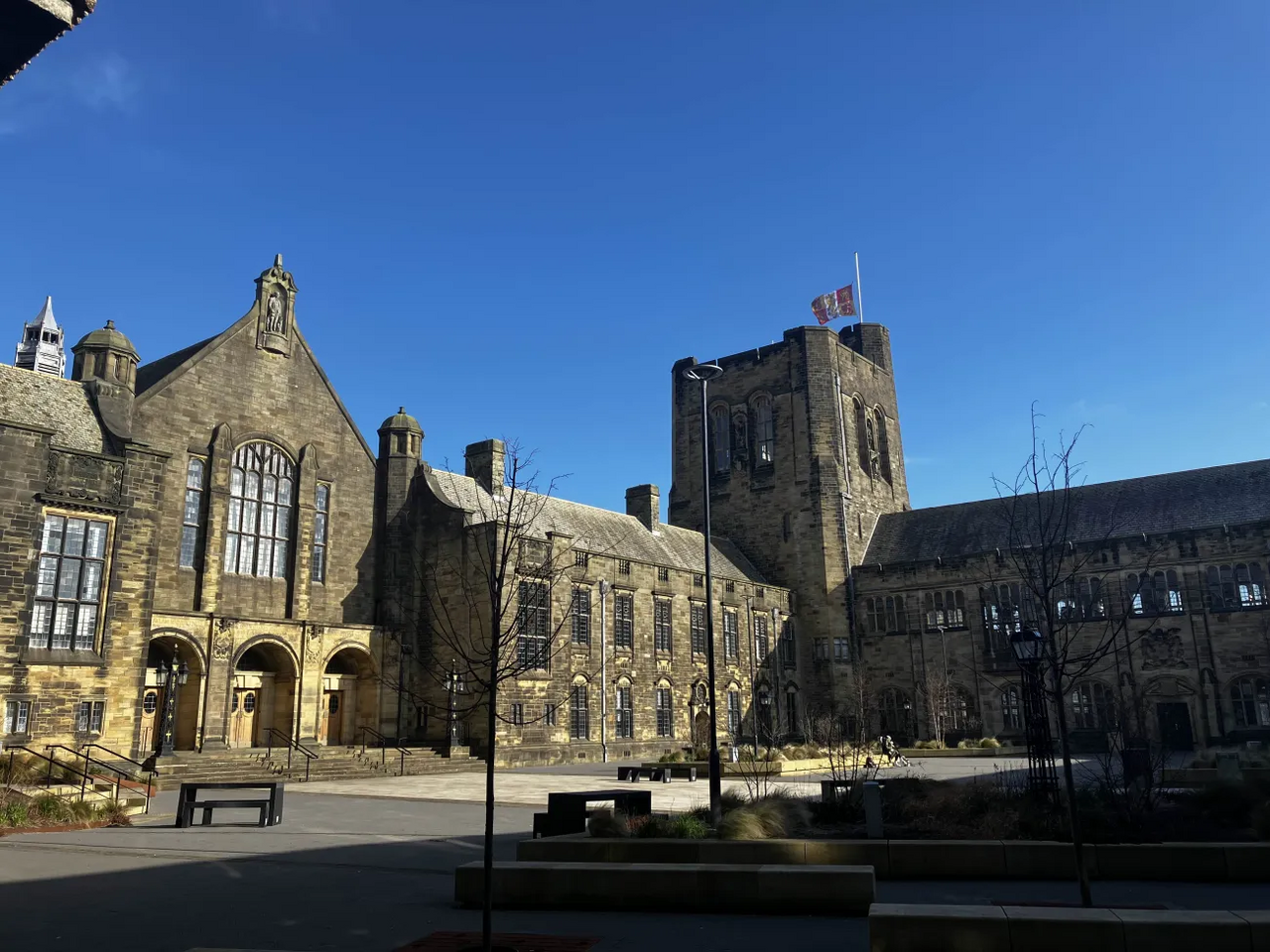
A student‑run debating society at Bangor University has refused a request from Reform UK representatives to attend a campus Q&A session, citing the party’s record of racism, transphobia and homophobia.
The Bangor University Debating & Political Society, which operates independently through the Students’ Union, said the decision aligned with its long‑held values of inclusive debate and its commitment to creating a welcoming environment for marginalised groups, including trans students.
In a public statement, the society said it maintains zero tolerance for discriminatory rhetoric and argued that Reform UK members had repeatedly promoted views incompatible with respectful democratic discussion.
The refusal quickly spread across social media, drawing support from LGBTQ+ students and allies who praised the society for prioritising student safety and rejecting platforms for groups perceived as hostile to trans people.
Bangor University have banned Reform and called us “racist, transphobic and homophobic”.
— Zia Yusuf (@ZiaYusufUK) February 9, 2026
Bangor receives £30 million in state funding a year, much of which comes from Reform-voting taxpayers.
I am sure they won’t mind losing every penny of that state funding under a Reform… pic.twitter.com/piUPlBzEcY
Reform UK officials reacted angrily, with the party’s head of policy, Zia Yusuf, accusing the university of effectively labelling the party bigoted and warning that the institution’s public funding could be at risk under a future Reform UK government. He claimed Bangor receives around £30 million a year in state funding.
His remarks drew swift criticism from observers who argued that threatening university funding over a student society’s decision undermines the principles of free speech Reform UK claims to defend.
The university itself moved quickly to clarify that the decision belonged entirely to the student society and did not represent official university policy. It reiterated that it remains politically neutral and supports free speech across the political spectrum.
This clarification followed claims - primarily from Reform UK supporters - that the university had issued an institutional “ban”, something Bangor firmly denied.


Comments ()