

Anas Sarwar vows to ban trans prisoners from women’s jails ‘within days’ if he becomes First Minister
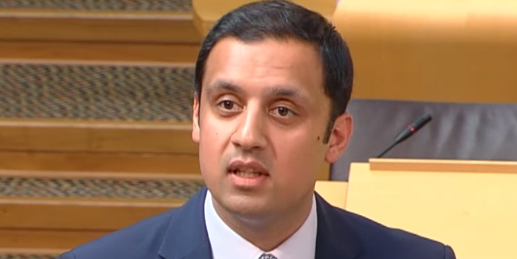
Scottish Labour leader Anas Sarwar has stated that he would move to ban trans prisoners from women’s jails “within days” if he were to become First Minister - a position that has prompted concern among LGBTQ+ groups and equality campaigners who warn it risks deepening stigma and misunderstanding of Scotland’s trans community.
Sarwar’s pledge centres on making the female prison estate strictly single‑sex, defined according to biological sex, meaning trans women - regardless of gender identity or transition status - would be excluded from women’s prisons. He argues this shift is intended to improve safety for women in custody. However, this stance marks a notable departure from his previous support for gender recognition reforms and is seen by some as part of a broader political pivot at a time of heightened debate around trans rights in Scotland.
Sarwar’s position emerges amid an ongoing legal challenge brought by For Women Scotland, which argues that existing Scottish Prison Service guidelines allowing some trans women to be housed in female prisons are unlawful. The Scottish Government, by contrast, maintains that a blanket ban would breach the rights of some trans prisoners, including protections around privacy and discrimination under human rights law.
Equality‑focused commentators have noted that the Government’s stance aligns with the European Convention on Human Rights (ECHR), which SNP ministers argue could be violated if trans women were barred outright from the female estate. They emphasise that current guidance already restricts placement of trans prisoners, ensuring that trans women cannot be housed in female prisons if they have harmed or pose a risk to women or girls.
Trans‑supportive organisations and human rights advocates have responded with alarm to Sarwar’s pledge, warning that such measures risk escalating public fear and reinforcing the misconception that trans women pose an inherent threat in women’s spaces - an assumption not supported by the evidence‑based risk frameworks already used by the Scottish Prison Service.
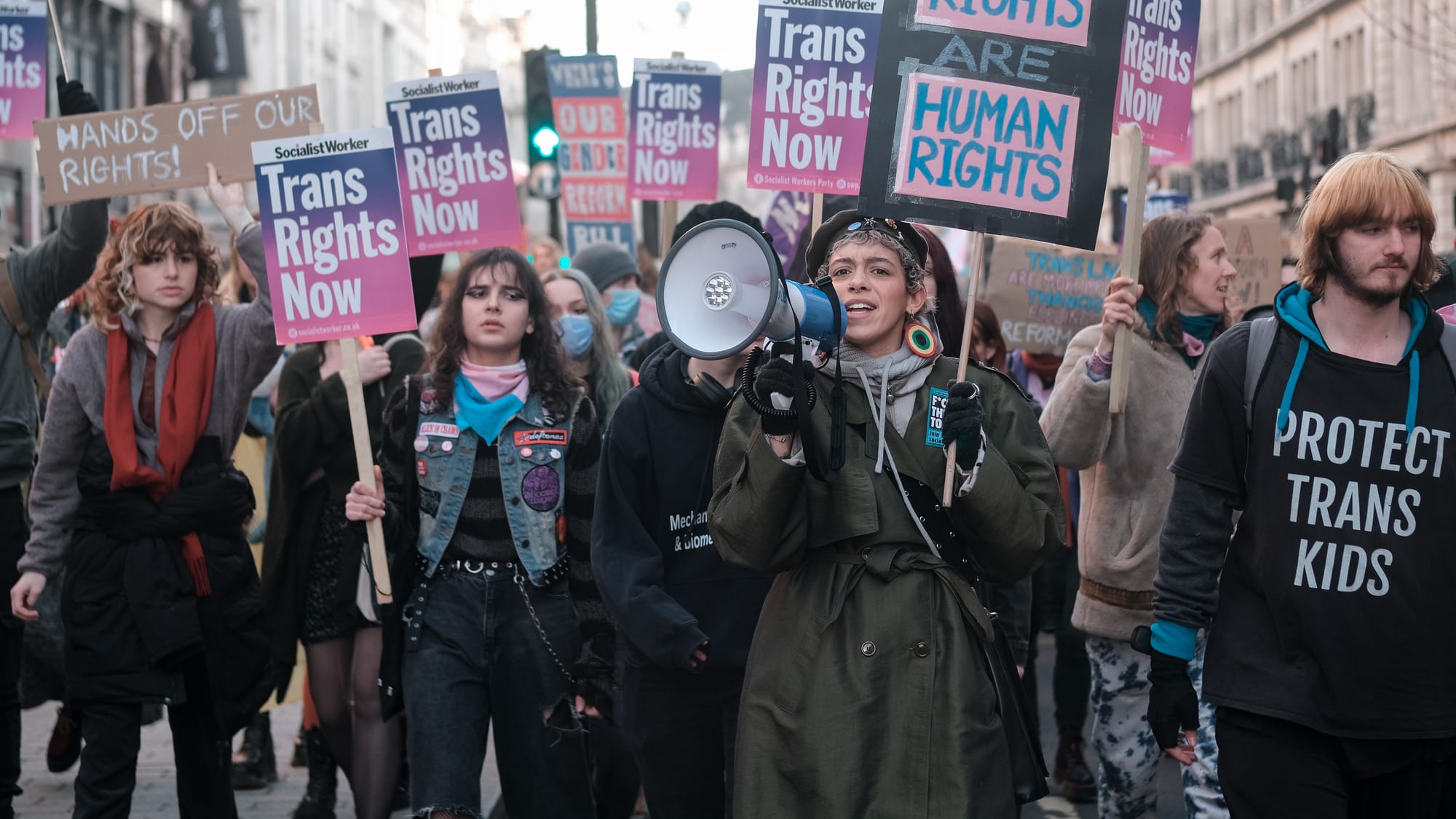
Campaigners argue that trans individuals in custody are themselves at heightened risk of abuse and violence, particularly in male prisons, and that decisions about placement should continue to be based on individualised risk assessments, not blanket prohibitions.
Sarwar’s announcement also represents a significant shift from his party’s earlier backing of gender self‑identification reforms. In 2022, Scottish Labour MSPs were whipped to support the SNP Government’s Gender Recognition Reform Bill, and Sarwar dismissed claims that he was now attempting to “rewrite history” around that support.
Critics within the pro‑trans community view this new position as reflective of a broader trend: political leaders retreating from previous commitments to trans equality amid growing culture‑war pressures. They warn that the rights of a small and vulnerable group should not be subject to fluctuating public or political sentiment.



Comments ()