

ADHD and Rejection Sensitivity: Ways To Cope Long-Term
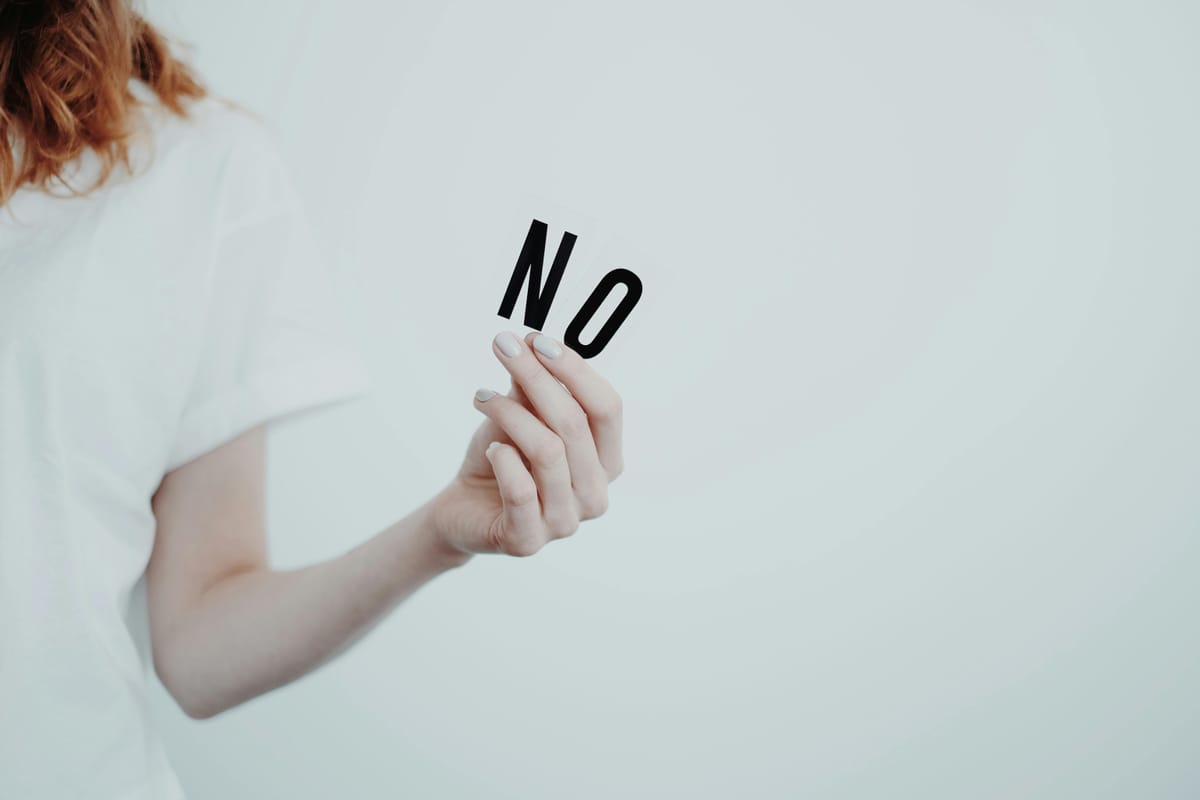
No one likes being criticised or rejected. However, for some, this fear can trigger an overwhelming and painful emotional response that feels impossible to control. It’s one thing to feel sad over those scenarios and another to spiral out of control. The latter is called rejection sensitivity, and it’s more common in people with ADHD than you’d think. Here’s what you need to know and ways to cope.
Dealing With Rejection-Sensitive Dysphoria
Rejection sensitivity is different from emotional dysregulation, which is more commonly seen as an emotional management problem. Rejection sensitivity is characterised by intense negative feelings when faced with rejection.
Rejection-sensitive dysphoria (RSD) takes it up a notch, as the pain can feel much more intense and overwhelming. Since RSD isn't an official medical condition or diagnosis, there’s also limited research on it, which can cause people with it to feel invalidated or alone in their experiences.
People Likely to Face Rejection Sensitivity
People with attention deficit hyperactivity disorder (ADHD) are likely to show symptoms of RSD. Ohio State University psychiatrist and behavioural health specialist Eugene Arnold noted that the link can be attributed to differences in brain structure, specifically the part of the brain responsible for attention, language, social skills and more.
If you are in a gender minority, you may also deal with ADHD symptoms. A 2025 study found that transgender and gender-questioning individuals often have higher ADHD symptom scores compared to their cisgender peers. Higher stress and depression due to the threat of violence, discrimination and other social challenges are potential reasons for this.
People with high-functioning autism may also have RSD. ADHD impacts 30% to 50% of autistic individuals. This is significant because both neurodevelopmental conditions can impact executive functioning, making it difficult to regulate emotional responses and correctly interpret social cues — two key factors that contribute to the intense experience of rejection sensitivity.
There are other telltale signs that you could be struggling with rejection sensitivity or RSD, including being a strong people-pleaser or having a lack of confidence. Physical outbursts due to emotion could also be a sign of RSD.
Rejection sensitivity can also manifest as a constant state of being on guard or feeling fearful. Some people may even develop a dismissive-avoidant attachment style in relationships to protect themselves from possible rejection or pain.
How to Cope With RSD
While managing RSD can be challenging, there are ways you can improve at processing and managing those feelings.
1.Consider Medication
RSD itself is not treatable. However, because it’s linked to ADHD, getting the medication for that could help manage how you perceive and navigate rejection in the future. A 2025 study finds that ADHD prescriptions have increased 18% annually since the pandemic.
Make sure that you discuss your experience with ADHD and rejection sensitivity in detail with your doctor. They can help understand your brain’s response and administer the proper medication to manage those emotions.
2. Look into Getting Professional Help
It’s also worth considering therapy. Cognitive-behavioural and talk therapy can help manage symptoms and give you insight into your emotional responses. Remember to find a medical professional that you trust. Ideally, they should have experience with treating patients with ADHD and rejection sensitivity.
Take each session as a chance to look for patterns and see why exactly you may feel so negatively about rejection. Some people may rush into figuring out the why and how, but remember to take it slow as you confront these thoughts and tackle them.
3. Recognise Your Triggers
During your therapy sessions, understanding your triggers could help you gauge the severity of your RSD. Therapy can also help you recognise the circumstances you immediately perceive as rejection, so you can reframe them as a natural part of life rather than a devastating event.
Some people may think that unanswered messages or long response times from a person they’re getting to know are a form of rejection. Try to consider other elements that might have contributed to the negative feelings.
For example, you might realise that you feel the most hurt when you’re just trying to confide in someone about something important to you. Needing someone to lean on is entirely natural, and it could be an opportunity for healthy communication.
4. Counter Negative Thoughts
Rejection sensitivity can make you have negative thoughts at the speed of light. Rather than jumping to conclusions, it’s essential to step back from this negativity and view it from a calmer perspective.
For instance, when someone takes a long time to respond you you, instead of telling yourself “I’m boring and they don’t like talking to me,” consider the possibility that they’re busy with something or resting. They want to give you their full attention because they care about you.
5. Lead a Healthy Lifestyle
A clearer state of mind can help with ADHD and, ultimately, rejection sensitivity, so consider taking steps to lead a healthier lifestyle. Cutting out alcohol has helped many people, especially since alcohol can slow down brain processing and impact your emotions over time.
Consider replacing this habit with a well-balanced diet and exercise. Getting enough sleep regularly can also give your mind the rest that it needs to process each day and situation with clarity.
6. Seek Support When You’re Ready
Opening up about your rejection sensitivity is a big step. However, it’s important to know that you will find your circle of people who actually understand your feelings and reassure you, whether there are bumps along the way or not.
It can be especially moving when you find other people who understand or have experience dealing with RSD. You can help one another interpret certain situations and coach each other on how to handle your feelings.
7. Learn to be Self-Compassionate
The moments that RSD is in full swing are the hardest to navigate. However, it’s critical to realise that there are feelings so intense they become beyond your control. Be kind to yourself during those times.
It’s ideal to vent it out, but you can also isolate for a short period if you feel more comfortable doing so. You could also console yourself with words like, “This may feel like rejection right now, but I know I’m doing my best and I will feel better soon.”
Manage Your Emotions for the Long-Term
Managing your emotions isn’t easy, especially when they’re as intense as RSD due to ADHD. However, the good news is that it can get better in the long term with the right coping mechanisms. Ultimately, learning to navigate these feelings is a powerful act of self-advocacy that allows you to build a more resilient and authentic life. Follow the tips that speak to you and don’t let rejection get in the way of life.
Support independent LGBTQ+ journalism
Scene was founded in Brighton in 1993, at a time when news stories about Pride protests were considered radical. Since then, Scene has remained proudly independent, building a platform for queer voices. Every subscription helps us to report on the stories that matter to LGBTQ+ people across the UK and beyond.
Your support funds our journalists and contributes to Pride Community Foundation’s grant-making and policy work.
Subscribe today


Comments ()