

Ziggy Hayter: Art that focuses on process, not performance
Nottingham artist Ziggy Hayter on making work that is personal without chasing algorithms
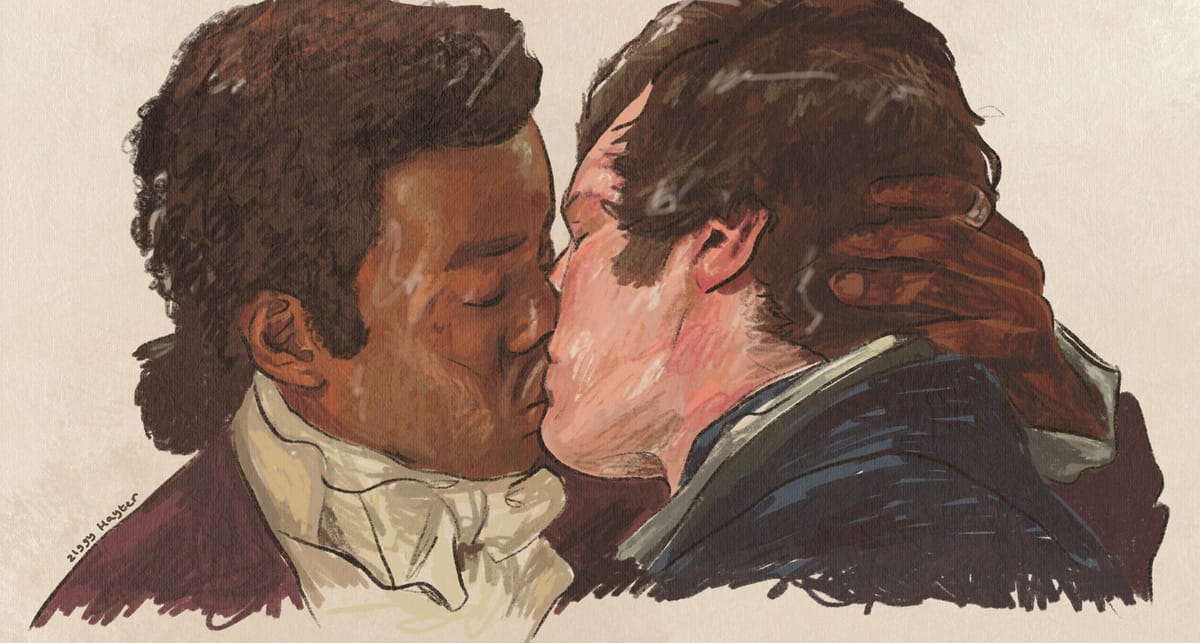
In an online world that rewards speed, volume, and constant self-promotion, some artists have chosen a different way of working: slower, and more rooted in the everyday. Rather than chasing trends or algorithms, they focus on what feels true to them.
I spoke to one of those artists. Eli (Ziggy) Hayter, based in Nottingham, bases their work on a commitment to accessibility, community, and staying grounded. I spoke to them about their practice, and what it means to create work that is personal and deliberately outside the pressure to perform for an audience.
Can you tell me a bit more about yourself and how you'd describe your work to someone encountering it for the first time?
- "I'm a queer disabled trans artist based in Nottingham! I use traditional techniques such as oil pastel, gouache and pencil to capture the little moments of everyday life. I use art as my way of unmasking, grounding myself in the real world, outside of social media, and also a way to protest AI."
"I do often consciously choose to draw trans bodies, including my own, as trans people deserve to be able to see themselves as the art they are."
What do you create, and what themes or ideas do you find yourself returning to most in your work?
- "I mostly sell prints of my original works, but I also run a monthly print club, do commission work, and I'm also learning to tattoo! Often showing the nude body, queerness, and things nostalgic and important to me, my art is personal, community and accessibility focused, and quietly political."
Does being gender-diverse influence your work in any way - or is that something you prefer not to centre in your creative process?
- "It's not something that always consciously influences my work, but it's a core part of how I experience the world and that comes out in my art. This sense of otherness and fear thrust on me from a world just makes art and this little community I've created even more precious and important. But I do often consciously choose to draw trans bodies, including my own, as trans people deserve to be able to see themselves as the art they are."
What does representation mean to you as an artist, and how do you hope people will engage with your work?
- "It's about being able to see yourself as shapes and colours and lines... which is what our bodies are, and the freedom that comes with that. Art is a way to see yourself outside of the context of current society and politics. It's why I ran queer life drawing sessions, and found diverse queer people to model each month, and it's why I offer free stickers that say "trans lives matter" and "immigrants welcome here", etc., it's all linked. It's about accessibility, community, and anarchy... and to me, that's what art is."
How do you see your work fitting in to wider queer culture or creative spaces, if at all?
- "I think that my work barely stretches beyond myself at the moment. I'm not naïve, it's not revolutionary, but it's mine. And whilst I'd love for my work to mean something and be important to wider queer culture, that's fucking hard when you're not chasing trends or actively trying to be an influencer of some kind. The process is for me, the results are for everyone else. Art is my safe space, it's where I ground and unmask and feel slightly less insane. If people happen to like the end result, what a lovely bonus. But in this age of content and social media, being noticed for just being quietly true to myself is pretty much impossible. And I'm okay with that. Successful or not (whatever that means to me), I'd rather live each day how I want... and for me, I've realised, that is to quietly make art and share it with people and not stressing to make reels each day and track engagement."
"Basically, as I work retail, and art isn't my main source of income, I am actively choosing to chill the fuck out and do what I do and evolve with it."
What are you working on next, and where can people go to see more of your work?
- "This rejection of engagement chasing is why I started the monthly print club. Each month, you get a physical envelope through the post with a hand-named letter, a hand-signed print and a fun little mini print, all packed nicely. To me, the focus is about connection, and I'm excited to make new art each month for people! I'll keep selling at shops like Handmade Nottingham (and hopefully some new ones). Maybe I'll go back to doing events, I'd love to some art classes for children (the freedom they have with art is something I'm eternally jealous of). I will continue learning to tattoo. I'll pick up projects and enter competitions as and when it feels right to. Basically, as I work retail, and art isn't my main source of income, I am actively choosing to chill the fuck out and do what I do and evolve with it."
You can find Ziggy's Etsy page by clicking here. You can also sign up to their print club on Patreon here. Ziggy is also on Instagram.
Support independent LGBTQ+ journalism
Scene was founded in Brighton in 1993, at a time when news stories about Pride protests were considered radical. Since then, Scene has remained proudly independent, building a platform for queer voices. Every subscription helps us to report on the stories that matter to LGBTQ+ people across the UK and beyond.
Your support funds our journalists and contributes to Pride Community Foundation’s grant-making and policy work.
Subscribe today
Comments ()