

Trump laughed when briefed that Iran's new supreme leader may be gay, reports claim
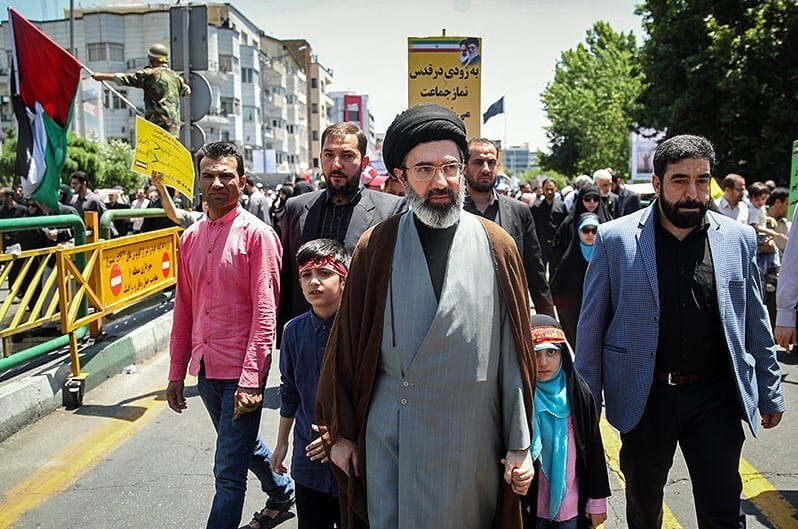
Unverified US intelligence reports are circulating this week claiming that Iran's newly appointed Supreme Leader, Mojtaba Khamenei, may be gay, in what would be a deeply ironic development for a theocratic regime that criminalises homosexuality and can impose the death penalty for it.
Khamenei was formally appointed as Iran's third Supreme Leader by the country's Assembly of Experts between 3 and 8 March 2026, following the death of his father, Ayatollah Ali Khamenei, during escalating regional hostilities involving Iran, Israel and the United States.
The claims, first reported by the New York Post citing three anonymous sources, allege that US spy agencies assessed the intelligence as credible, though officials acknowledged there is no definitive public evidence. When President Trump was briefed on the matter, he reportedly could not contain his surprise and laughed aloud, with others in the room joining in.
The story adds a further layer of complexity to an already murky picture of Iran's new leadership. US intelligence has also reported that the late Ayatollah Ali Khamenei believed his son was not qualified to succeed him, and Trump has publicly dismissed Mojtaba as a "lightweight" and an "unacceptable" choice.
When a reporter directly asked Trump on Monday whether he had been briefed on the reports of Khamenei's alleged homosexuality, he refused to answer.
The claims remain unverified, and some analysts have raised questions about the timing and purpose of the leak, suggesting it may serve political or propaganda objectives as much as intelligence ones. What is not in dispute is the profound contradiction at the heart of the story: homosexual conduct is illegal in Iran, and the government does allow surgical sex change operations, which some gay men are reportedly pressured into undergoing to avoid criminal penalties.
Support independent LGBTQ+ journalism
Scene was founded in Brighton in 1993, at a time when news stories about Pride protests were considered radical. Since then, Scene has remained proudly independent, building a platform for queer voices. Every subscription helps us to report on the stories that matter to LGBTQ+ people across the UK and beyond.
Your support funds our journalists and contributes to Pride Community Foundation’s grant-making and policy work.
Subscribe today
Comments ()