

"The intifadas were deeply traumatic for me."
A Brighton‑based Jewish LGBTQ+ community member, has shared with Scene Magazine why the language used at recent 'Palestine solidarity marches' - particularly the term“intifada” - has such a profound and painful impact.
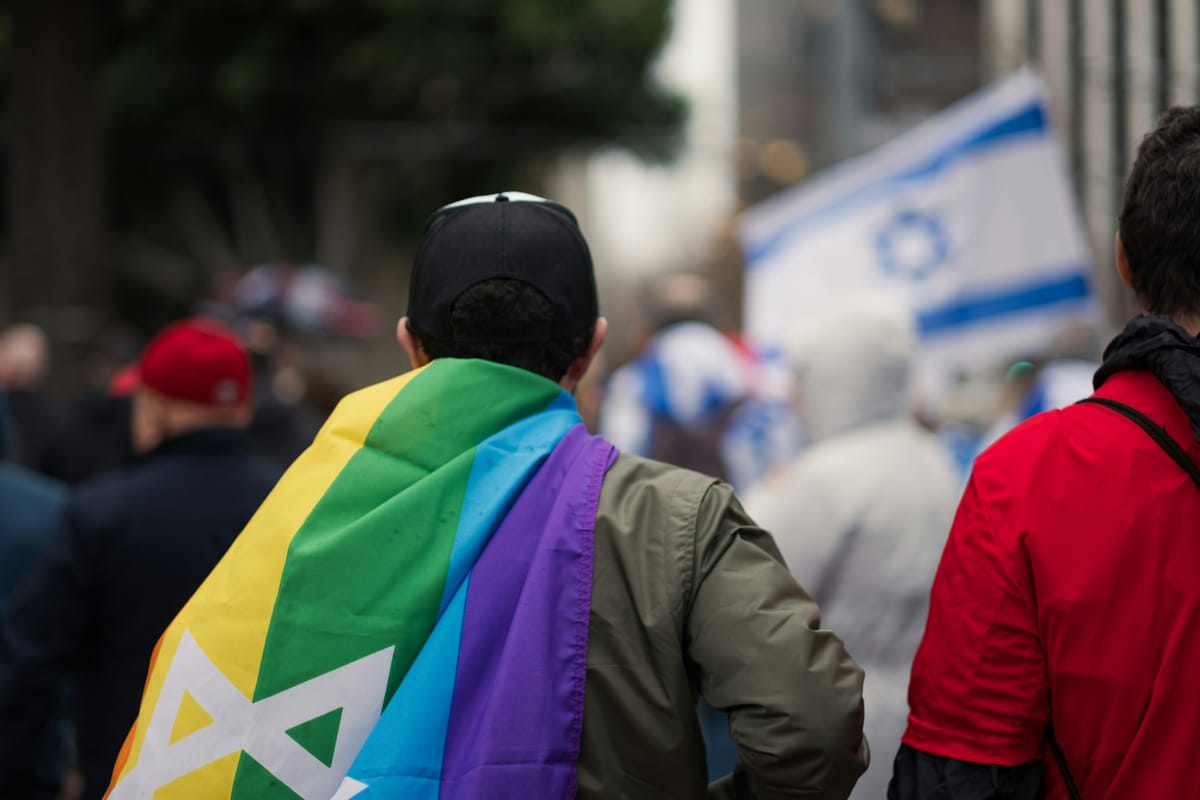
A Brighton‑based Jewish LGBTQ+ community member has shared with Scene Magazine why language used at recent 'Palestine solidarity marches' - particularly the term“intifada” - has such a profound and painful impact.
The comments were shared in response to news that Peter Tatchell, human rights and LGBTQ+ campaigner, was arrested in London after police objected to a placard he was carrying.
Tatchell’s sign read: “Globalise the intifada: Non-violent resistance. End Israel’s occupation of Gaza & West Bank”.
Tatchell has been subsequently banned from attending 'Palestine solidarity marches'.
 Graham Robson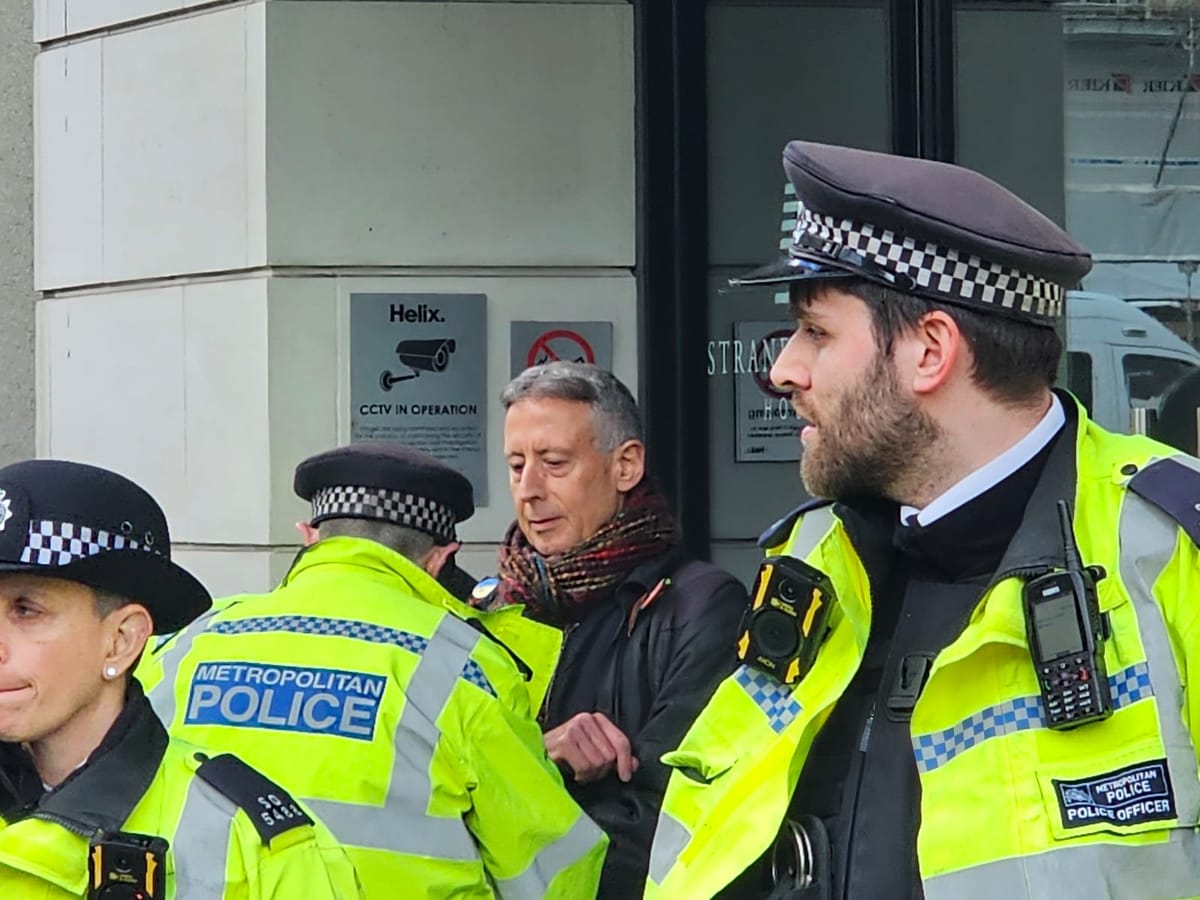
The Brighton‑based Jewish LGBTQ+ community member, whose identity we are protecting, said: “We are directly impacted by the language used at these marches. The term ‘intifada’ is a key example.
"Historically and in reality – it has always been associated with violence and civilian deaths, and that context is missing.
"As a Jewish Israeli gay person who lived in Israel for 35 years - the intifadas were deeply traumatic for me: buses were blown up, shopping centres in central Israel were bombed, and Jewish civilians were deliberately stabbed to death and targeted as a direct result of intifada propaganda.
"I'm still suffering to this day from post‑trauma due to the wars and intifada. For many of us, this phrase is inseparable from that lived reality.”
Support independent LGBTQ+ journalism
Scene was founded in Brighton in 1993, at a time when news stories about Pride protests were considered radical. Since then, Scene has remained proudly independent, building a platform for queer voices. Every subscription helps us to report on the stories that matter to LGBTQ+ people across the UK and beyond.
Your support funds our journalists and contributes to Pride Community Foundation’s grant-making and policy work.
Subscribe today
Comments ()