

Senegal parliament votes to impose harsher penalties on same-sex relations
The bill significantly escalates legal risks for queer Senegalese people, worsening an already hostile climate of persecution, public outing and arrests.
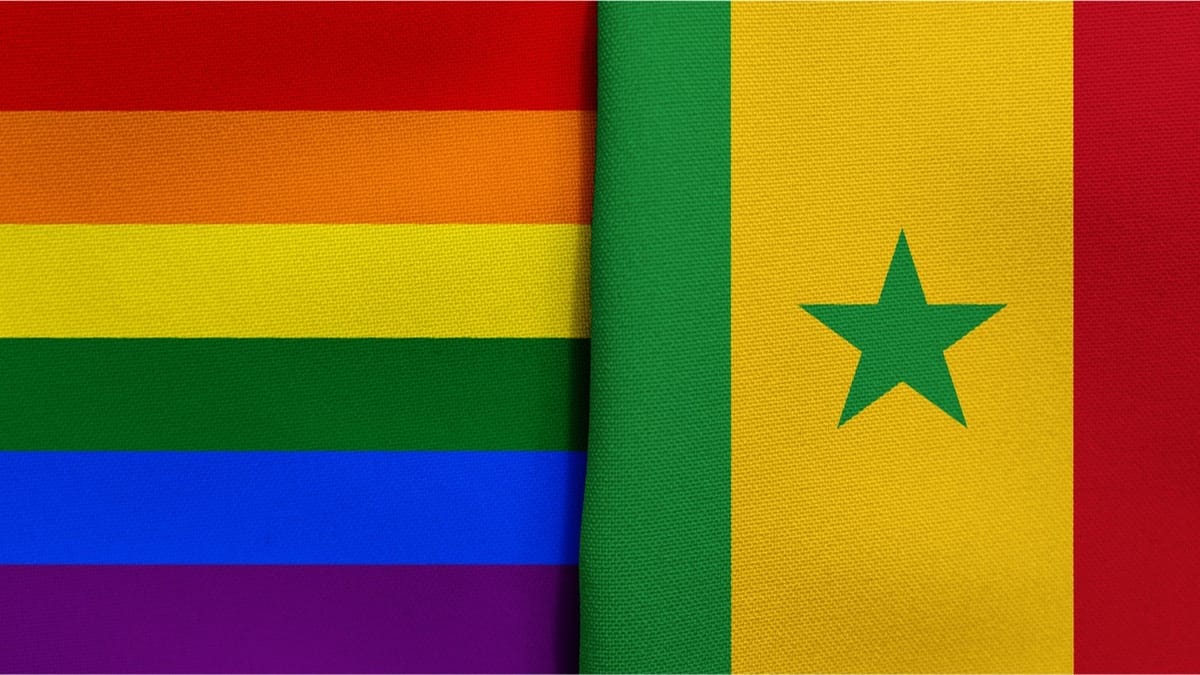
Senegal’s National Assembly has approved a dramatic expansion of the country’s criminal penalties for same‑sex relations, voting on 11 March to double the maximum prison term to 10 years. The legislation—passed by an overwhelming majority and now awaiting the signature of President Bassirou Diomaye Faye—forms part of an intensified crackdown on LGBTQ+ people in the West African nation.
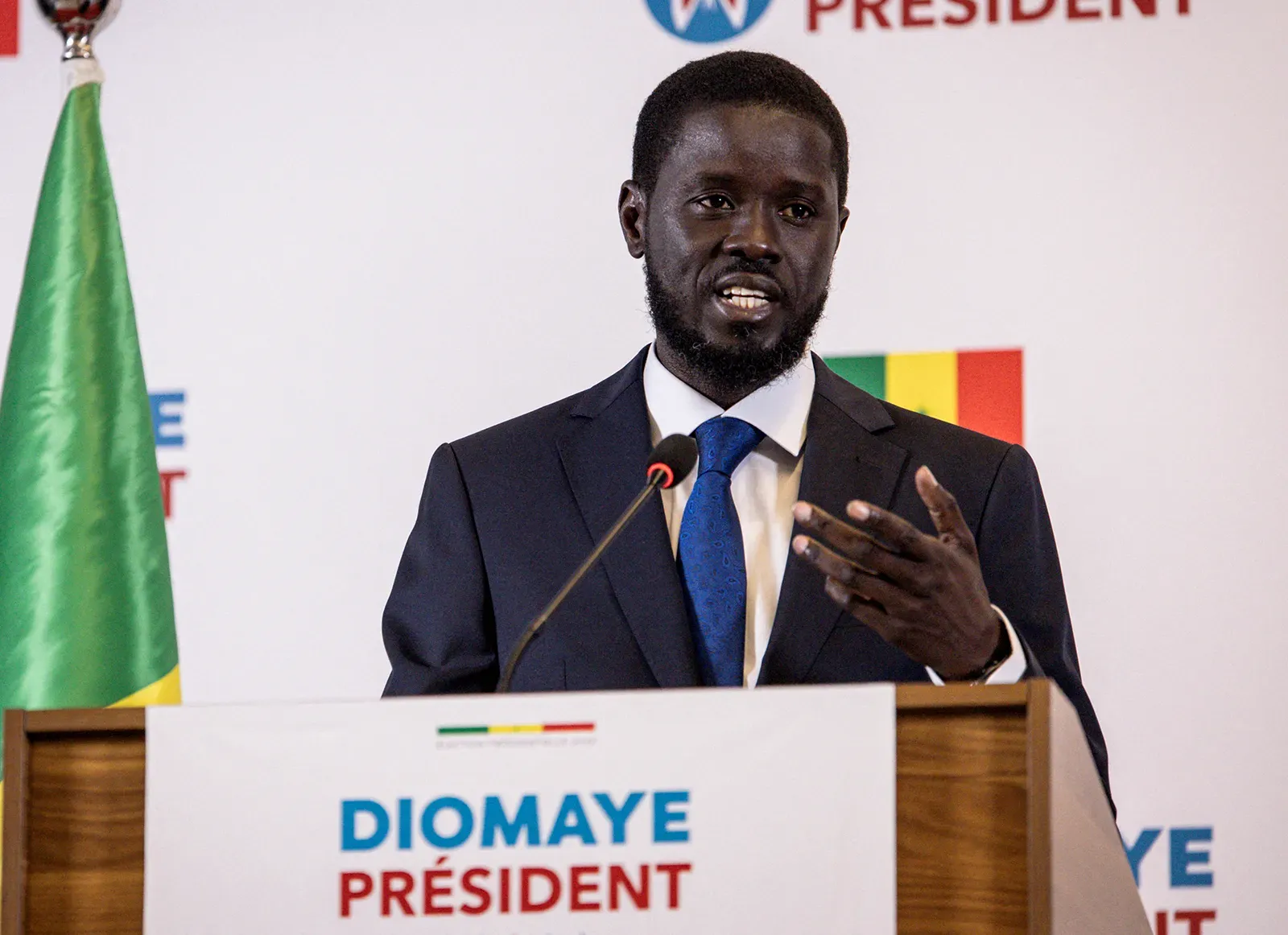
Under the bill, acts described as “against nature” are punishable by five to ten years in prison, compared with the previous one‑to‑five‑year range. Advocating for or financially supporting same‑sex relationships could carry an additional three to seven years behind bars, and anyone who accuses another person of same‑sex offences “without proof” may also face legal consequences. Lawmakers approved the measure by 135 votes to zero, with three abstentions.
During the parliamentary debate, some legislators openly celebrated the restrictions. One lawmaker, Diaraye Ba, declared that LGBTQ+ people would “no longer have freedom of expression” in Senegal, drawing applause from colleagues. The bill further allows for tougher sentences when minors are involved and significantly increases fines to as much as 10 million CFA francs.
The vote comes amid a wave of arrests reported since February, with dozens of men detained—sometimes following phone searches or unverified accusations. Media accounts describe an atmosphere of mounting fear, intensified by public naming of detainees and, in some cases, allegations of deliberate HIV transmission.
LGBTQ+ issues in Senegal have long been framed as a foreign imposition, with religious groups demanding harsher laws and political leaders, including current Prime Minister Ousmane Sonko, previously promising even stricter criminalisation. Although the new legislation maintains same‑sex relations as a misdemeanor rather than elevating them to a crime as Sonko once pledged, it substantially strengthens punishment in practice.
The bill significantly escalates legal risks for queer Senegalese people, worsening an already hostile climate of persecution, public outing and arrests.
Support independent LGBTQ+ journalism
Scene was founded in Brighton in 1993, at a time when news stories about Pride protests were considered radical. Since then, Scene has remained proudly independent, building a platform for queer voices. Every subscription helps us to report on the stories that matter to LGBTQ+ people across the UK and beyond.
Your support funds our journalists and contributes to Pride Community Foundation’s grant-making and policy work.
Subscribe today
Comments ()