

Rural Prides "help break down invisible barriers”

The chair of Pride in Gloucestershire says connecting with LGBTQ+ individuals in rural areas, such as Cheltenham, Cirencester, Cinderford and Tewkesbury, is vital to combating isolation.
Since its inception in 2006, the organisation has expanded its reach beyond Gloucester, launching events in smaller towns and villages starting in 2019. This move was inspired by locals expressing interest in hosting their own Pride celebrations.
Chair Richard Stevens explained that living outside urban centres can feel isolating for LGBTQ+ people. “In rural areas, you might feel like you’re the only one, and fear of gossip can stop you from opening up,” he said.
Stevens, who grew up in a small town, said the lack of safe spaces and community support in rural areas can lead to people “bottling things up” and feeling unable to be themselves. “In cities like Manchester, London, or even Bristol, there are more groups and places to connect. That’s not always the case in smaller communities.”
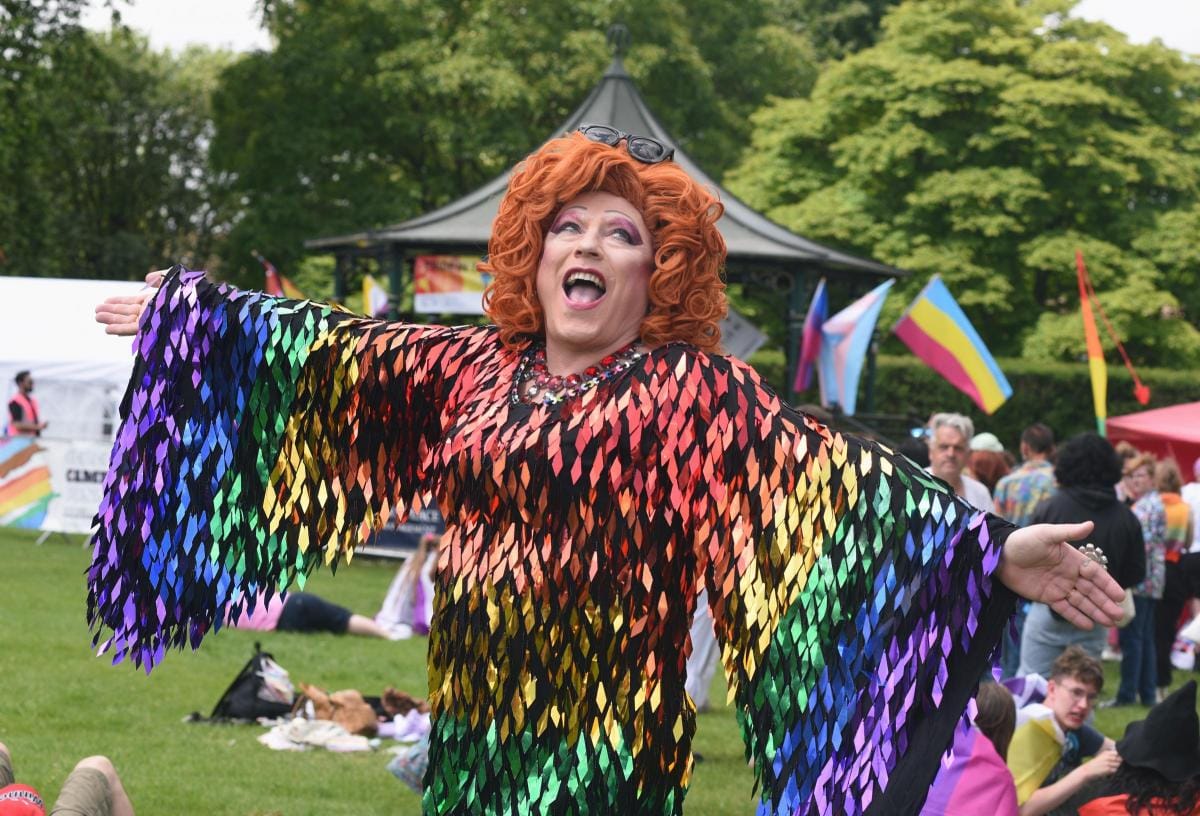
He emphasised that all Pride events in Gloucestershire are open and inclusive: “Everyone is welcome, as long as they’re respectful. These events help break down invisible barriers.”
The Gloucestershire Gay & Lesbian Community (GGLC), founded in 1974, is one of the UK’s longest-running LGBTQ+ organisations. Stevens also highlighted the region’s rich queer history, including a map created by the Gloucestershire Community Rail Partnership that traces LGBTQ+ stories back to the Middle Ages - such as King Edward II, who is buried in Gloucester Cathedral and believed to have been bisexual.
Recent Pride events in Cirencester and Cheltenham have seen strong turnouts, which Stevens called “fantastic.” The next event is scheduled for 19 July in Cinderford, with around 500 attendees expected.
“It’s great to see people showing up, supporting, and learning,” Stevens said. “All our events are free and open to everyone.”
Support independent LGBTQ+ journalism
Scene was founded in Brighton in 1993, at a time when news stories about Pride protests were considered radical. Since then, Scene has remained proudly independent, building a platform for queer voices. Every subscription helps us to report on the stories that matter to LGBTQ+ people across the UK and beyond.
Your support funds our journalists and contributes to Pride Community Foundation’s grant-making and policy work.
Subscribe today
Comments ()