

Richard's Story: Living with HIV for Three Decades
When Richard was diagnosed with HIV in the mid-1990s, doctors told him he wouldn’t see the following spring. Decades later, Richard reflects on survival, loss, and the unexpected life he’s built
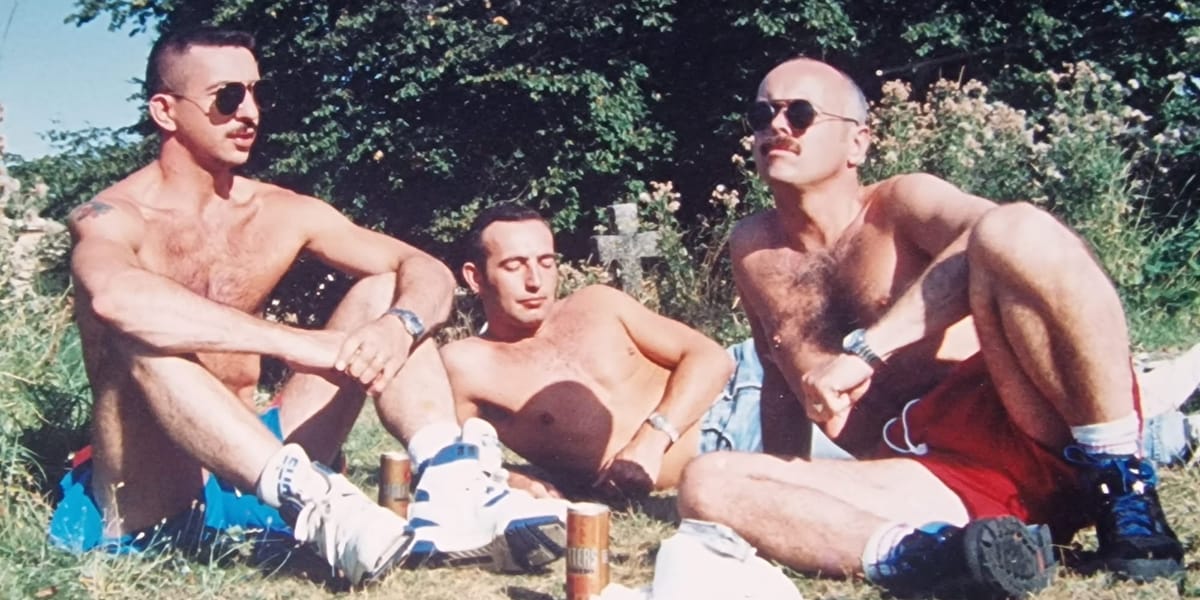
When Richard was diagnosed with HIV in the mid-1990s, doctors told him he wouldn’t see the following spring. His CD4 count was below 20, and AIDS-related illnesses had already taken hold. Today, decades later, Richard reflects on survival, loss, and the unexpected life he’s built - a story that reminds us why World AIDS Day is about both remembrance and resilience.
When you were first diagnosed, what did doctors tell you about your life expectancy?
I was working in Barnes, living in Shepperton with David, my partner of seven years. After a routine GP blood test, they called me urgently to come back for an HIV test. At Chertsey hospital they confirmed I was positive, and my CD4 count was less than 20. The consultant said I wouldn't make it long. Another told me I was unlikely to see the following spring.
I became ill with PCP—AIDS-related pneumonia. My CD4 was so low, I was on loads of medication. I actually discharged myself and went back to work as a regional manager. I was leading a team meeting when the room started spinning...
We changed our HIV care to Chelsea and Westminster. Then I got CMV—it attacked my optic nerves. Late October 1995, I was told I wouldn't make six months and that I should ‘wrap up your affairs.’
Everything was in my name. My family wasn't comfortable with my relationship with David, who wasn't unwell yet. We sold our house and were rehoused instantly by a charity for people needing terminal care. We decided to spend the money—travelled Europe, bought a classic car. I was on a drip with lines in my arm all the time. David would attach the bag of drugs to me and we'd travel with them.
I started to get better, though my sight was damaged. I feel slightly embarrassed at being alive—I'd already lost friends to HIV. David became ill and died in 1999.
What was it like watching friends disappear during the darkest days of the epidemic?
It was heartbreaking. I thought I was invincible because I was still working, dancing, going to Fist (nightclub) and also Love Muscle at Brixton . I was living hard, taking drugs, really going out, up on the podium. I don't think I was dealing with it, just coping with it. Work was demanding, distractions with other men and friends. People disappeared. It happened all the time. I lived day by day. Survivor's guilt—I feel that.
When you think about Pride marches or community events from the '80s and '90s, how many faces are still with us?
Some of my friends I've known for 50 years—most HIV negative. Some died from other causes. Some of my friends who aren't gay have been with me all the way. It's luck I've survived. I thought I would die many times as I was so unwell, but I lived. Lots of people I knew from the modelling and fashion scene, up the West End all the time—they're no longer around.
Has AIDS survivor syndrome—outliving so many others—shown up in your life?
Almost every day I feel guilt. When David died I thought my world had ended. I was lost. I moved to London. As my sight deteriorated I lost confidence going out, but would still go to Earl's Court, to places I knew in the 70s. I used to enjoy the Colherne in Earls Court. My world shrank as my vision decreased.
It's difficult. For friends, I prefer to remember them when they were... Stephen, who died, was my brother's partner. I try to remember the fun times, with love and joy, I remember them with fondness. I try not to think about how they died—I'll go down a rabbit hole and it's not helpful.
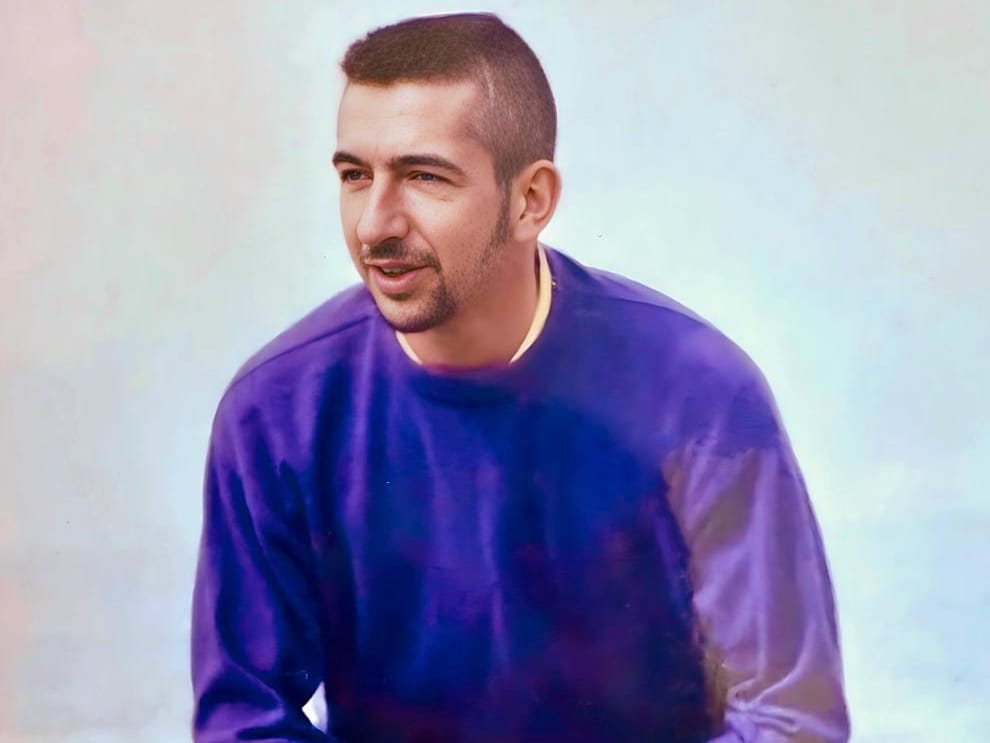
What has surprised you most about growing older as an HIV long-term survivor?
I take one tablet a day now, as opposed to thirty, which could have you crapping yourself for no reason. I used to use Chelsea and Westminster like a GP clinic—I didn't even really know who my GP was. Everything has become easier dealing with the NHS. I was getting routine testing very early on because I was positive, and I knew how to ask.
I don't feel like a pioneer. Living in Brighton, being involved with Terrence Higgins Trust, Sussex Beacon, Lunch Positive, talking to people younger than me about HIV - that's just my life.
What do you want younger people living with HIV to understand about your journey?
Younger people might want to listen, but if they don't, that's fair enough. The aspirations I had for life and happiness - HIV overtook all of them and defined me at the time. I wouldn't want HIV to define people now as it defined me and my generation. If you manage the way you live your life, it doesn't need to define you.
What do younger LGBTQ+ people need to know about what came before?
I got stigma from my own brother, who was gay and older than me but HIV negative. He was very judgemental, and his circle of gay friends were too.
Life was still difficult, during those days, not just HIV stigma. Skinheads were around, queer bashing was rife. I was brought up in Bournemouth - in my workspace you never admitted you were gay or you'd have got the sack. I remember going to work do’s and would borrow a friend's wife to take with me. The public wasn't as easy with "gayness" as they are now.
What brings you joy and purpose now - time you never thought you'd have?
I don't have the desire to travel. I'm very happy getting my mindfulness moments from the beach, listening to the skylarks up on the downs, listening to the sea. Dogs give me joy. I'm a mentor at the Beacon—I've battled with sight loss and that's hard work. I consider myself lucky. I'm surrounded by natural beauty and well cared for at home. I practice Yoga daily and approach each day with mindfulness.
While I value my connections with local and national organizations including THT—where I received excellent advice as a service user in the mid-nineties and later was trained by THT as a co-facilitator from 2010 to 2016—Lunch Positive, which is close to my heart, brings me great pleasure. Being a trustee gives me purpose—I like being able to use my skills in ways that being a practical volunteer might not allow due to my sight loss. I also volunteer and mentor at the Beacon, talking to people about how being HIV positive is impacting them. I ask "how is it for you?" I may not know the answers, but I can signpost and share contacts.
I did a counselling diploma as a result of my sight loss—I wanted to feel like I had something to give back. That gave me a great sense of achievement.
My lack of sight gives me more insight into how people are feeling from listening so intently. I hear without judgement.
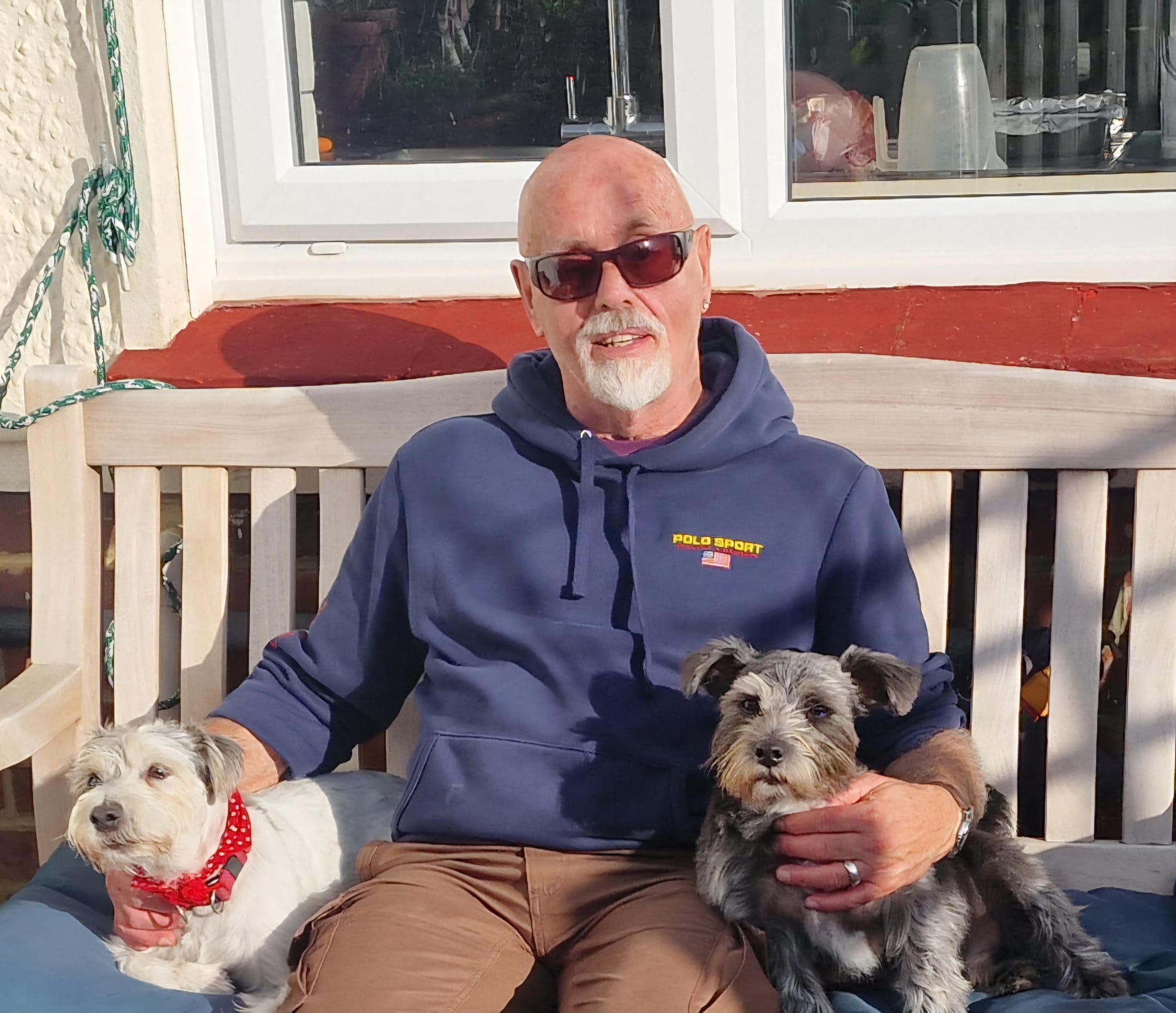
If you could send a message to your younger self receiving their diagnosis, what would you say?
I would say "take it in your stride"—which is easier said than done. ( He laughs..)
Is there anything else you'd like people to understand?
I've talked a lot about my partner David in the past. I nursed him to the end. I used my persuasive ability to ensure the end of his life was as comfortable as possible, being very pushy sometimes to get anything done. The massive amount of stress of looking after someone as they're dying is exhausting. The days are very long. If you can't cope, seek support.
What legacy do you hope to leave?
Not legacy—I just want people to remember me as a decent bloke. And that I did some small useful stuff to make the HIV community closer together and listening.
Richard’s story is about survival against all odds—and about love, loss, and rebuilding a life. On World AIDS Day, his voice reminds us that behind every statistic is a human story, and that the fight for dignity and care continues.
You can read the other interviews in this series here:
Support independent LGBTQ+ journalism
Scene was founded in Brighton in 1993, at a time when news stories about Pride protests were considered radical. Since then, Scene has remained proudly independent, building a platform for queer voices. Every subscription helps us to report on the stories that matter to LGBTQ+ people across the UK and beyond.
Your support funds our journalists and contributes to Pride Community Foundation’s grant-making and policy work.
Subscribe today

Comments ()