

REVIEW: Double Indemnity @ Theatre Royal Brighton
The raw animal magnetism that should make Walter's catastrophic decision feel inevitable remains frustratingly elusive. When the central seduction doesn't convince, the whole scheme feels less like irresistible temptation and more like a rather poor life choice.

James M. Cain's Depression-era novel, and famous noir film from Billy Wilder arrives on the Brighton stage in a production that, like its femme fatale, promises rather more than it delivers. And yet, much like being drawn into an ill-advised scheme by someone devastatingly attractive, you find yourself along for the ride anyway.
Los Angeles, the 1930s. Insurance man Walter Huff is a professional cynic, a man paid to smell a rat. Then Phyllis Nirdlinger glides into view, and every carefully cultivated instinct goes straight out the window. Together they concoct what they imagine is a flawless plan: dispose of the husband, pocket the policy, vanish into the sunset. The queer sensibility practically writes itself, two people performing one version of themselves for the world while conspiring toward something transgressive underneath.
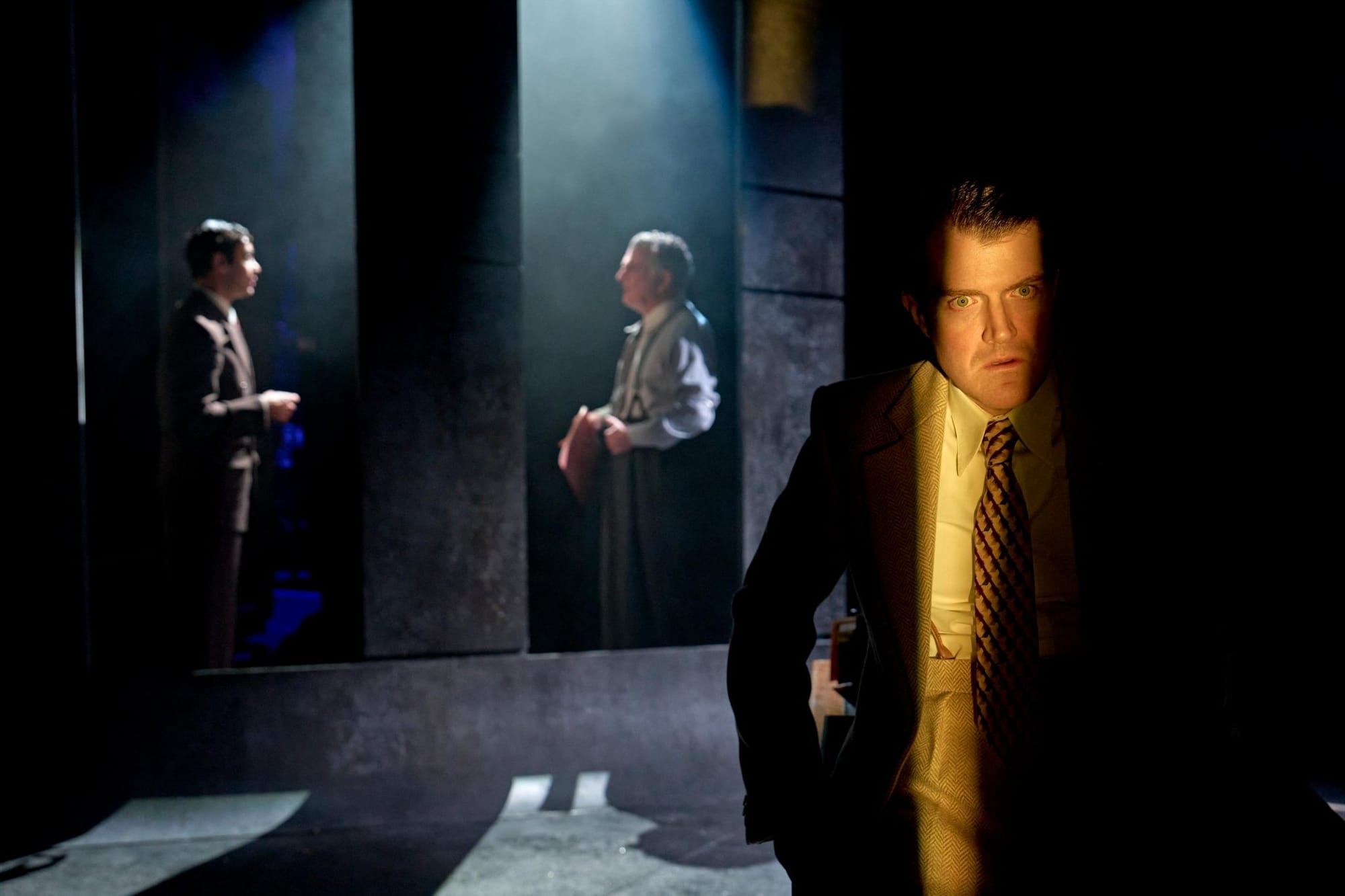
Tom Holloway's adaptation, directed by Oscar Toeman, demolishes the fourth wall entirely. Ciarán Owens as Walter addresses the audience with the directness of a confession you didn't ask to receive. We aren't merely observers, we are accomplices, sharing the moral weight of what unfolds. As Walter's perfect plan disintegrates, Owens physically embodies the unravelling; posture deflating, confidence curdling into something considerably less certain.
Ti Green's set design of galvanised steel geometry channelling Chrysler Building grandeur, lit with real flair by Joshua Gadsby is genuinely impressive. Yet for all its visual intelligence, it too often feels like a beautiful room nobody quite knows what to do with. The space promises more than the staging claims, and the ensemble of extras, deployed largely as anonymous background dressing, could have been applied to minor roles in need of more distinct characterisation.
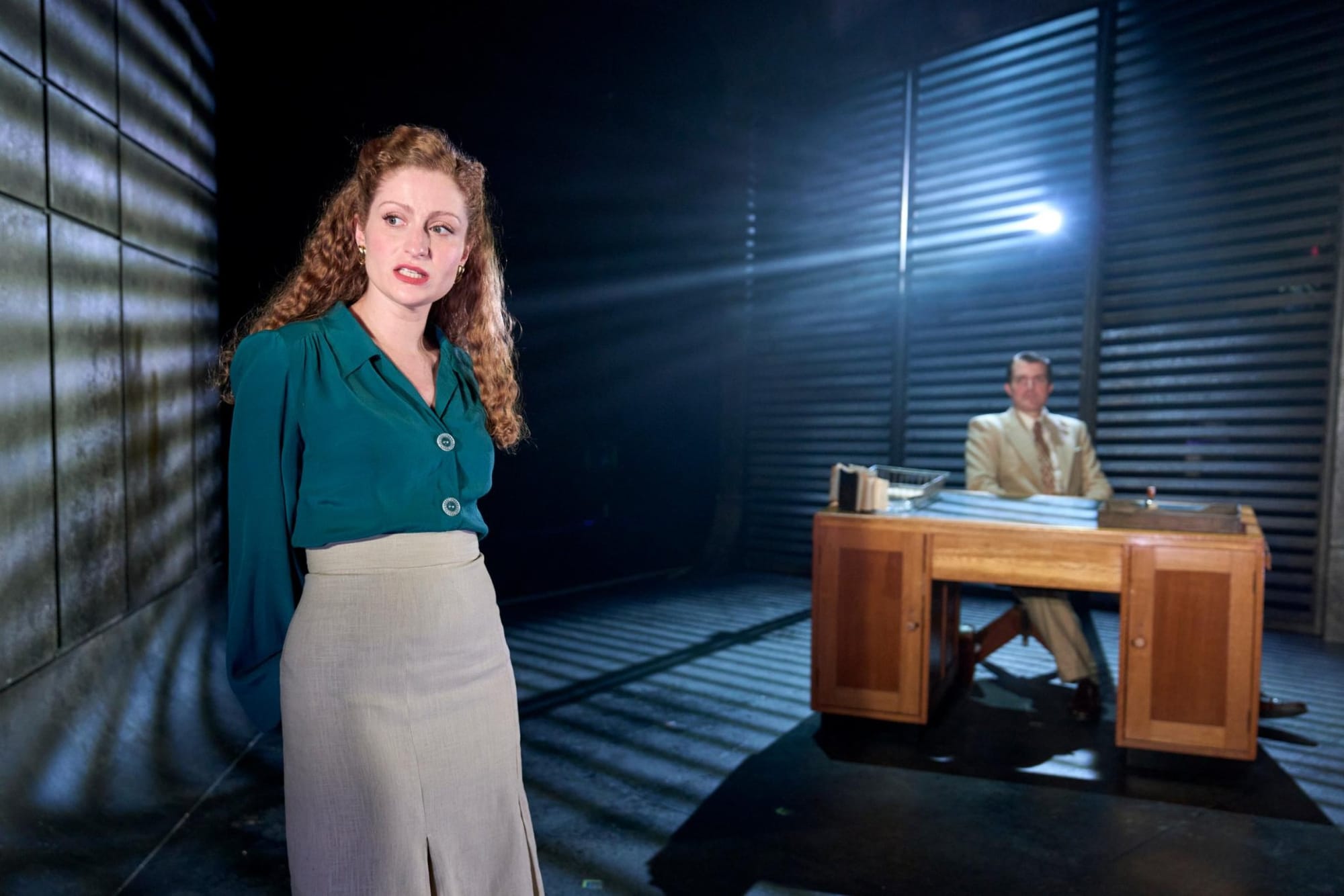
Mischa Barton makes her UK stage debut as Phyllis, but plays her with such glacial detachment that the character never quite ignites. Frost, certainly. Danger, possibly. But the raw animal magnetism that should make Walter's catastrophic decision feel inevitable remains frustratingly elusive. When the central seduction doesn't convince, the whole scheme feels less like irresistible temptation and more like a rather poor life choice.
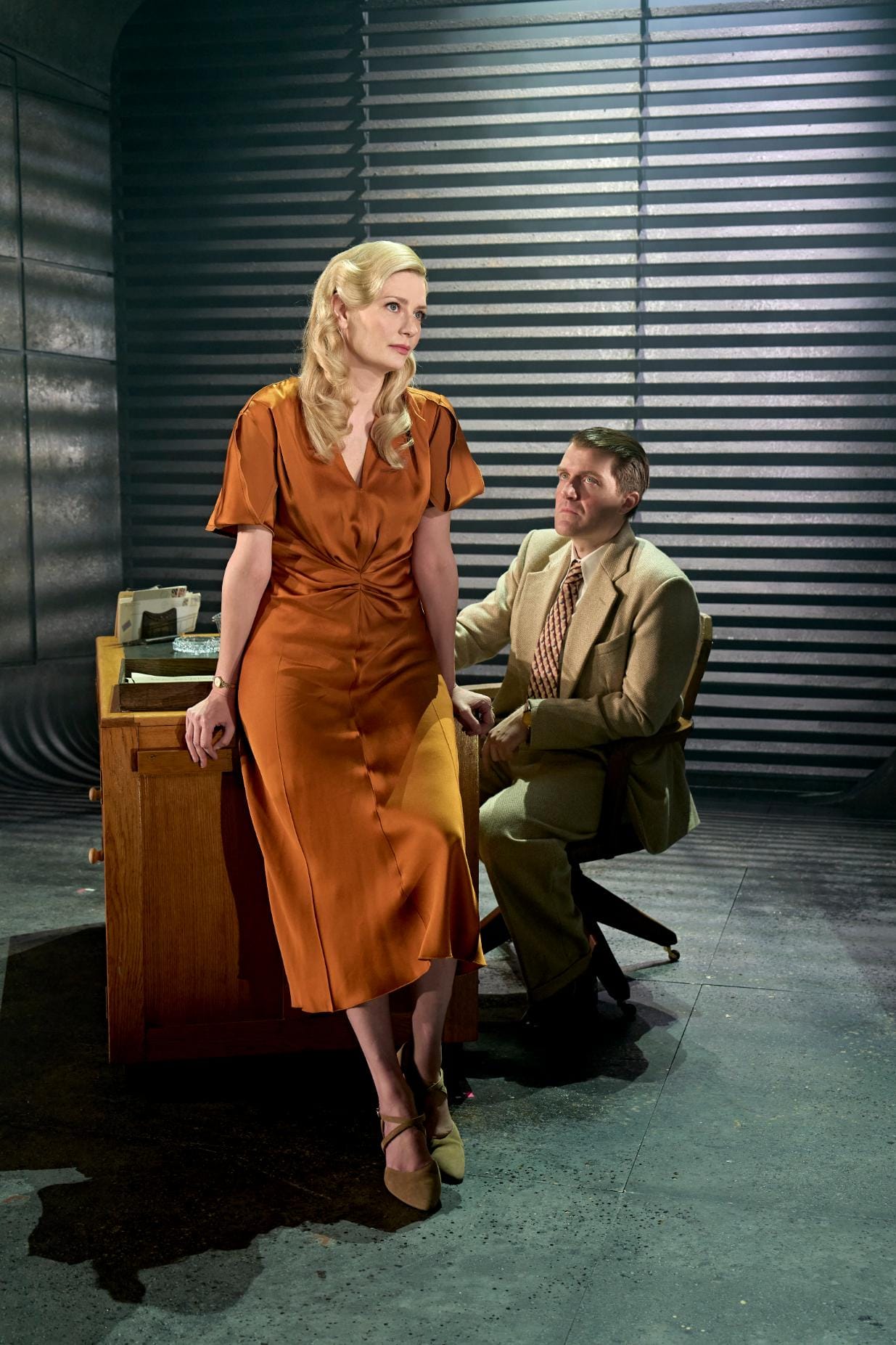
Further muddying the waters, actors rotate through multiple roles with minimal differentiation. In principle, intriguing; in practice it repeatedly wrong-footed this reviewer, puncturing the tension at precisely the moments the production needed it most.
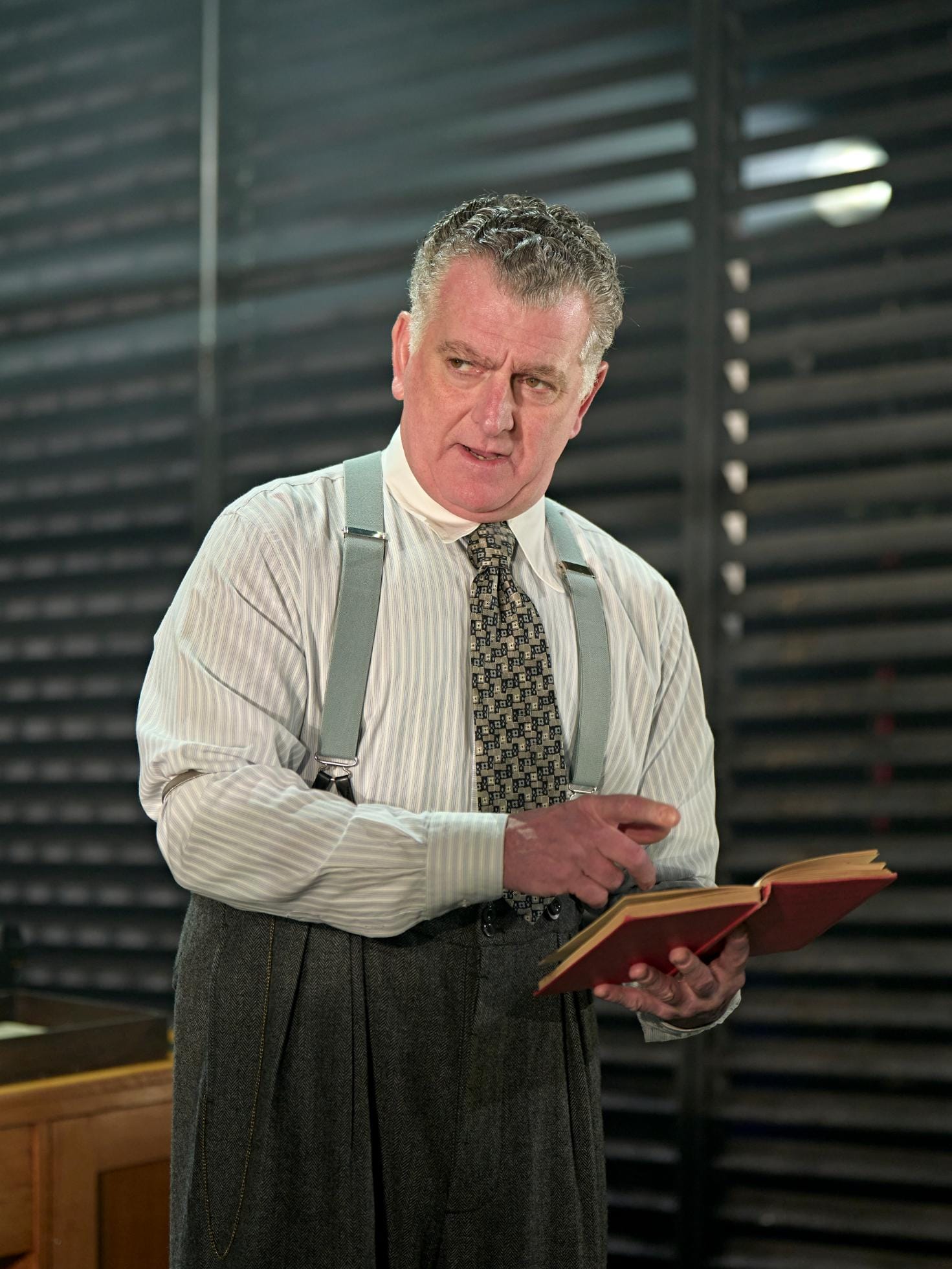
Martin Marquez as investigator Keyes provides welcome ballast — the evening's moral spine, holding the stage with quiet authority.
Noir has always understood something queer audiences know intimately: desire makes fools of us all, and the most treacherous traps are those we step into with our eyes open. This production understands that too, intellectually at least. But understanding an idea and making an audience feel it are two very different things. Interesting, certainly. Gripping, not quite.
Support independent LGBTQ+ journalism
Scene was founded in Brighton in 1993, at a time when news stories about Pride protests were considered radical. Since then, Scene has remained proudly independent, building a platform for queer voices. Every subscription helps us to report on the stories that matter to LGBTQ+ people across the UK and beyond.
Your support funds our journalists and contributes to Pride Community Foundation’s grant-making and policy work.
Subscribe today

Comments ()