

New trans inclusive ruling for students in Minnesota
A court in Minnesota, US, ruled that schools must allow trans students to use gendered facilities that they feel best aligns with their gender identity.
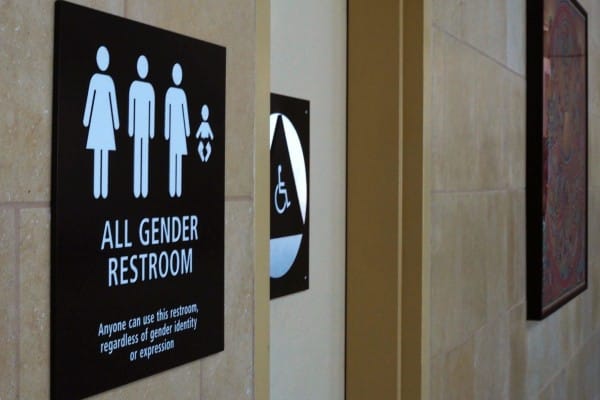
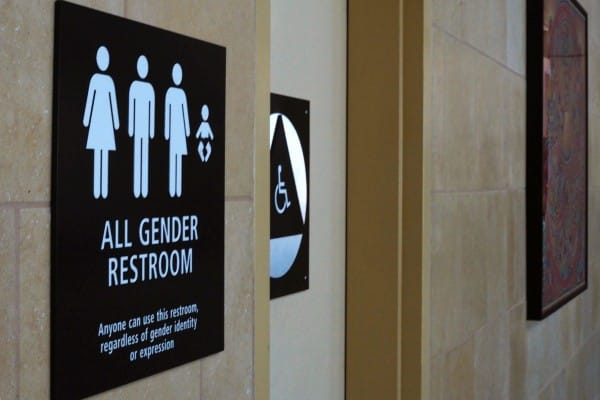
On Monday 28 September, a court in Minnesota, US, ruled that schools must allow trans students to use gendered facilities (e.g. toilets, changing rooms) that they feel best aligns with their gender identity. The ruling came after the judging panel found that a school district had discriminated against a trans student by denying them access to gender-appropriate facilities. The mother of said student publicly complained, saying her son was prohibited from using male changing rooms which she branded a ‘degrading’ form of ‘stigmatizing segregation’.
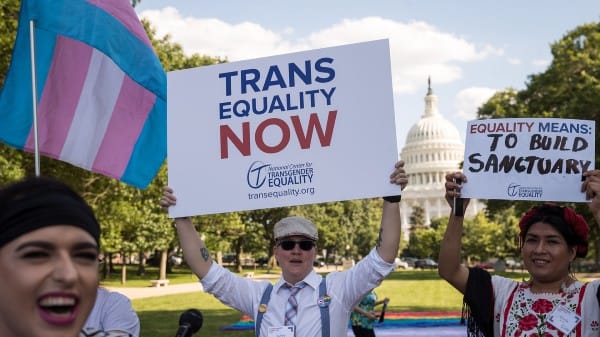
The student, who has decided to remain anonymous, said in a statement: “I never want any student to experience the discrimination and cruelty I experienced from the adults at my school. It means a lot to see that courts protect transgender students like me. The decision makes it very clear that segregating trans students doesn’t just dehumanize us, it violates our legal rights”.
The student hopes the new trans inclusive ruling will help protect trans and gender non-conforming young people in Minnesota. Many are fearful legal rulings protecting the trans community from discrimination are going to be diminished after reports emerged saying Donald Trump has chosen Amy Coney Barrett to replace Ruth Bader Ginsburg in the Supreme Court. Barrett has previously suggested trans people are not entitled to protections from gender-based discrimination.
Support independent LGBTQ+ journalism
Scene was founded in Brighton in 1993, at a time when news stories about Pride protests were considered radical. Since then, Scene has remained proudly independent, building a platform for queer voices. Every subscription helps us to report on the stories that matter to LGBTQ+ people across the UK and beyond.
Your support funds our journalists and contributes to Pride Community Foundation’s grant-making and policy work.
Subscribe today


Comments ()