

Living Beyond the Prognosis: Tony's HIV Journey
Defying the Odds
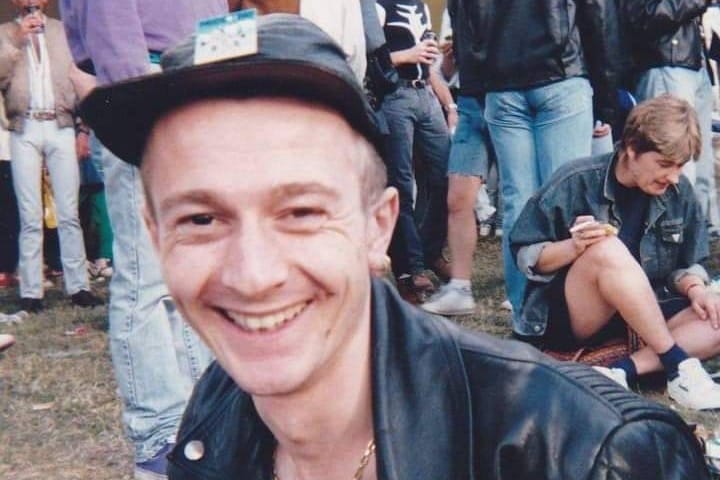
When Tony was diagnosed with HIV in 1991, his consultant told him he had three to five years to live. He didn’t expect to see his 30th birthday - yet today, at 62, he’s thriving in Brighton and giving back to the community. His story is about survival, love, and the importance of keeping memories alive, reminding us why World AIDS Day matters.
When you were diagnosed in 1991, what did doctors tell you about your life expectancy?
My consultant was straight with me – maybe three to five years, but he was straight with me telling me that it affects different people in different ways, taking into account lifestyles, general health and how people deal with their diagnosis
I wasn't shocked, my life didn't crumble. So many people I'd had sex with in the previous decade were already gone, and safe sex wasn't at the top of my list back then. I was young and fit, so I convinced myself I'd be fine.
I didn't think I'd see my 30th birthday. I'll be 63 in a few weeks. No one is more surprised than me to still be here. I went full on partying for a good 10 years and my mental health spiraled downwards, I had depression, PTSD and survivor guilt. Thankfully I was able to get good counselling through Body Positive North West. I always tell people: if I wake up in the morning, it's going to be a good day.
The Darkest Days
What was it like watching friends and lovers die while wondering if you'd be next?
I've never been hospitalised due to HIV – just little things that cleared up easily. But I've seen so many people getting really ill, some dying in my arms.
I never felt like I might be next. Instead I had survivor's guilt. Why haven't I become ill? Why am I still alive when more and more friends are dying? It was as if I had a ticket for the biggest party ever, but I was always kept at the end of the queue. I still think about the people who aren't here, but I smile about the good times and not the sadness of us not being together.
When you look at photos from the 80s and 90s, how many faces are still with us?
In 1990 I moved from London to Manchester, went for a weekend, and stayed 26 years. There was a group of 10 of us who didn't quite fit into the scene, but we made the scene fit us. I'm the only one still here.
I didn't think I'd see my 30th birthday. I'll be 63 in a few weeks.
Survival can be lonely because many friendships that would have carried on through your life were cut short. You're the only one with that memory because the other people are no longer here, the sadness of the loss lessens in most cases, replaced by memories of the good times and happiness. I still shed a tear, more often happy tears of happy times.
Carrying the Memory
How do you carry the memory of those we lost?
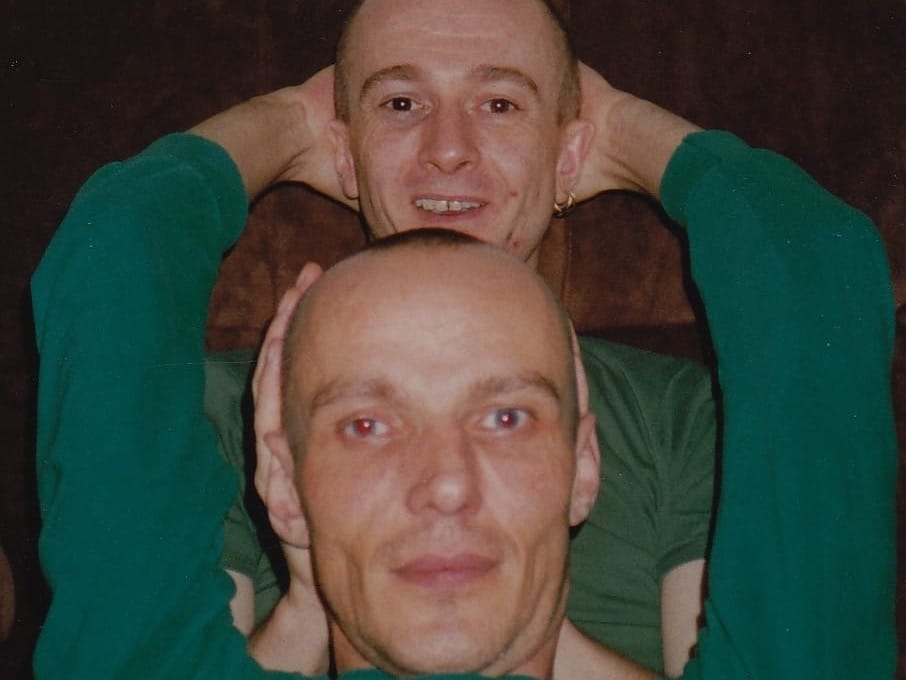
My boyfriend Smudge died in 2013. We'd been together for 22 years.
I've always talked about him as if he's still alive. Even now in Brighton, people know who Smudge is and get a flavour of what he was like. When I'm in an annoying situation, before I boil over I think what would Smudge do, and sure enough I'm soon laughing.
It's important to talk about people who have gone, keep their spirit alive and let them live on through you.
I still have survivor guilt, but here's the mad part – because I've never been really unwell with HIV, never been at death's door, I sometimes feel I've missed out on that part of the HIV journey. On the other hand, I'm extremely pleased not to have spent time in hospital.
What has surprised you most about growing older as an HIV long-term survivor?
The only thing that has really surprised me about growing older with HIV, is the fact that I am growing older with HIV. Because I have always lived in cities, the HIV services are excellent. In Brighton we have the new Lawson Unit and still many HIV services that other areas have not retained. Most of the consultants in HIV around the world seem to know each other, my consultant in Manchester trained in Brighton.
The Next Generation
What do you want younger people with HIV to understand about your journey?
Despite what the bus says, HIV is still scary for those diagnosed today. But outcomes are very different now. I don't really think they need to understand much about my journey – it's not as though I need them to be thankful I put up with terrible drug side effects.
I never want to sound like an old fart banging on about how different it was. I chat about what meds they take, ask about side effects, let them know to get them changed if they're not working.
The sadness of the loss lessens in most cases, replaced by memories of the good times and happiness.
What do younger LGBTQ+ people need to know about what came before?
Many younger people know about PrEP, but U=U isn't widely understood unless you live with HIV or work in the field. We need a widespread campaign like the tombstone adverts of the '80s. There needs to be that sort of widespread campaign around U=U.
When It's a Sin was shown on TV, I received a text from my niece saying how sorry she was for how people were treated back then. I burst into tears – not because I'd seen the programme, but that it affected someone enough to say sorry. It's not just the LGBTQ+ people that need to understand the history of our loss and struggle, the wider community could do with learning about how things were.
While people who lived through those times are still around, stories should be collected. Not many people know all about Stonewall and our fight for equality either. I'm guilty of only finding out more in recent years.
Looking Forward
What brings you joy and purpose now?
My volunteering at Lunch Positive gives me a lot of purpose and joy. I’ve lost a good friend to cancer and another has dementia, I’m still suffering from the impacts of COVID. Hopefully by the end of the year the dust of covid will settle and I can reconnect with people properly. But despite everything going on in my life, the thing that brings me the most joy is still being alive and in fairly good health. I don't need to be chasing all over the world or having loads of money to be happy. I've a roof over my head, my bills are paid, and I have good friends I can talk to and go out with.
What would you tell your younger self who first received their diagnosis?
I would tell my younger self that it will be alright. You'll get some possibly life-changing news that won't come as a great surprise and you'll take it in your stride. You'll realise you are much stronger than you think and that strength will get you through some tough times.
You will meet and fall in love with someone so opposite everything you look for in a partner, and that is what works for you both. The respect and care you have for each other and the ability to laugh will carry you through 22 years together.
You will move back south and find good friends. There will be challenges ahead, but you'll have the strength to get past them. Life will calm down, become easier, and you'll be happy.
Final thoughts?
People should cherish their friendships. If you fall out, always give people the chance to say sorry - you never know when those people may not be there.
I think the legacy of the HIV community is care. Care for yourself and those around you, without any expectations. Just be there.
Tony’s story is about resilience, love, and the power of community. On World AIDS Day, his voice reminds us that survival is not just about living longer - it’s about living with meaning, keeping memories alive, and ensuring the lessons of the past guide the future.
You can read the other interviews in this series here:
Support independent LGBTQ+ journalism
Scene was founded in Brighton in 1993, at a time when news stories about Pride protests were considered radical. Since then, Scene has remained proudly independent, building a platform for queer voices. Every subscription helps us to report on the stories that matter to LGBTQ+ people across the UK and beyond.
Your support funds our journalists and contributes to Pride Community Foundation’s grant-making and policy work.
Subscribe today

Comments ()