

LGBTQ+ ‘ally’ Beckham faces backlash for becoming ‘face of Qatar’
Football star David Beckham has faced backlash from the LGBTQ+ community after signing a deal to become the ‘face of Qatar’, where queer people are persecuted regularly.
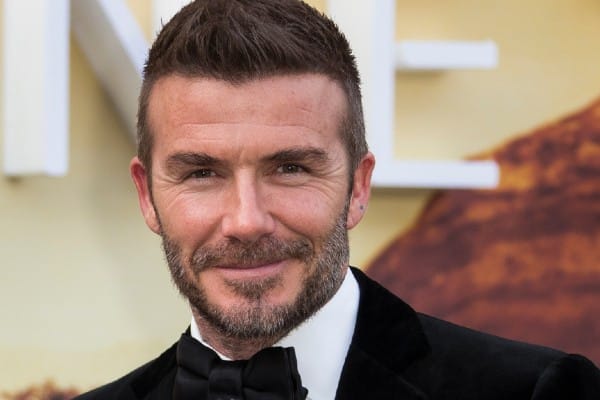
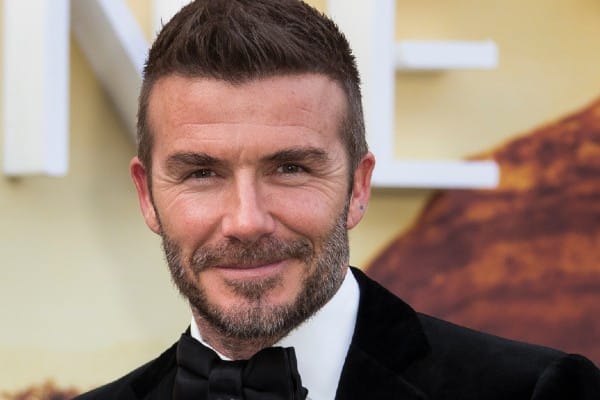
Football star David Beckham has faced backlash from the LGBTQ+ community after signing a deal to become the ‘face of Qatar’, where queer people are persecuted regularly. Beckham first shared his support for the LGBTQ+ community in 2007, telling BBC Radio 2 that he was “very honoured to have the tag of gay icon.” However, according to Metro, he recently signed a £10 mil deal with Qatar to become its ambassador in the run-up to next year’s World Cup, which is due to be held in the nation.
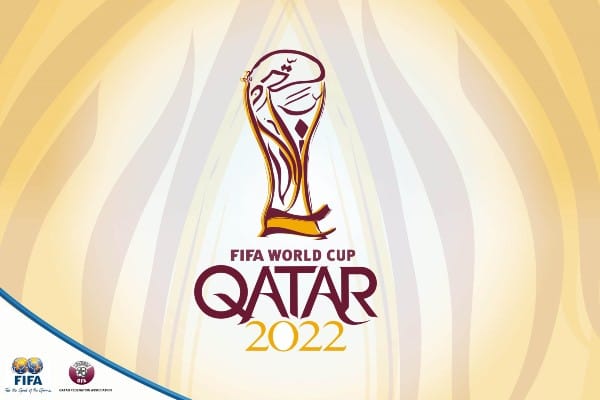
Same-sex relations are illegal in the country and punishable by up to three years’ imprisonment. The Qatari government does not recognise same-sex marriage or civil partnerships, and the country was named the second most dangerous place for LGBTQ+ people to visit in 2019. After reports of Beckham signing the deal surfaced, he has been criticised by many social media users, with one saying: “Very disappointed to hear that David Beckham has become the face of Qatar, where men can be punished with death for being gay.” Another said: “David Beckham has accepted an offer to represent Qatar for the World Cup for $10 million. Homosexuality is completely outlawed in Qatar and punishable by imprisonment and flogging.”
One Twitter user referred to Beckham’s actions as ‘disgusting’ considering how LGBTQ+ people are treated in Qatar: “This is disgusting especially when you consider being LGBTQ+ is punishable by death in the country. Look forward to Beckham’s statement on this one!” Amid the controversy, Nasser Al-Khater, the 2022 World Cup chief executive, has insisted that Qatar is LGBTQ+ friendly: “We have a country that’s conservative, however we are a welcoming country. ‘We are open and welcoming – hospitable. We understand the difference in people’s cultures. We understand the difference in people’s beliefs and so I think, again, everybody will be welcome and everybody will be treated with respect.”
Support independent LGBTQ+ journalism
Scene was founded in Brighton in 1993, at a time when news stories about Pride protests were considered radical. Since then, Scene has remained proudly independent, building a platform for queer voices. Every subscription helps us to report on the stories that matter to LGBTQ+ people across the UK and beyond.
Your support funds our journalists and contributes to Pride Community Foundation’s grant-making and policy work.
Subscribe today
Comments ()