

Labour candidates urge South East students to consider EU funding as UCAS deadline looms
Labour’s MEP candidates in the South East, are attempting to ensure that students are aware of the Erasmus scheme, which provides funding for a year at a European University or work placement abroad. UK students who sign up receive a non-repayable ‘Erasmus grant’ from the European Commission and can

Labour’s MEP candidates in the South East, are attempting to ensure that students are aware of the Erasmus scheme, which provides funding for a year at a European University or work placement abroad.
UK students who sign up receive a non-repayable ‘Erasmus grant’ from the European Commission and can have much of their UK tuition fee waived, while not having to pay fees at the foreign university where they are based.
They may also benefit from a non-repayable widening participation grant from the European Commission.
Over recent years, twice as many students from Germany, Spain and France have signed up to the scheme than those in the UK. In particular, few students from the South East have taken up the opportunities offered by Erasmus.
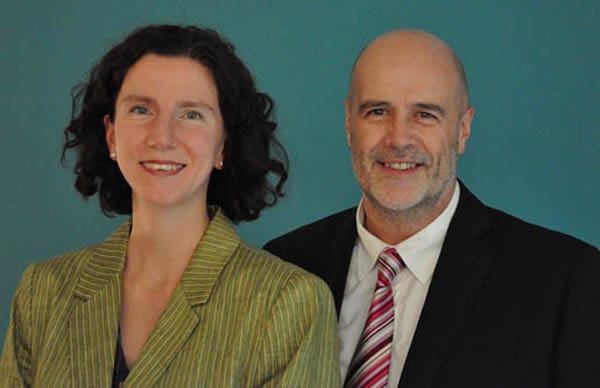
MEP candidates Anneliese Dodds and John Howarth want to ensure that all students realise the funding is available. They are also seeking to publicise the benefits available for colleges and schools.
Howarth, who visited colleges in Newbury and Basingstoke to talk about the opportunities, said: “The European Union has funds to enable colleges to run projects that build international links within the EU.
He continued: “I want colleges in South East England to take advantage of these funds, make bids and build links. As an MEP I will do whatever I can to help.”
Dodds added: “As someone who works in higher education, I know that relatively few students are aware of the Erasmus scheme and therefore are missing out on a valuable opportunity. Some may feel they can’t study abroad because they don’t speak another European language but many European universities now teach in English so this doesn’t have to be a barrier after all”.
Support independent LGBTQ+ journalism
Scene was founded in Brighton in 1993, at a time when news stories about Pride protests were considered radical. Since then, Scene has remained proudly independent, building a platform for queer voices. Every subscription helps us to report on the stories that matter to LGBTQ+ people across the UK and beyond.
Your support funds our journalists and contributes to Pride Community Foundation’s grant-making and policy work.
Subscribe today


Comments ()