

Hilary Duff reflects on her anti‑gay‑bullying public service announcement, calling its message “as vital as ever”
Hilary Duff has spoken about the enduring relevance of her iconic 2008 “That’s So Gay” anti‑bullying PSA, saying the message remains just as important in 2026.
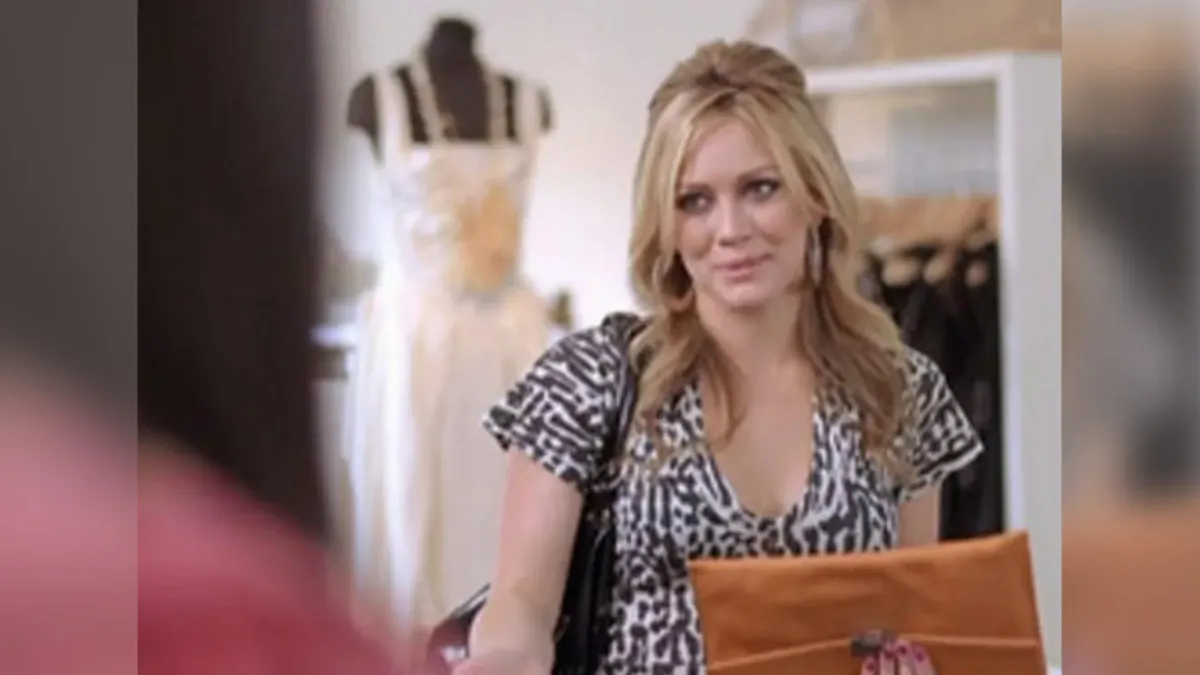
Hilary Duff has spoken about the enduring relevance of her iconic 2008 “That’s So Gay” anti‑bullying PSA, saying the message remains just as important in 2026. The actor and singer, who is currently experiencing a pop‑career resurgence, told Gay Times she immediately agreed to take part in the video because she cared deeply about challenging homophobia. She recalled young fans thanking her repeatedly for standing up for queer kids.
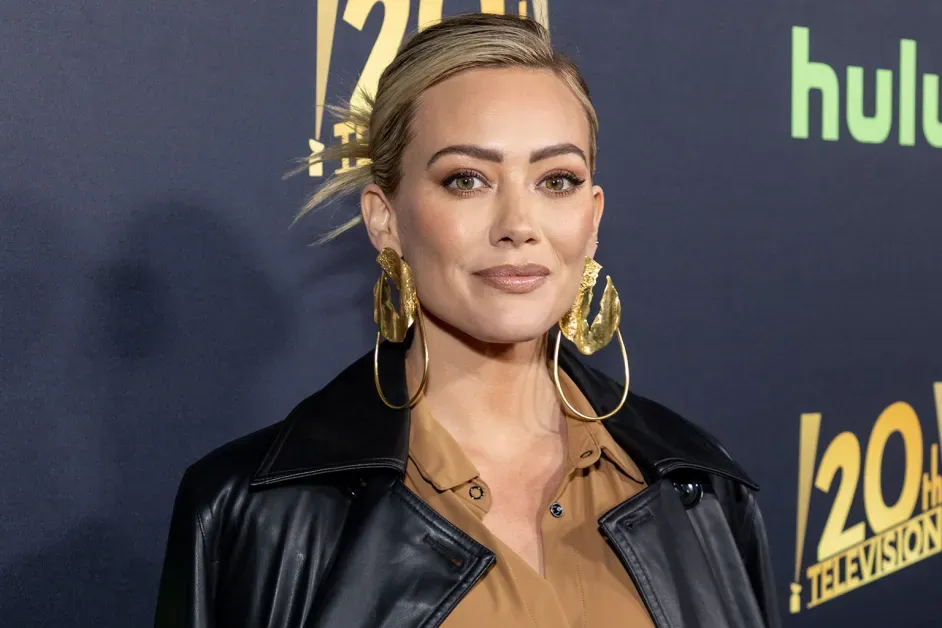
The original PSA showed Duff intervening when two teenagers used “that’s so gay” as an insult, pointing out how casually homophobic language can harm LGBTQ+ people. Looking back, she said queer youth felt “represented and stood up for,” and stressed how essential it remains for young people to “feel safe and feel seen.” She noted the clip found renewed life as social media grew, spreading its message far beyond its original release.
Duff also became emotional when discussing today’s climate for LGBTQ+ rights, saying it “makes me want to cry” that marginalisation and hostility persist. “It’s 2026, and who cares how anybody wants to be?” she said, adding she wishes more people would simply let others live freely and happily. She admitted she wouldn’t know how to update the PSA for today because she holds “too much anger” about the current backlash, emphasising that anger alone isn’t the best way to change minds.
Reflecting on her past interviews, Duff reiterated that schools should always be safe for queer youth and that casual slurs can deeply wound. She said she has many gay friends and would never want to contribute to harm, urging people to be more mindful of the language they use.
Duff’s reflections highlight how anti‑LGBTQ+ language and bullying remain pressing issues—and how pop‑culture interventions can continue to support and validate queer you
Support independent LGBTQ+ journalism
Scene was founded in Brighton in 1993, at a time when news stories about Pride protests were considered radical. Since then, Scene has remained proudly independent, building a platform for queer voices. Every subscription helps us to report on the stories that matter to LGBTQ+ people across the UK and beyond.
Your support funds our journalists and contributes to Pride Community Foundation’s grant-making and policy work.
Subscribe today
Comments ()